Korean Etiquette Guide: Essential Tips for US Travelers in 2026

Anúncios
South Korea, a nation where ancient traditions gracefully intertwine with hyper-modern innovation, offers an unparalleled travel experience. As a US traveler planning a trip to Korea in 2026, you’re likely eager to immerse yourself in its vibrant culture, savor its exquisite cuisine, and explore its breathtaking landscapes. However, to truly appreciate and respect this dynamic country, understanding and practicing proper Korean etiquette tips is paramount. Unlike some Western cultures, Korean society places a strong emphasis on hierarchy, respect for elders, and collective harmony. Navigating these cultural nuances can seem daunting at first, but with a little preparation, you can ensure your interactions are smooth, respectful, and genuinely enriching.
Anúncios
This comprehensive guide is designed specifically for US travelers, offering eight essential Korean etiquette tips that will help you seamlessly integrate into local customs and avoid unintentional faux pas. From the moment you land to your daily interactions, these insights will empower you to connect more deeply with the Korean people and their way of life. By embracing these cultural guidelines, you’ll not only enhance your own travel experience but also demonstrate a profound respect for your hosts, which is always appreciated.
Anúncios
1. Mastering the Bow and Proper Greetings: Foundation of Korean Etiquette
The bow is a cornerstone of Korean etiquette tips and is used extensively in various social situations, conveying respect, gratitude, and apology. For US travelers, understanding when and how to bow is crucial. While a deep, 90-degree bow is typically reserved for very formal occasions or when showing extreme deference (e.g., to very senior elders or dignitaries), a slight nod of the head or a shallow bow (around 15-30 degrees) is generally sufficient for most interactions with strangers, shopkeepers, or service staff. When greeting someone, especially an elder or someone of higher status, it’s customary to combine a slight bow with a verbal greeting like “Annyeonghaseyo” (안녕하세요), which means “hello.” If you’re unsure, a polite nod and a friendly “Annyeonghaseyo” will always be well-received.
Handshakes are also common, particularly in business settings or among men, but they are often accompanied by a slight bow. When shaking hands, use a firm but not overly strong grip. If you are offered a handshake by an elder, it is polite to accept it with both hands, especially if you are younger or in a less senior position. Remember, the general rule of thumb in Korea is to show respect, and the bow is your primary tool for doing so. Observing how locals greet each other will provide the best cues. Pay attention to the context: a casual meeting with a peer might involve a simple nod, while meeting your host family for the first time would warrant a more pronounced bow and a polite verbal greeting. This foundational aspect of Korean etiquette tips sets the tone for all subsequent interactions.
2. Dining Etiquette: A Guide to Korean Table Manners
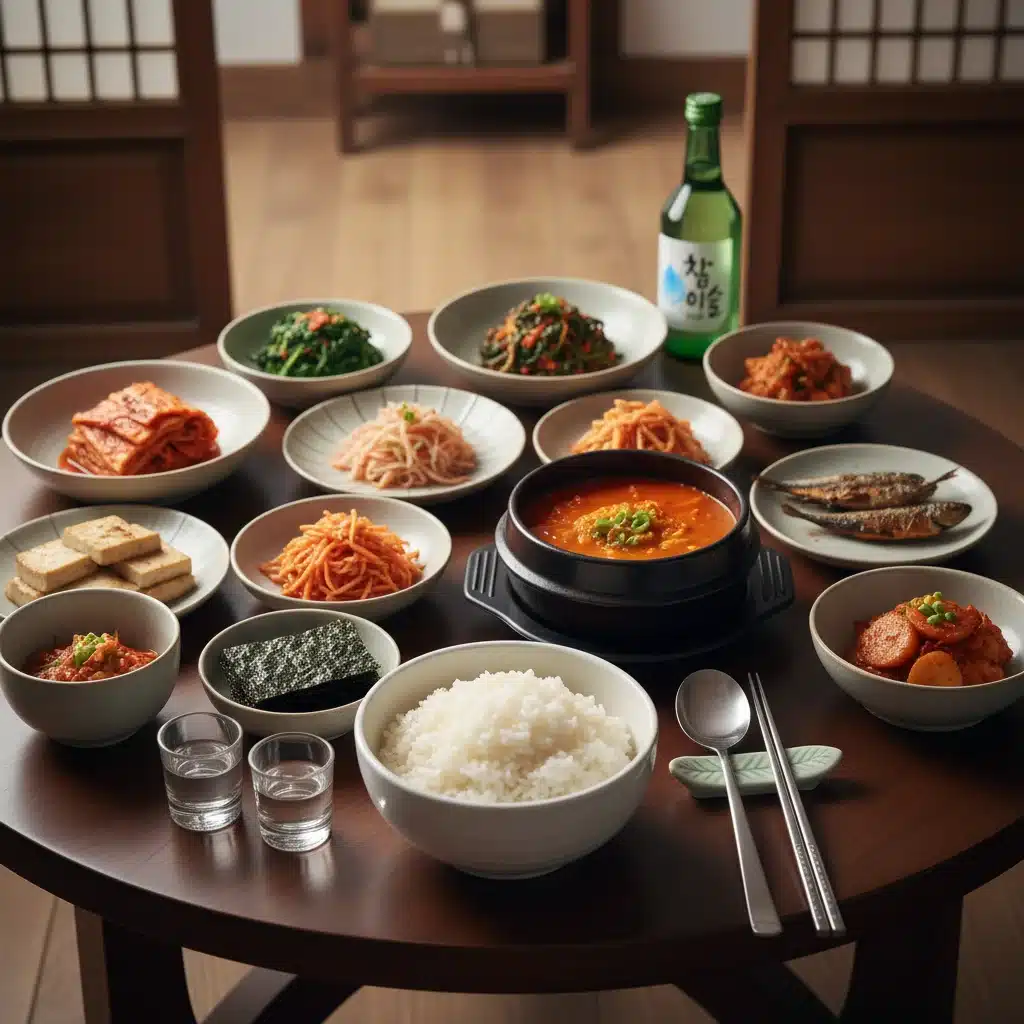
Korean dining culture is rich with traditions and specific manners that are essential for any US traveler to grasp. One of the most important Korean etiquette tips for dining is to wait for the eldest person at the table to start eating before you begin. Similarly, they should be offered the first pour of drinks. When pouring drinks, especially alcoholic beverages, always use two hands to pour for an elder or someone senior to you. If someone pours for you, it’s polite to hold your glass with two hands as they pour. When drinking, especially alcohol, it’s customary to turn your head slightly away from your elders or superiors.
Unlike some Western customs, it’s acceptable and even encouraged to pick up your rice bowl and soup bowl to eat, but never lift them above the table. However, chopsticks and spoons are the primary utensils. The metal chopsticks used in Korea can take some getting used to, but practice makes perfect. Never stick your chopsticks upright into your rice bowl, as this resembles offerings at a funeral. Also, avoid pointing with your chopsticks or making too much noise with them. You’ll notice that Koreans typically don’t cut their kimchi or other side dishes unless they are too large to eat in one bite; it’s generally done with scissors provided at the table rather than your personal utensils. Finishing all the food on your plate is a sign of appreciation, but don’t feel pressured to overeat. When dining, remember these Korean etiquette tips to show respect for your hosts and the food.
3. Public Conduct and Transportation: Respecting Shared Spaces
Public spaces in Korea are generally very clean and orderly, and maintaining this order is a key aspect of Korean etiquette tips. When using public transportation, such as the efficient subway system or buses, always offer your seat to the elderly, pregnant women, or those with disabilities. This is not just a suggestion but a deeply ingrained cultural expectation. Avoid loud conversations on your phone or with companions, as quietness is valued in public transport. Eating and drinking on public transport are also generally frowned upon, though a quick sip of water might be acceptable.
Queuing is common and expected, so always wait your turn patiently. Personal space is generally respected, but in crowded areas, you might find yourself in closer proximity to others than you’re used to. Try not to bump into people, and if you do, a quick apology is appropriate. Spitting in public is considered extremely rude. When walking, be mindful of your surroundings; Koreans tend to walk quickly, and it’s best to keep to the right side of sidewalks if possible. Littering is also highly discouraged, and you’ll find that public trash cans are less common than in some Western countries, so be prepared to carry your trash until you find an appropriate receptacle. Adhering to these public conduct Korean etiquette tips will demonstrate your respect for the community.
4. Gift-Giving and Receiving: Thoughtful Gestures
Gift-giving is an important part of Korean culture, especially when visiting someone’s home, attending a special occasion, or as a gesture of gratitude. If you are invited to a Korean home, bringing a small gift for the host family is a thoughtful gesture. Popular gifts include fruit, sweets, or a small token from your home country. When presenting a gift, use both hands, and if you are receiving a gift, accept it with both hands as well. It’s also customary to politely decline a gift once or twice before accepting it, to show humility. This is a common aspect of Korean etiquette tips that might feel counter-intuitive to some Westerners.
When opening a gift, it’s generally not done immediately in front of the giver, especially if it’s from an elder. Instead, you might open it later in private. The act of giving and receiving is more about the gesture and the thought behind it than the gift itself. Avoid giving gifts that are too expensive, as this might make the recipient feel obligated to reciprocate with a gift of similar value, which can be burdensome. Also, avoid giving sharp objects like knives or scissors, as these can symbolize cutting ties. The number four is considered unlucky, so avoid giving gifts in sets of four. Conversely, the number seven is considered lucky. Remember these Korean etiquette tips to ensure your gift-giving is appropriate and appreciated.
5. Addressing People and Titles: Showing Proper Respect
Addressing people correctly is a crucial aspect of Korean etiquette tips and reflects the hierarchical nature of Korean society. It’s generally considered impolite to address someone older or in a position of authority by their first name without their explicit permission. Instead, use their full name followed by an appropriate title, or just their title if you know it. Common titles include ssi (씨), which is similar to Mr./Ms. and can be used after a full name or a given name (e.g., Kim Min-joon-ssi, Min-joon-ssi), though it’s less formal than other titles. More formal titles include nim (님), used for professionals like teachers (seonsaeng-nim) or doctors (uisa-nim), showing high respect.
For those significantly older than you, especially strangers, you might use terms like ajumma (아줌마) for middle-aged or older women, and ajeossi (아저씨) for middle-aged or older men. However, be mindful as some people might find these terms slightly informal or prefer more specific titles. When in doubt, it’s best to err on the side of formality. In a business context, using a person’s professional title (e.g., manager, director) followed by nim is highly respectful. Understanding these nuances in addressing people is a vital part of Korean etiquette tips and will greatly aid in your interactions.

6. Business and Social Interactions: Professionalism and Deference
For US travelers engaging in business or more formal social interactions, adhering to specific Korean etiquette tips is crucial. When exchanging business cards (myeongham), always present and receive them with both hands. Take a moment to read the card you receive before carefully placing it in a card holder or on the table in front of you if you’re in a meeting. Never put it directly into your back pocket. This gesture shows respect for the person and their position. During meetings, it’s generally polite to let the most senior person lead the conversation and make decisions. Avoid interrupting and listen attentively.
Direct eye contact, while a sign of confidence in Western cultures, can sometimes be perceived as challenging or aggressive in Korea, especially when interacting with elders or superiors. A softer gaze, or occasionally looking away, is often more appropriate. Decision-making processes can be slower than in the West, as consensus and harmony within the group are highly valued. Be patient and avoid pushing for immediate answers. Building trust and rapport is often prioritized over quick transactions. Understanding these Korean etiquette tips in professional settings will foster stronger relationships and more successful outcomes.
7. Footwear Etiquette: When and Where to Remove Your Shoes
Footwear etiquette is a simple yet crucial set of Korean etiquette tips for US travelers. It is customary, and absolutely expected, to remove your shoes before entering someone’s home. You’ll often see a shoe rack or a designated area near the entrance. This practice is deeply rooted in Korean culture, symbolizing cleanliness and respect for the living space. You might also be expected to remove your shoes before entering certain traditional restaurants, temples, guesthouses (hanok), or even some businesses, particularly those with tatami or heated ondol floors.
Always look for visual cues, such as a pile of shoes at the entrance, or follow the lead of your host or others. If you’re unsure, it’s always safer to ask, “Shinbal beoseodo dwaeyo?” (신발 벗어도 돼요?), meaning “May I take off my shoes?” It’s a good idea to wear clean socks, as you’ll be walking around barefoot or in slippers provided by the host. Avoid walking around in just your bare feet, especially if you have sweaty feet. This simple act of removing your shoes is a significant sign of respect and understanding of local customs, making it one of the most practical Korean etiquette tips to remember.
8. Showing Respect to Elders: A Core Korean Value
Respect for elders (존경 – jongyeong) is perhaps the most fundamental of all Korean etiquette tips and permeates almost every aspect of daily life. This isn’t just about politeness; it’s a deeply ingrained cultural value. When interacting with someone older than you, whether it’s an elder in a family, a senior colleague, or even a stranger, there are several ways to show deference. As mentioned, bowing is key, and a deeper bow is appropriate for elders. When speaking, use honorific language (though as a foreigner, a polite tone is usually sufficient and appreciated).
When handing something to an elder or receiving something from them, always use two hands. This applies to everything from money and documents to drinks and gifts. Avoid directly looking an elder in the eye for extended periods; a softer gaze is more respectful. Do not interrupt an elder when they are speaking. If you are walking with an elder, it is polite to let them walk ahead of you, or if walking side-by-side, try to stay slightly behind them. When sitting down, especially on public transport, always offer your seat to an elder. Even small gestures of respect, like waiting for an elder to sit before you do, or letting them eat first, will be noticed and highly appreciated. Embracing these Korean etiquette tips concerning elders will significantly enhance your cultural immersion and demonstrate genuine appreciation for Korean values.
Embracing Korean Etiquette for an Unforgettable Trip
As you prepare for your exciting journey to South Korea in 2026, remember that these Korean etiquette tips are not rigid rules, but rather guidelines to help you navigate a new cultural landscape with grace and respect. Koreans are generally very understanding and forgiving of foreigners who may not be entirely familiar with their customs, especially if you show a genuine effort to learn and adapt. A sincere apology (죄송합니다 – joesonghamnida) and a polite smile can go a long way if you accidentally make a mistake.
By taking the time to understand and practice these essential Korean etiquette tips, you’re not just being a polite tourist; you’re actively engaging with and showing appreciation for a rich and ancient culture. This deeper level of engagement will undoubtedly lead to more authentic interactions, memorable experiences, and a profound respect for the Korean people. Your trip in 2026 will be all the more rewarding for it. Enjoy your travels, and may your experience in Korea be filled with wonderful discoveries and heartfelt connections!