Decoding K-Pop’s 2026 Sound: 3 Emerging Genres Dominating the Charts and How They’re Shaping the Industry
The pulsating heart of K-Pop never rests. A global phenomenon, Korean pop music is a vibrant tapestry woven with infectious melodies, intricate choreography, stunning visuals, and a relentless drive for innovation. As we inch closer to 2026, the landscape of K-Pop is once again on the cusp of a significant transformation. New sounds are bubbling to the surface, challenging existing norms, and captivating audiences worldwide. Understanding these shifts is crucial for anyone keen on the future of music, and particularly for fans and industry insiders tracking the evolution of K-Pop 2026 Genres.
Anúncios
This article aims to be your definitive guide to the sonic future of K-Pop. We will delve deep into three emerging genres that are not just gaining traction but are poised to redefine the sound and structure of the industry by 2026. From their unique characteristics to their potential impact on global charts and artist development, we’ll explore how these new sounds are shaping the next chapter of Korean pop music. Prepare to immerse yourself in the cutting edge of K-Pop’s evolution, identifying the trends that will soon become mainstream and understanding the forces driving this exciting musical frontier.
Anúncios
The Ever-Evolving Soundscape of K-Pop
K-Pop’s history is a testament to its adaptability and willingness to experiment. From its early roots in trot and ballad, through the revolutionary sounds of Seo Taiji and Boys, to the global domination of groups like BTS and BLACKPINK, K-Pop has consistently absorbed influences from across the musical spectrum. Hip-hop, R&B, EDM, rock, and even classical elements have all found a home within the genre, creating a rich, hybrid sound that defies easy categorization. This constant evolution is precisely what keeps K-Pop fresh, exciting, and globally competitive. The industry’s rapid response to global music trends, coupled with its unique ability to fuse diverse elements into a cohesive and appealing package, ensures its continued relevance. This dynamic environment is fertile ground for new K-Pop 2026 Genres to emerge and flourish.
The driving force behind this perpetual innovation is multi-faceted. Firstly, the highly competitive nature of the K-Pop industry itself pushes agencies and artists to constantly seek out new sounds and concepts to stand out. Secondly, the increasing globalization of K-Pop means artists are exposed to a wider array of international influences, which they then integrate into their music. Thirdly, technological advancements in music production make it easier to blend and manipulate sounds, fostering a spirit of experimentation. Finally, a highly engaged and discerning global fanbase actively seeks out novelty, rewarding artists who dare to push boundaries. These factors collectively create an environment ripe for the birth and proliferation of new musical styles, directly influencing the K-Pop 2026 Genres we’ll discuss.
Emerging Genre 1: Neo-Synthwave K-Pop
Characteristics and Appeal
One of the most exciting K-Pop 2026 Genres on the horizon is Neo-Synthwave K-Pop. This genre is a captivating blend of 1980s synthwave aesthetics with modern K-Pop production techniques and lyrical themes. Think pulsating analog synthesizers, driving drum machine rhythms, ethereal vocal harmonies, and a distinct retro-futuristic vibe. Unlike traditional synthwave, Neo-Synthwave K-Pop often incorporates sharper, more intricate vocal arrangements, contemporary trap or hip-hop drum patterns, and a broader dynamic range. The appeal lies in its nostalgic yet fresh sound, evoking a sense of dreamy escapism while maintaining K-Pop’s signature polish and intensity.
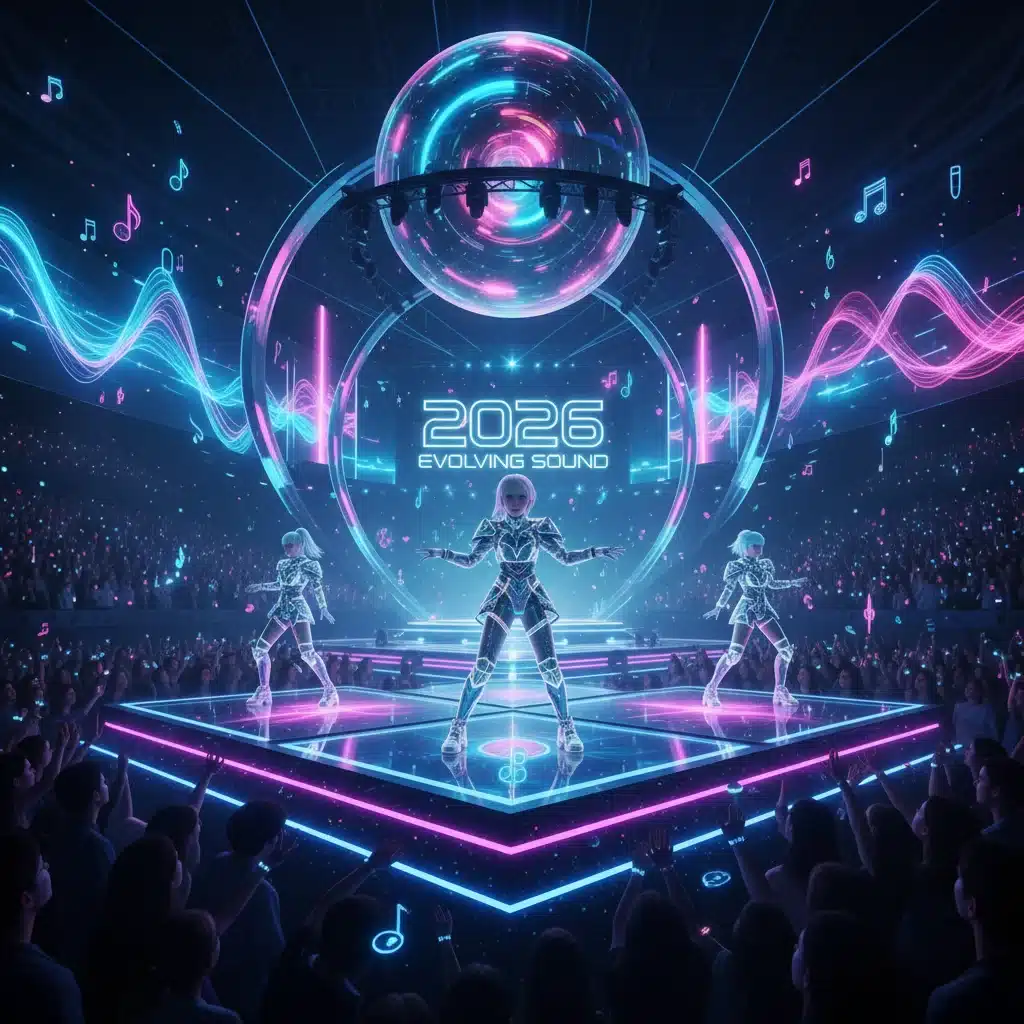
Visually, Neo-Synthwave K-Pop often features neon-drenched cityscapes, retro-cyberpunk aesthetics, and fashion inspired by the 80s but with a modern, edgy twist. The choreography might incorporate fluid, almost robotic movements reminiscent of early electronic dance styles, but executed with K-Pop’s characteristic precision and power. Lyrically, themes often revolve around introspection, longing, urban alienation, and a search for connection in a technologically advanced world. This genre offers a refreshing contrast to the often high-energy, aggressive sounds prevalent in some current K-Pop, providing a more atmospheric and emotionally resonant experience for listeners. The meticulous attention to detail in both audio and visual production makes Neo-Synthwave K-Pop a compelling contender for widespread popularity.
Early Adopters and Potential Impact
Several smaller agencies and independent artists have already begun experimenting with Neo-Synthwave elements, often in B-sides or concept tracks. We’re seeing glimpses of this sound in certain idol group comebacks that lean into retro concepts, but a full-fledged embrace as a dominant genre is still unfolding. By 2026, we anticipate major labels to fully invest in this sound, crafting entire albums and group concepts around its unique aesthetic. The potential impact is significant: Neo-Synthwave K-Pop could attract a new demographic of listeners who appreciate both retro sounds and modern pop, potentially bridging the gap between niche electronic music fans and mainstream pop audiences. Its versatility allows for both upbeat dance tracks and more melancholic, introspective pieces, offering a wide range of emotional expression. This genre is set to add a unique flavor to the overall K-Pop 2026 Genres landscape.
Furthermore, the visual storytelling potential of Neo-Synthwave is immense. Music videos could become even more cinematic, drawing heavily from sci-fi and 80s film noir, creating immersive narratives that enhance the musical experience. This could lead to a resurgence of concept-driven comebacks, where every aspect – from music to styling to narrative – is meticulously crafted to fit the Neo-Synthwave theme. The genre’s ability to create a distinct mood and atmosphere will likely resonate deeply with fans, fostering a strong sense of community around groups that champion this sound. It’s not just a musical shift; it’s a cultural aesthetic shift that will influence fashion, art, and visual media within the K-Pop sphere.
Emerging Genre 2: Global Fusion Folk K-Pop
Characteristics and Appeal
The second dominant trend among K-Pop 2026 Genres is Global Fusion Folk K-Pop. This genre represents a conscious effort to integrate traditional Korean folk instruments and melodies with diverse global folk sounds, all filtered through a modern K-Pop lens. Imagine the soulful strains of a gayageum (Korean zither) intertwining with a Latin American charango, or a pansori-inspired vocal technique layered over an African drum rhythm and a contemporary pop beat. The characteristic appeal lies in its rich sonic texture, cultural depth, and a sense of global connectivity. It’s a celebration of heritage and diversity, moving beyond purely Western influences to explore a truly global tapestry of sound.
This genre moves beyond simply sampling traditional sounds; it involves a deeper understanding and integration of folk musical structures and storytelling. Lyrically, it often explores themes of identity, ancestral wisdom, nature, and universal human experiences, often incorporating traditional poetic forms or narratives. The instrumentation is key, featuring not only Korean traditional instruments like the daegeum (bamboo flute) and janggu (hourglass drum) but also instruments from other cultures, creating a truly unique and harmonious blend. This approach offers a powerful counter-narrative to the often-homogenized sound of global pop, providing listeners with something authentically rooted yet universally appealing. It’s a sophisticated evolution, moving beyond superficial appropriation to genuine cultural synthesis.

Early Adopters and Potential Impact
While some K-Pop acts have dabbled in traditional Korean elements (e.g., BLACKPINK’s ‘How You Like That’ or BTS’s ‘Idol’), Global Fusion Folk K-Pop pushes this concept further by embracing a broader global palette. We’ve seen independent artists and experimental groups already producing tracks that hint at this direction, particularly those focused on cultural exchange. By 2026, we expect to see established groups and soloists fully embracing this genre, not just for special stages but as a core part of their musical identity. The impact could be profound: it could further solidify K-Pop’s reputation as a cultural ambassador, showcasing the richness of Korean heritage while also celebrating global diversity. This genre has the potential to appeal to a wider range of global audiences, particularly those who appreciate world music and culturally rich storytelling. It will significantly diversify the sound profile of K-Pop 2026 Genres.
Moreover, Global Fusion Folk K-Pop could open up new avenues for collaboration with international folk musicians and artists, fostering cross-cultural creative partnerships. This could lead to innovative live performances, documentaries, and even educational initiatives that highlight the origins and significance of the instruments and musical traditions being used. The genre’s emphasis on storytelling and cultural roots could also resonate deeply with younger generations seeking to connect with their heritage or explore global cultures. This isn’t just about music; it’s about cultural dialogue and the creation of a truly global sound that transcends geographical boundaries, making it a powerful force in the future of K-Pop.
Emerging Genre 3: Hyper-Pop R&B K-Pop
Characteristics and Appeal
The third significant development among K-Pop 2026 Genres is Hyper-Pop R&B K-Pop. This genre is a high-octane fusion of the experimental, glitchy, and often abrasive sounds of hyper-pop with the smooth, melodic, and vocal-centric foundations of R&B. Picture intensely processed vocals, rapid-fire beat switches, distorted synths, and unexpected sound effects characteristic of hyper-pop, all underpinned by the soulful harmonies, intricate runs, and expressive storytelling of contemporary R&B. The appeal lies in its audacious maximalism and emotional intensity, offering a sound that is both jarringly innovative and deeply emotive.
Hyper-Pop R&B K-Pop is characterized by its dynamic contrasts: moments of sugary sweetness can quickly shift to glitchy breakdowns, and soaring R&B melodies can be punctuated by autotuned vocal acrobatics. The production is often dense and layered, designed to overwhelm the senses in the best possible way. Lyrically, it often tackles themes of modern love, digital existence, anxiety, and self-discovery, frequently employing internet slang and a raw, unfiltered emotional honesty. This genre pushes the boundaries of sonic comfort, challenging listeners with its unconventional structures and experimental sound design, yet it retains the undeniable catchiness and vocal prowess that are hallmarks of K-Pop. It’s a genre that demands attention and rewards repeated listens, revealing new layers with each engagement.
Early Adopters and Potential Impact
The hyper-pop influence has already begun to seep into K-Pop, particularly through the works of more experimental producers and artists who are active in the underground scene or produce B-sides that deviate from mainstream sounds. We’ve seen hints of vocal processing and beat manipulation that align with hyper-pop aesthetics in certain idol group tracks, though often toned down for broader appeal. By 2026, we expect to see entire groups and solo artists fully committing to the Hyper-Pop R&B sound, creating a distinct niche within the K-Pop landscape. The potential impact is to inject a new level of experimentalism and edge into mainstream K-Pop, appealing to younger, digitally native audiences who are already familiar with hyper-pop’s avant-garde sound. This genre will further diversify the sonic palette of K-Pop 2026 Genres.
This genre could also lead to a new wave of innovative performance styles, incorporating augmented reality, interactive visuals, and unconventional stage designs that mirror the music’s chaotic yet captivating nature. The focus on vocal experimentation could push K-Pop vocalists to explore new techniques and expressiveness, further elevating their artistry. While it might initially be perceived as polarizing, its raw energy and emotional depth are likely to resonate strongly with a segment of the audience seeking something truly fresh and challenging. Hyper-Pop R&B K-Pop is not just a trend; it’s a statement about the future of pop music, where boundaries are blurred and creativity knows no limits.
How These Genres Are Shaping the K-Pop Industry
The emergence of these three distinct K-Pop 2026 Genres – Neo-Synthwave K-Pop, Global Fusion Folk K-Pop, and Hyper-Pop R&B K-Pop – is not merely about new sounds; it’s about a fundamental reshaping of the K-Pop industry itself. This evolution impacts everything from artist training and development to marketing strategies and global outreach. Agencies will need to adapt their scouting processes to identify trainees with the vocal and performance capabilities suited for these diverse styles. For instance, Global Fusion Folk K-Pop might require artists with proficiency in traditional instruments or vocal techniques, while Hyper-Pop R&B K-Pop demands a willingness to experiment with vocal processing and unconventional delivery.
Furthermore, the production landscape will undergo significant changes. Producers will need to expand their sonic toolkits, mastering new synthesis techniques for Neo-Synthwave, integrating world instruments and folk arrangements for Global Fusion Folk, and pushing the limits of digital audio manipulation for Hyper-Pop R&B. This will foster a new generation of specialized K-Pop producers and sound engineers, driving further innovation within the industry. The demand for diverse musical expertise will likely lead to more international collaborations behind the scenes, bringing fresh perspectives and techniques to Korean studios. This collaborative spirit is essential for the continued global success of K-Pop and the development of rich K-Pop 2026 Genres.
Impact on Artist Development and Training
The rigorous training system of K-Pop will inevitably adapt to these emerging genres. Trainees might receive specialized instruction in traditional Korean music or world music theory to prepare for Global Fusion Folk K-Pop. Vocal coaches might focus on techniques suitable for the ethereal harmonies of Neo-Synthwave or the aggressive processing of Hyper-Pop R&B. Performance training will also evolve, with choreographers developing styles that complement the retro-futuristic vibes of synthwave or the dynamic contrasts of hyper-pop. This diversification of training will create more versatile artists, capable of tackling a broader range of musical styles and concepts. It also means that agencies might scout for a wider array of talents, looking beyond traditional idol archetypes to find individuals who can authentically embody these new sounds.
The emphasis on authenticity will also grow. As K-Pop continues to globalize, audiences are increasingly discerning and appreciate artists who genuinely connect with the music they perform. For Global Fusion Folk K-Pop, this might mean artists with a deeper understanding and appreciation for cultural heritage. For Hyper-Pop R&B, it could involve artists who are not afraid to express vulnerability or experiment with their image. This focus on individual artistic expression, while still maintaining the group dynamic, will be a key factor in the success of these new K-Pop 2026 Genres. The industry will move towards nurturing artists who are not just performers but also genuine creative forces, contributing to the songwriting and production processes.
Marketing and Global Outreach Strategies
Marketing these new K-Pop 2026 Genres will require nuanced strategies. Neo-Synthwave K-Pop could leverage nostalgia marketing, targeting audiences who appreciate 80s aesthetics and electronic music. Its visual appeal lends itself well to cinematic music videos and concept photos that create a distinct world for fans to immerse themselves in. Global Fusion Folk K-Pop, with its rich cultural tapestry, can be marketed through educational content, collaborations with cultural institutions, and outreach to world music festivals. Its ability to tell universal stories through diverse sounds will be a strong selling point for global audiences seeking more meaningful artistic experiences.
Hyper-Pop R&B K-Pop, being more experimental, will likely thrive on digital platforms and through viral marketing campaigns that highlight its edgy, unconventional nature. Targeting younger, internet-savvy demographics will be key, utilizing platforms like TikTok and Instagram to showcase its unique sound and visual aesthetics. Interactive fan engagement, such as AR filters or challenges built around its glitchy sounds, could also be effective. Each genre presents unique opportunities for storytelling and audience connection, allowing K-Pop agencies to diversify their marketing approaches and reach new segments of the global market. The strategic deployment of these diverse genres will ensure K-Pop’s continued dominance and expansion into new territories.
Evolution of Fan Engagement and Consumption
The emergence of these new K-Pop 2026 Genres will also profoundly impact how fans engage with and consume K-Pop. With Neo-Synthwave K-Pop, fans might find themselves drawn to the intricate lore and visual world-building associated with the retro-futuristic concepts, leading to deeper fan theories and discussions. The aesthetic could inspire fan art, fan fiction, and cosplay, creating a rich subculture around the genre. For Global Fusion Folk K-Pop, fan engagement might shift towards cultural appreciation and education, with fans actively seeking to learn about the origins of the traditional instruments and musical styles incorporated into the music. This could foster a more intellectually curious fanbase, eager to explore the cultural roots of their favorite artists’ sound.
Hyper-Pop R&B K-Pop, with its experimental and often chaotic nature, could foster a highly active and vocal online community. Fans might engage in discussions about the innovative production techniques, the meaning behind the abstract lyrics, or the daring visual concepts. The genre’s boundary-pushing nature could also encourage fans to be more experimental in their own creative expressions, from fan edits to cover performances. Overall, these new genres are set to deepen and diversify fan engagement, moving beyond simple consumption to active participation and creative interpretation. The K-Pop fandom, known for its passion and dedication, will find new avenues to express its love and support for these evolving sounds, further solidifying the place of K-Pop 2026 Genres in the global music scene.
Conclusion: The Future is Bright and Diverse for K-Pop
As we look towards 2026, the K-Pop landscape promises to be more vibrant and diverse than ever before. The rise of Neo-Synthwave K-Pop, Global Fusion Folk K-Pop, and Hyper-Pop R&B K-Pop signifies not just a change in musical taste but a profound evolution of the industry’s creative core. These K-Pop 2026 Genres are pushing artistic boundaries, challenging conventional production methods, and fostering new forms of cultural expression. They represent K-Pop’s relentless pursuit of innovation, its willingness to embrace global influences while honoring its own heritage, and its commitment to delivering high-quality, impactful music to a global audience.
For artists, producers, and fans alike, the coming years will be an exciting journey of discovery. The diversification of sounds will lead to more opportunities for creative expression, more nuanced storytelling, and a richer tapestry of musical experiences. K-Pop’s ability to constantly reinvent itself ensures its longevity and continued relevance on the world stage. By understanding and anticipating these emerging genres, we can better appreciate the dynamic forces at play in one of the most exciting and influential music industries today. The future of K-Pop is not just bright; it’s a kaleidoscope of sounds, cultures, and innovations waiting to be fully unleashed.