Decoding Hallyu 3.0: How Korean Culture is Evolving for US Audiences by 2026
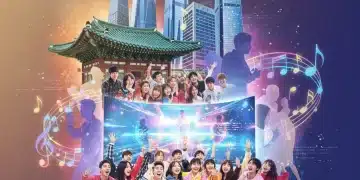
The Korean Wave, or Hallyu, has been a cultural phenomenon sweeping across the globe for decades. From its humble beginnings in the late 1990s and early 2000s, Hallyu has undergone significant transformations, evolving into what we now refer to as Hallyu 3.0. This latest iteration is not merely an expansion but a deeper integration and adaptation of Korean culture into the fabric of international, particularly US, society. By 2026, the influence of Hallyu 3.0 in the US is projected to be more pervasive, nuanced, and deeply rooted than ever before, moving beyond mere consumption to genuine cultural exchange and understanding.
Anúncios
Understanding Hallyu 3.0 means recognizing its distinct characteristics. While Hallyu 1.0 focused primarily on the export of K-dramas and K-Pop to East Asian countries, and Hallyu 2.0 saw K-Pop gain significant traction globally, Hallyu 3.0 is about diversification, localization, and a more sophisticated engagement with diverse audiences. It’s a period where Korean cultural products are not just consumed but actively shape consumer behavior, fashion trends, culinary preferences, and even social discourse in the United States.
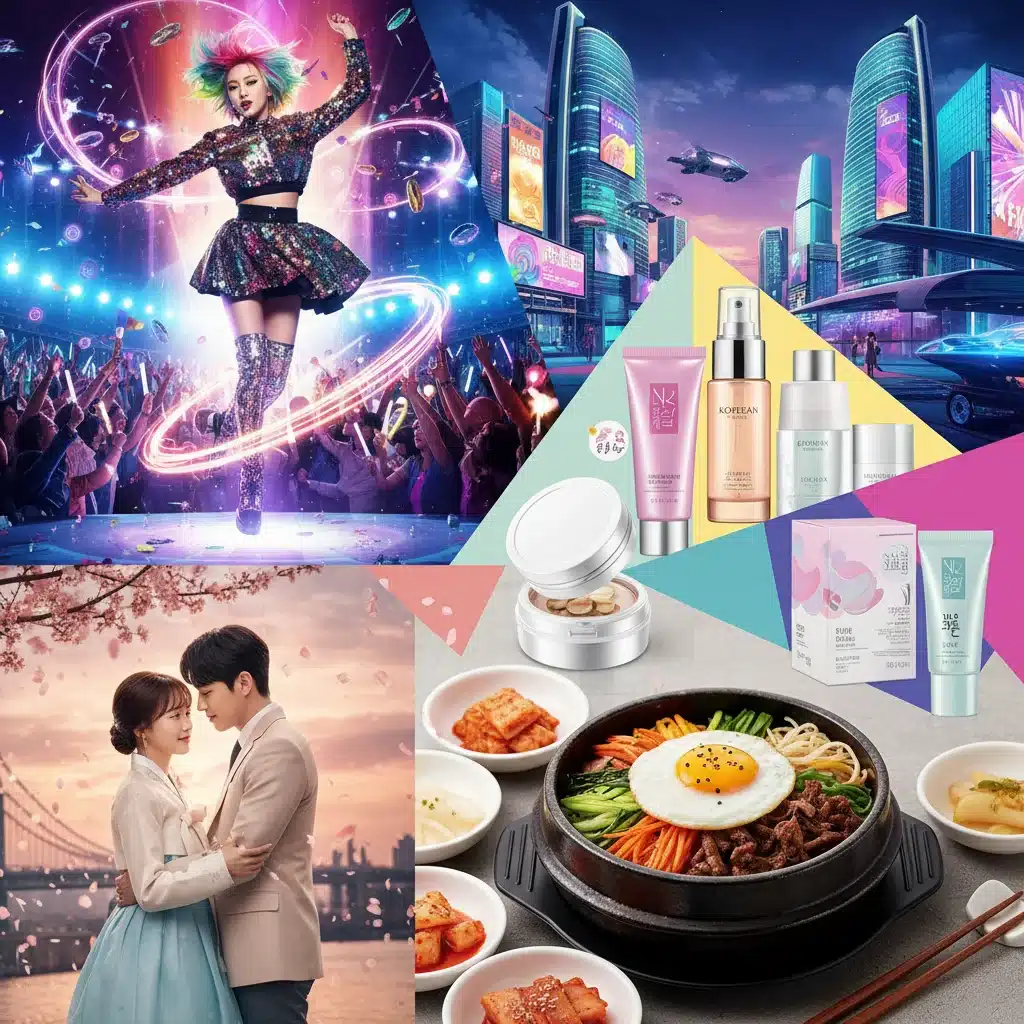
This article will delve into the multifaceted evolution of Hallyu 3.0, exploring its key components and predicting its trajectory for US audiences by 2026. We will examine how K-Pop continues to innovate, how K-dramas are captivating new demographics, the pervasive influence of Korean beauty and fashion, and the growing mainstream appeal of Korean cuisine. Furthermore, we will analyze the underlying factors contributing to this sustained growth, including digital platforms, fan communities, and strategic cultural diplomacy. Join us as we unravel the intricate tapestry of Korean culture’s enduring charm and its deepening impact on the American landscape.
Anúncios
The Evolution of K-Pop: Beyond the Fandom
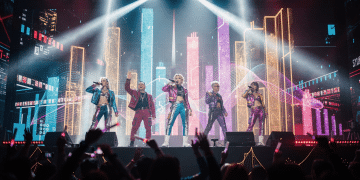
K-Pop has been the undisputed vanguard of Hallyu, breaking down language barriers and cultural divides with its infectious melodies, intricate choreographies, and visually stunning music videos. In the era of Hallyu 3.0, K-Pop’s evolution for US audiences is marked by several significant shifts. By 2026, we anticipate K-Pop’s integration into the mainstream US music industry to be even more seamless, moving past the ‘novelty’ factor to become a staple genre.
One of the key aspects of this evolution is the increasing number of collaborations between K-Pop artists and Western musicians. These collaborations are not just one-off singles but often involve joint albums, tours, and creative projects that blend musical styles and lyrical themes. This cross-cultural synergy allows K-Pop artists to tap into new US fan bases while introducing Western artists to the meticulously crafted world of K-Pop production and performance. Expect to see more K-Pop acts headlining major US music festivals and award shows, further solidifying their status as global music icons.
Furthermore, the diversification of K-Pop genres is a crucial element of Hallyu 3.0. While idol groups remain popular, there’s a growing appreciation for K-R&B, K-Hip Hop, and indie Korean music. Streaming platforms and social media have democratized access to these sub-genres, allowing US audiences to explore a broader spectrum of Korean musical talent. This diversification caters to a wider range of musical tastes, ensuring that K-Pop’s appeal is not monolithic but rather a rich tapestry of sounds and styles.
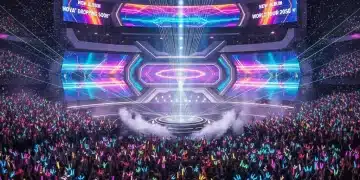
The role of fan communities, while always central to K-Pop, is also evolving. In Hallyu 3.0, US fans are not just passive consumers but active participants in shaping the narrative and success of their favorite groups. Through sophisticated social media campaigns, fan-organized events, and charitable initiatives, these communities demonstrate an unparalleled level of dedication and organization. By 2026, we foresee these fan networks becoming even more influential, potentially impacting chart rankings, concert attendance, and even the creative direction of K-Pop acts through direct engagement and feedback.
Another significant trend is the rise of English-language original songs and increasingly fluent English communication from K-Pop idols. While Korean lyrics remain paramount, the strategic incorporation of English verses or full English tracks makes K-Pop more accessible to non-Korean speaking US audiences without losing its authentic Korean essence. This bilingual approach is a testament to K-Pop’s adaptive nature and its commitment to global outreach, a hallmark of the Hallyu 3.0 era.
Finally, the visual storytelling in K-Pop music videos and conceptual photography continues to set industry standards. These high-production value visuals, often brimming with symbolism and narrative depth, resonate deeply with US audiences accustomed to rich cinematic experiences. The aesthetic appeal of K-Pop, combined with its musical prowess, ensures its sustained dominance and continued evolution within the US entertainment landscape.
K-Dramas: From Niche to Mainstream Sensation
Once considered a niche interest, K-dramas have exploded in popularity among US audiences, especially since the mid-2010s. Hallyu 3.0 signifies a period where K-dramas are no longer just a streaming curiosity but a significant force in the US television and film industry. By 2026, their presence on major streaming platforms and their impact on storytelling conventions are expected to be profound.
The accessibility provided by platforms like Netflix, Viki, and Hulu has been a game-changer. These platforms have invested heavily in licensing and co-producing Korean content, making K-dramas readily available with high-quality subtitles and dubbing. This ease of access has allowed a diverse range of US viewers to discover the compelling narratives, complex characters, and unique storytelling techniques that define K-dramas.
What sets K-dramas apart and contributes to their Hallyu 3.0 success is their ability to tackle a wide array of genres with exceptional depth. From romantic comedies and historical epics to psychological thrillers and social commentaries, K-dramas offer something for everyone. They often explore universal themes such as love, family, ambition, and justice, but with a distinct Korean cultural lens that US audiences find refreshing and thought-provoking. The emotional intensity, intricate plotlines, and often unpredictable twists keep viewers hooked, leading to binge-watching phenomena.
By 2026, we anticipate an increased number of US remakes of popular K-dramas, mirroring the success seen with films like ‘Parasite’ and ‘Minari’. However, Hallyu 3.0 is not just about remakes; it’s about a deeper inspiration. US screenwriters and producers are likely to draw more heavily from K-drama narrative structures, character development, and production styles, leading to a cross-pollination of creative ideas. This influence might manifest in faster-paced storytelling, a greater emphasis on visual aesthetics, and a willingness to explore more unconventional themes in US productions.
The cultural nuances embedded in K-dramas also offer US audiences a window into Korean society. Viewers gain insights into Korean customs, social etiquette, traditional values, and contemporary issues. This educational aspect, coupled with engaging entertainment, fosters a deeper appreciation for Korean culture, moving beyond superficial consumption. The rise of K-dramas has also sparked interest in learning the Korean language, further deepening the cultural connection for many US fans.
Korean Beauty and Fashion: Setting Global Trends
Korean beauty (K-Beauty) and fashion have moved beyond niche markets to become significant trendsetters in the US. Hallyu 3.0 sees these industries not just exporting products but influencing global beauty standards and style trends. By 2026, the K-Beauty and K-Fashion industries are poised for even greater integration into the US market, becoming household names and leading innovation.
K-Beauty’s Innovative Edge
K-Beauty’s success in the US stems from its emphasis on innovation, natural ingredients, and a holistic approach to skincare. The multi-step skincare routine, once seen as complex, is now embraced by many US consumers seeking clear, healthy skin. Products like BB creams, cushion foundations, sheet masks, and essences have become staples in American beauty routines. The focus on gentle formulations, scientific research, and aesthetically pleasing packaging has resonated strongly with a market increasingly concerned with product efficacy and skin health.
In Hallyu 3.0, K-Beauty brands are expanding their presence in major US retailers, from Sephora and Ulta to drugstores, making products more accessible. We are also witnessing a rise in K-Beauty-inspired US brands and collaborations, indicating a deeper integration of Korean beauty philosophies into the American cosmetic industry. By 2026, expect to see more personalized K-Beauty solutions, AI-driven skincare recommendations, and sustainable, eco-friendly K-Beauty products gaining significant traction in the US.
K-Fashion’s Distinctive Style
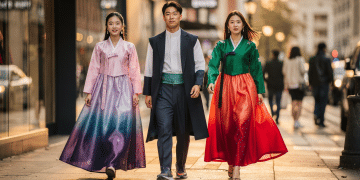
Korean fashion has carved out a unique identity, characterized by its blend of street style, sophisticated tailoring, and playful aesthetics. K-Fashion trends, often showcased by K-Pop idols and K-drama actors, quickly gain traction among US youth. The emphasis on gender-neutral clothing, oversized silhouettes, bold patterns, and a mix of high-end and streetwear elements appeals to a generation that values individuality and comfort.
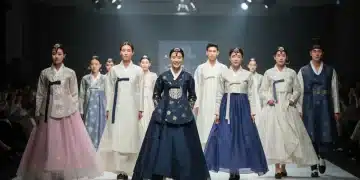
Hallyu 3.0 will see more Korean designers participating in major US fashion weeks and establishing a stronger retail presence. Online platforms and social media influencers play a crucial role in disseminating K-Fashion trends, making them accessible to a wider US audience. By 2026, K-Fashion is expected to further influence mainstream US fashion, with its distinct blend of innovation and classic styles becoming more prevalent in everyday wear and high-street brands. The concept of ‘airport fashion’ – celebrities’ stylish outfits worn while traveling – is also a significant driver, inspiring fans to emulate their favorite stars’ looks.
Korean Cuisine: A Global Culinary Force
Korean cuisine, once confined to ethnic enclaves, has emerged as a global culinary force, captivating US palates with its bold flavors, healthy ingredients, and communal dining experience. Hallyu 3.0 marks a period where Korean food is not just popular but deeply integrated into the American gastronomic landscape. By 2026, we anticipate Korean restaurants and food products to be even more ubiquitous and diverse across the US.
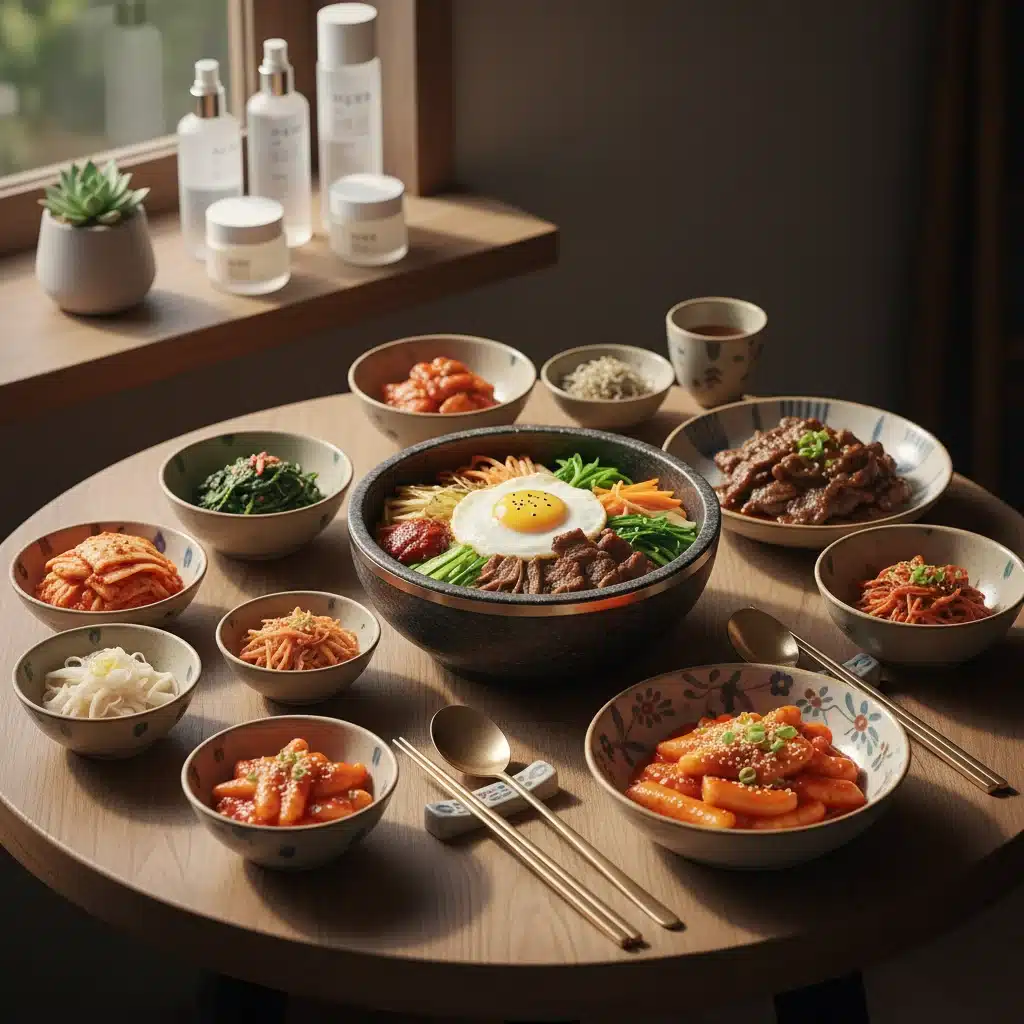
The popularity of dishes like kimchi, bulgogi, bibimbap, and Korean fried chicken has soared, driven by their delicious taste and the influence of K-dramas and K-Pop. Many US consumers are now familiar with these staples, and the adventurous eaters are exploring more traditional and regional Korean dishes. The emphasis on fermented foods, fresh vegetables, and lean meats aligns perfectly with growing health-conscious trends in the US.
Beyond restaurants, Korean food products are increasingly available in mainstream US supermarkets. From gochujang and kimchi to instant ramyeon and Korean snacks, consumers can easily recreate their favorite Korean dishes at home. This accessibility is a key driver of Hallyu 3.0’s culinary success, allowing for a deeper and more personal engagement with Korean food culture.
By 2026, expect to see a greater fusion of Korean and American culinary traditions. Korean-inspired tacos, burgers, and pizzas are already popular, and this trend is likely to expand into new and innovative culinary creations. Celebrity chefs and food influencers are also playing a significant role in popularizing Korean cuisine, demonstrating its versatility and deliciousness to a broad audience. The communal aspect of Korean BBQ and hot pot dining also appeals to US diners looking for interactive and social eating experiences.
Moreover, the rise of Korean street food, such as tteokbokki, gyeranppang (egg bread), and hotteok (sweet pancakes), is adding another layer to the Hallyu 3.0 culinary experience. These easily accessible and flavorful options provide a casual entry point into Korean food culture for many Americans. The vibrant and diverse Korean food scene is constantly evolving, ensuring its continued relevance and popularity in the US market.
Digital Platforms and Fan Engagement: Fueling Hallyu’s Growth
The explosive growth of Hallyu 3.0 in the US would not be possible without the powerful role of digital platforms and the unparalleled engagement of fan communities. These elements act as the primary engines, propelling Korean culture into the mainstream and fostering deeper connections with US audiences.
The Power of Streaming and Social Media
Streaming services have been instrumental in democratizing access to Korean content. Platforms like YouTube, Netflix, Viki, and Spotify have broken down geographical barriers, allowing US audiences to consume K-Pop music videos, K-dramas, and Korean variety shows instantly. This accessibility has transformed casual interest into dedicated fandom. By 2026, these platforms will likely continue to invest heavily in original Korean content, further solidifying their role as cultural conduits.
Social media, including Twitter, Instagram, TikTok, and Weverse, serves as the central nervous system for Hallyu 3.0 fan engagement. These platforms enable fans to connect with each other, share content, organize projects, and directly interact with their favorite artists and actors. The immediacy and global reach of social media amplify the impact of K-Pop comebacks, K-drama releases, and other cultural events, turning them into worldwide trending topics. Expect more sophisticated fan-driven campaigns and even direct fan-to-artist communication channels to emerge, blurring the lines between creators and consumers.
Building Robust Fan Communities
The strength of Hallyu 3.0 lies in its highly organized and passionate fan communities. In the US, these communities are not just online entities; they translate into offline gatherings, watch parties, dance classes, and K-Pop convention attendance. These communities provide a sense of belonging and shared identity, particularly for younger demographics seeking connection in an increasingly digital world. These fan bases are incredibly effective in promoting their idols, translating content, and even influencing public perception, acting as powerful grassroots marketing forces.
By 2026, we anticipate these fan communities to become even more formalized and influential. They might play a larger role in charity initiatives, cultural exchange programs, and even advocacy for Korean cultural representation in mainstream US media. The interactive nature of Hallyu 3.0 means that the relationship between creators and fans is symbiotic, with fan feedback often influencing future content and promotional strategies.
Strategic Cultural Diplomacy and Soft Power
Beyond organic fan growth, the Korean government and cultural institutions have played a strategic role in fostering Hallyu’s global expansion, a phenomenon central to Hallyu 3.0. This ‘soft power’ approach aims not only to promote Korean culture but also to enhance South Korea’s international image and influence, particularly in the US.
The establishment of Korean Cultural Centers in major US cities, the funding of Korean language programs in schools and universities, and the support for cultural exchange events are all part of this broader strategy. These initiatives provide official avenues for US audiences to engage with Korean culture, offering classes in Korean cooking, traditional music, dance, and language. Such programs move beyond passive consumption to active participation, fostering deeper understanding and appreciation.
By 2026, we expect to see an increase in academic studies and research focused on Hallyu and its impact on US society, further legitimizing its cultural significance. Think tanks and cultural organizations will likely collaborate more frequently on projects that explore the sociological and economic dimensions of Korean cultural exchange. This institutional support helps to solidify Hallyu 3.0’s position as a serious cultural phenomenon, not just a fleeting trend.
Furthermore, the Korean government’s investment in creative industries, including technology and content production, ensures a continuous supply of high-quality cultural products. This long-term vision, combined with robust intellectual property protection, allows Korean artists and creators to thrive and innovate, keeping Hallyu fresh and relevant for US audiences. The strategic alignment of government support, industry innovation, and grassroots fan engagement creates a powerful ecosystem for Hallyu 3.0’s sustained success.
Challenges and Future Trajectories for Hallyu 3.0 in the US
While the trajectory for Hallyu 3.0 in the US by 2026 appears overwhelmingly positive, it is important to acknowledge potential challenges and consider future trajectories. Sustaining growth and deepening cultural integration require continuous adaptation and innovation.
One challenge could be cultural fatigue or saturation. As Korean content becomes more mainstream, there’s a risk of it losing its unique appeal if it doesn’t continue to evolve. Hallyu 3.0 must avoid becoming homogenous and instead embrace diversity within its own cultural offerings to maintain US audience interest. This means promoting a wider range of genres, artists, and cultural expressions beyond the most popular ones.
Another area for consideration is the potential for cultural appropriation. As Korean styles and trends become globally popular, ensuring that their origins are acknowledged and respected is crucial. Hallyu 3.0 should foster genuine cultural exchange rather than mere imitation, encouraging US creators to collaborate with Korean artists and respect the cultural context of their inspirations.
By 2026, we might see a stronger emphasis on interactive and immersive Korean cultural experiences in the US. This could include more virtual reality (VR) and augmented reality (AR) content related to K-Pop concerts or K-drama sets, allowing fans to feel even closer to their favorite aspects of Hallyu. Pop-up experiences, themed cafes, and cultural festivals are also likely to expand, offering tangible ways for US audiences to engage directly with Korean culture.
The increasing prominence of Korean webtoons (digital comics) and web novels is another exciting prospect for Hallyu 3.0. Many popular K-dramas are adapted from these digital formats, and their direct translation and availability in the US could create a new wave of content consumption, potentially leading to US adaptations or collaborations. The narrative richness and visual appeal of webtoons resonate well with digital-native US audiences.
Ultimately, the success of Hallyu 3.0 in the US hinges on its ability to remain dynamic, authentic, and responsive to evolving audience preferences. It’s not just about what Korea produces, but how US audiences engage with it, adapt it, and integrate it into their own cultural landscape. The bidirectional nature of this cultural exchange is what makes Hallyu 3.0 so compelling and ensures its lasting impact.
Conclusion: Hallyu 3.0’s Enduring Legacy in the US
Hallyu 3.0 represents a profound and multifaceted evolution of Korean culture’s influence on US audiences. By 2026, what began as a ‘wave’ will have transformed into a deep and enduring current, shaping various aspects of American life. From the innovative sounds and visuals of K-Pop to the compelling narratives of K-dramas, the trendsetting aesthetics of K-Beauty and K-Fashion, and the vibrant flavors of Korean cuisine, Korean culture has transcended its origins to become a significant part of the global cultural tapestry.
The accessibility provided by digital platforms, the passionate dedication of fan communities, and strategic cultural diplomacy have all converged to create an environment where Hallyu 3.0 can thrive. It is a testament to the universal appeal of compelling storytelling, artistic excellence, and genuine cultural expression.
As we look towards 2026, the impact of Hallyu 3.0 in the US will only deepen, fostering greater cross-cultural understanding, inspiring new forms of artistic collaboration, and enriching the lives of millions. It’s an exciting era where Korean culture is not just observed but actively celebrated, integrated, and cherished by a diverse and growing American audience, solidifying its legacy as a true global cultural phenomenon.