US Fandoms Shaping K-Drama: A 2026 Influence Forecast
Anúncios
The global entertainment landscape is an ever-evolving tapestry, intricately woven with threads of cultural exchange and technological innovation. In this dynamic environment, K-Dramas have emerged as a dominant force, captivating audiences worldwide with their compelling narratives, stellar production values, and charismatic casts. However, the relationship between creators and consumers is no longer a unidirectional flow. By 2026, the influence of dedicated fan communities, particularly from the United States, on the very fabric of K-Drama storytelling will be undeniable. This article delves into how four prominent US fandoms are actively shaping K-Drama storylines, character arcs, and thematic explorations through their collective power on digital platforms.
Anúncios
The Rise of Participatory Fandom in K-Drama
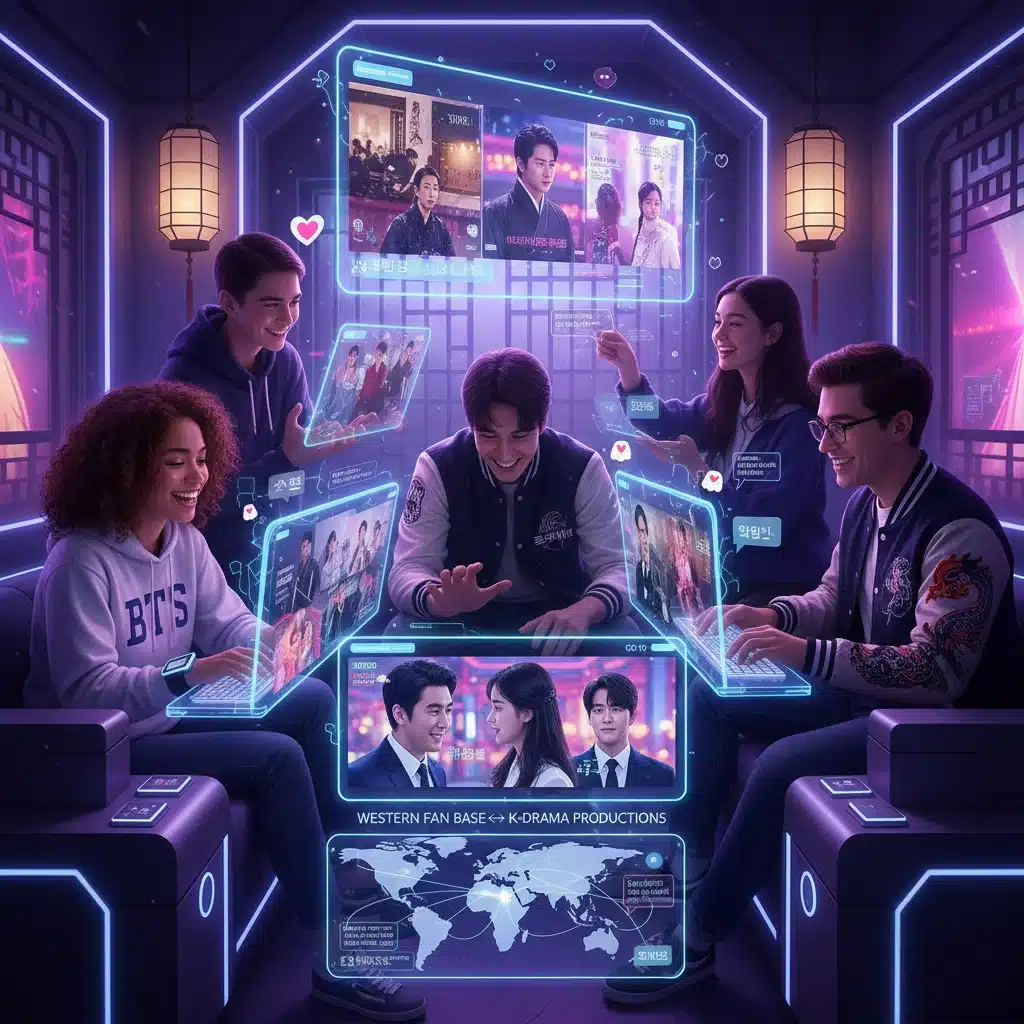
For decades, Hollywood dictated global entertainment trends. Now, the tide has turned, with South Korea’s cultural exports, led by K-Dramas, enjoying unprecedented popularity. What makes this phenomenon unique is not just the consumption but the active participation of its audience. US K-Drama fandoms are not merely passive viewers; they are vocal, organized, and digitally savvy communities that leverage various online channels to express their desires, critiques, and even creative contributions. This shift from passive reception to active engagement marks a pivotal moment in the evolution of media consumption.
The digital age has democratized influence. Social media platforms, online forums, fan fiction sites, and dedicated discussion boards have become powerful arenas where fan sentiments coalesce and amplify. Production companies and screenwriters, increasingly aware of this potent force, are beginning to pay closer attention to these digital whispers and roars. The feedback loop is shortening, transforming the traditional production model into a more interactive, fan-responsive process. This article will explore how specific US fandoms are at the forefront of this revolution, pushing K-Drama narratives in exciting and unexpected directions.
Anúncios
The impact of US Fandoms K-Drama goes beyond mere trending hashtags. It’s about a deep, emotional investment that translates into actionable feedback, sometimes even directly influencing scripts. This unprecedented level of fan engagement is not without its complexities, but its potential to enrich and diversify K-Drama content is immense.
Fandom 1: The ‘Romance Reshapers’ and Their Demand for Nuance
Beyond the Trope: Advocating for Deeper Romantic Arcs
One of the most influential US fandoms impacting K-Drama is the ‘Romance Reshapers.’ This community, largely comprising young adults and millennials, is deeply invested in the romantic genre but has grown weary of conventional tropes. They are particularly vocal on platforms like Twitter, Reddit, and fan-run Discord servers, advocating for more nuanced, realistic, and diverse romantic storylines. Their influence is evident in the increasing complexity of K-Drama relationships, moving beyond the ‘chaebol heir and poor girl’ narrative to explore themes of mutual respect, emotional intelligence, and shared personal growth.
By 2026, the ‘Romance Reshapers’ have successfully pushed for K-Dramas to feature protagonists who actively communicate their feelings, navigate healthy conflict resolution, and demonstrate genuine emotional vulnerability. They’ve championed storylines where female leads are not solely defined by their romantic interests but possess strong, independent career paths and personal aspirations. This fandom’s collective voice has also contributed to a demand for more LGBTQ+ representation within romantic narratives, even if subtle, pushing the boundaries of what has traditionally been depicted in mainstream Korean media.
Their engagement extends to creating detailed character analyses, alternative plot suggestions, and even fan-made trailers that highlight their preferred narrative directions. This active participation serves as a powerful market research tool for production companies, indicating what resonates with a significant segment of their international audience. The ‘Romance Reshapers’ are not just consuming content; they are co-creating the emotional landscape of future K-Dramas, ensuring that the love stories of tomorrow are as rich and multifaceted as their audience.
Fandom 2: The ‘Genre Benders’ and Their Thirst for Hybrid Narratives
Mixing It Up: From Fantasy to Social Commentary
The ‘Genre Benders’ represent another powerful US fandom that thrives on pushing creative boundaries. This group, often found on platforms like Tumblr and specialized K-Drama forums, adores the imaginative scope of K-Dramas but craves innovative combinations of genres. They actively discuss and promote ideas for blending traditional K-Drama elements with genres like sci-fi, dark fantasy, psychological thrillers, and even political satire. Their collective desire is for K-Dramas to break free from rigid genre classifications and explore more experimental, unpredictable narrative structures.
By 2026, the ‘Genre Benders’ have played a significant role in the proliferation of hybrid K-Dramas. We’re seeing more shows that seamlessly weave together elements of historical drama with time-traveling sci-fi, or romantic comedies infused with compelling mystery subplots. This fandom’s influence has also encouraged K-Drama writers to tackle more complex social issues within genre frameworks, using fantasy or thriller elements as metaphors for real-world problems. For instance, a fantasy drama might explore themes of environmental degradation, or a psychological thriller might delve into the nuances of mental health stigmas.
Their impact is not just about genre fusion; it’s about a demand for intellectual stimulation and narrative depth. They appreciate intricate world-building, morally ambiguous characters, and plots that challenge conventional storytelling. Production companies are responding by investing in more ambitious scripts that cater to this sophisticated palate, recognizing that the ‘Genre Benders’ represent a highly engaged and influential demographic willing to champion groundbreaking content. The ‘Genre Benders’ are, in essence, expanding the narrative possibilities of K-Dramas, ensuring they remain fresh, exciting, and intellectually stimulating.
Fandom 3: The ‘Character Cultivators’ and Their Demand for Depth
Beyond Archetypes: Crafting Relatable and Evolving Personalities
The ‘Character Cultivators’ are a US fandom deeply passionate about character development. Their influence is most visible on platforms like Instagram (through fan edits and analyses), YouTube (via character study videos), and dedicated fan fiction archives. This group champions complex, multi-dimensional characters who undergo significant personal growth throughout a series. They are particularly critical of one-dimensional archetypes or characters whose motivations remain static.
By 2026, the ‘Character Cultivators’ have significantly impacted how K-Drama protagonists and antagonists are conceived. There’s a noticeable trend towards characters with intricate backstories, internal conflicts, and believable flaws. This fandom advocates for arcs where characters learn from their mistakes, challenge societal expectations, and evolve in meaningful ways. They’ve also pushed for more diverse character portrayals, including protagonists from various socio-economic backgrounds, body types, and personality spectrums, moving away from a narrow ideal.
Their engagement often involves dissecting character motivations, analyzing subtle emotional shifts, and even writing extensive fan theories about character futures. This deep dive into character psychology provides invaluable insights for writers seeking to create relatable and memorable personalities. The ‘Character Cultivators’ understand that compelling narratives are built on compelling characters, and their sustained advocacy ensures that K-Dramas continue to deliver emotionally resonant and deeply human stories. Their focus on authentic character journeys is making K-Dramas more universally appealing and impactful.
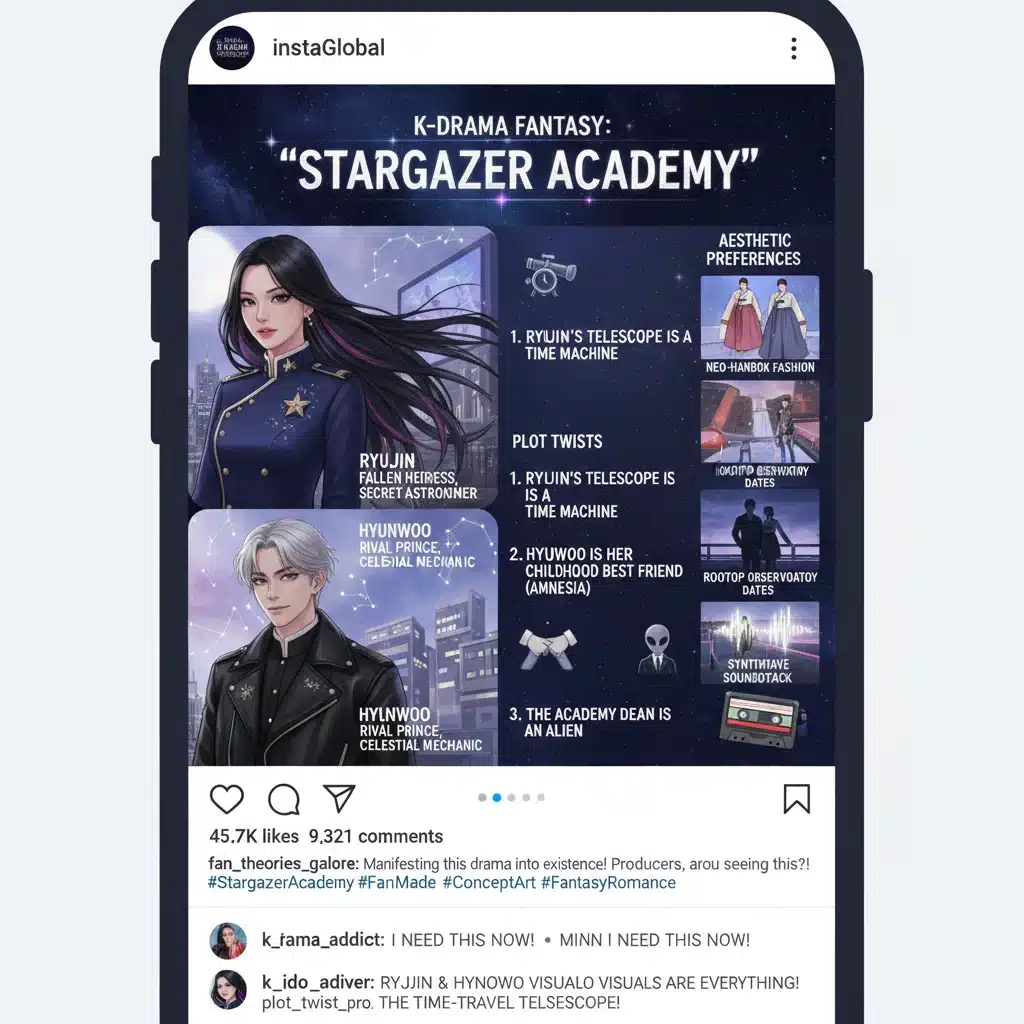
The intricate details these US Fandoms K-Drama enthusiasts provide often serve as an informal focus group for production teams, guiding them toward more nuanced character portrayals and storyline developments. This collaborative spirit is truly shaping the future of K-Drama.
Fandom 4: The ‘Cultural Connectors’ and Their Push for Authentic Representation
Bridging Worlds: Promoting Cultural Nuance and Global Themes
The ‘Cultural Connectors’ are a unique US fandom that goes beyond mere entertainment consumption; they are ardent advocates for authentic cultural representation and cross-cultural understanding within K-Dramas. This group, active on platforms like TikTok (for educational content), cultural exchange forums, and international K-Drama fan groups, champions storylines that respectfully portray Korean culture while also exploring universal themes that resonate globally.
By 2026, the ‘Cultural Connectors’ have influenced K-Dramas to feature more accurate and respectful depictions of Korean traditions, history, and societal norms, moving beyond superficial stereotypes. They advocate for storylines that subtly educate international viewers about Korean customs, historical events, and contemporary social issues, fostering a deeper appreciation for the culture. Furthermore, this fandom encourages K-Dramas to explore themes that transcend cultural boundaries, such as mental health awareness, environmental concerns, social justice, and the complexities of modern relationships, making the narratives more globally relevant.
Their engagement often involves fact-checking cultural details in dramas, providing historical context, and highlighting instances of both accurate and inaccurate portrayals. They act as informal cultural ambassadors, promoting understanding and appreciation. This fandom’s influence also extends to advocating for K-Dramas that feature more diverse international characters and settings, reflecting the global nature of their audience. The ‘Cultural Connectors’ are ensuring that K-Dramas remain culturally rich, globally conscious, and universally resonant, fostering a deeper connection between different cultures through the power of storytelling.
Digital Platforms: The Engine of Fan Influence
From Hashtags to Storyboards: How Online Tools Empower Fandoms
The profound influence of these US Fandoms K-Drama communities would be impossible without the robust ecosystem of digital platforms. Social media sites like Twitter, Instagram, and TikTok serve as instantaneous feedback channels, allowing fans to react to episodes in real-time, share theories, and collectively voice their preferences. Trending hashtags and viral discussions often catch the attention of production companies and media outlets, amplifying fan sentiments.
Beyond social media, dedicated fan forums, Reddit communities, and Discord servers provide spaces for in-depth discussions, collaborative storytelling (through fan fiction), and organized campaigns. These platforms enable fans to dissect storylines, analyze character motivations, and even propose alternative plot directions with remarkable detail. Fan artists contribute with visual interpretations, while fan editors create compelling video montages that highlight desired character pairings or narrative themes.
By 2026, we are also seeing the rise of more sophisticated fan engagement tools, possibly integrated directly into streaming platforms or official K-Drama websites. These tools might include interactive polls for future plot points, direct Q&A sessions with writers, or even fan-submission portals for story ideas. The ability for fans to not only consume but also contribute and shape the content they love is a testament to the power of digital connectivity. This digital infrastructure is the backbone of fan influence, transforming passive viewership into active co-creation, making the impact of US Fandoms K-Drama a quantifiable and significant factor.
The Future Landscape of K-Drama Storytelling
A Collaborative Canvas: What 2026 Holds
Looking ahead to 2026, the influence of US Fandoms K-Drama on storytelling is poised to become even more ingrained in the production process. This isn’t just a fleeting trend; it’s a fundamental shift in how entertainment is created and consumed. Production companies are recognizing the immense value of engaged fan bases, not only for viewership numbers but also as a source of creative insights and market intelligence. The collaborative potential is immense, leading to K-Dramas that are more resonant, diverse, and globally appealing.
We can anticipate a future where K-Dramas are increasingly responsive to international fan feedback, leading to narratives that reflect a broader spectrum of experiences and preferences. This might manifest in more inclusive casting, storylines that tackle a wider range of social issues, and experimental genre fusions that cater to the ‘Genre Benders.’ The ‘Romance Reshapers’ will continue to push for deeper, more realistic love stories, while the ‘Character Cultivators’ will ensure that protagonists and antagonists alike are given rich, evolving arcs.
Furthermore, the ‘Cultural Connectors’ will play a crucial role in maintaining the authenticity of Korean culture while fostering global understanding, ensuring that K-Dramas remain true to their roots while embracing universal themes. The delicate balance between artistic vision and fan expectations will be a continuous negotiation, but one that ultimately enriches the K-Drama landscape.
Challenges and Opportunities for Fan-Driven Narratives
Navigating the New Frontier of Collaborative Storytelling
While the influence of US Fandoms K-Drama presents exciting opportunities, it also comes with its own set of challenges. One primary concern is the potential for creative dilution or pandering to specific fan demands, which could inadvertently stifle originality or lead to inconsistent narratives. Balancing the collective desires of a diverse fandom with a cohesive artistic vision requires careful navigation from writers and producers. Over-reliance on fan feedback could lead to predictable storylines or a reluctance to take creative risks.
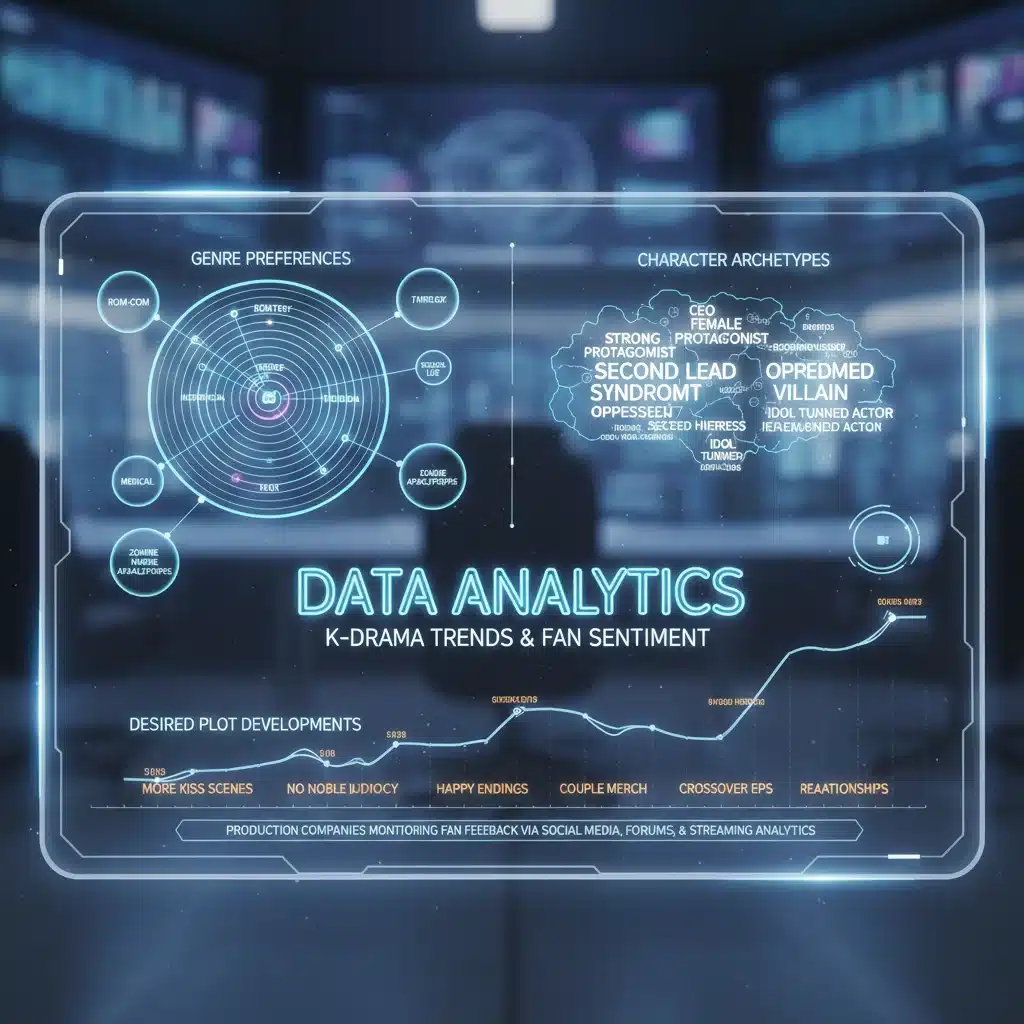
Another challenge lies in the sheer volume and often contradictory nature of fan opinions. Deciphering actionable insights from a sea of comments, theories, and critiques requires sophisticated analytical tools and a deep understanding of fan culture. Production companies must develop effective strategies for listening to their audience without losing their unique voice. The risk of alienating segments of the audience by catering too much to another also exists.
However, the opportunities far outweigh the challenges. Fan-driven narratives can lead to increased audience engagement, stronger emotional connections with characters, and a more diverse range of stories. It can also foster a sense of community around a show, turning viewers into passionate advocates. By embracing this collaborative model, K-Drama creators can tap into a wellspring of creativity and passion, producing content that is not only entertaining but also deeply meaningful to its global audience. The future of K-Drama storytelling is not just about what creators envision, but also what a passionate global fandom, particularly from the US, dreams into existence.