K-Pop’s Global Expansion: 3 New Strategies Labels Are Using in 2026 to Reach U.S. Audiences
Anúncios
K-Pop’s Global Expansion: 3 New Strategies Labels Are Using in 2026 to Reach U.S. Audiences
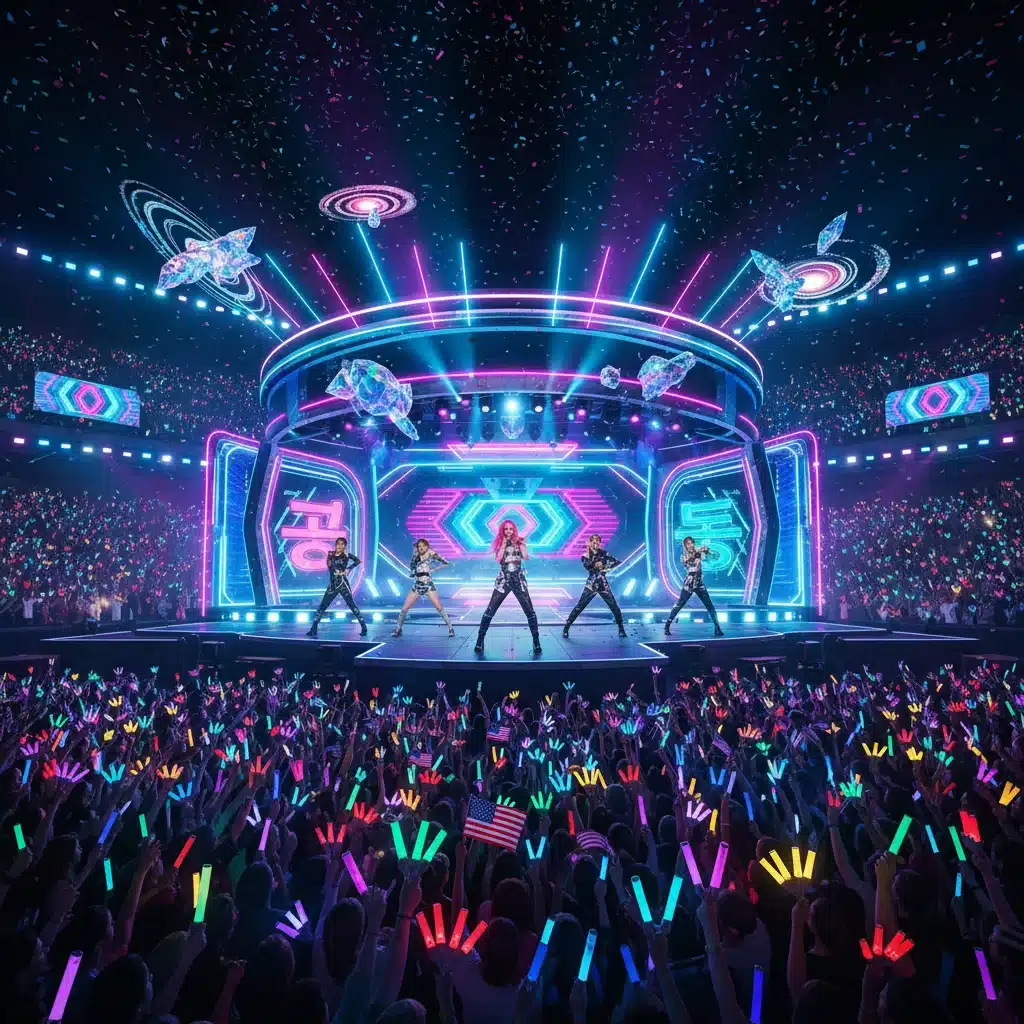
The rhythmic beats, synchronized choreography, and charismatic performances of K-Pop have transcended geographical boundaries, transforming it from a niche genre into a formidable global cultural phenomenon. For years, the Hallyu wave has steadily gained momentum, and its impact on the U.S. music market is undeniable. What was once considered an exotic import is now a mainstream contender, with K-Pop groups consistently topping charts, selling out arenas, and dominating social media trends. However, the American music landscape is notoriously competitive and ever-evolving. To sustain and deepen this incredible reach, K-Pop labels are not resting on their laurels. Instead, they are continuously innovating, adapting, and deploying sophisticated strategies to further captivate and retain U.S. audiences. As we look towards 2026, the game is changing once again, and a new wave of strategic maneuvers is emerging. This article will delve into three pivotal new strategies K-Pop labels are employing to solidify their presence and expand their influence within the crucial U.S. market.
Anúncios
The journey of K-Pop into the American mainstream has been a testament to relentless effort, cultural crossover, and an unparalleled understanding of fan engagement. Early pioneers like Wonder Girls and BoA paved the way, but it was the likes of BTS and BLACKPINK who truly exploded the genre onto the global stage, shattering records and preconceived notions. Their success was built on a foundation of high-quality music production, visually stunning music videos, and an authentic connection with their fanbase, known as ‘fandoms.’ Yet, the industry understands that past success does not guarantee future triumph. The U.S. market, with its diverse demographics, varied musical tastes, and rapid technological advancements, demands continuous adaptation. The strategies we are seeing emerge in 2026 are not just about reaching more people; they are about fostering deeper, more meaningful connections and integrating K-Pop into the very fabric of American popular culture.
Anúncios
These new approaches reflect a maturing industry that is learning from its past successes and failures, and is keenly aware of the nuances required to thrive in a globalized, digital-first world. From leveraging cutting-edge technology to hyper-localizing content and fostering strategic collaborations, K-Pop labels are meticulously crafting their next chapter of global dominance. Let’s explore these innovative strategies in detail.
1. Hyper-Localized Content Creation and Marketing for U.S. Audiences
One of the most significant shifts in K-Pop’s U.S. expansion strategy for 2026 is a pronounced move towards hyper-localized content creation and marketing. While global appeal remains crucial, labels are now investing heavily in producing content that resonates specifically with American cultural sensibilities, humor, and trends, moving beyond simple English translations. This isn’t just about recording English versions of songs; it’s about crafting narratives, visuals, and promotional materials that feel authentic and familiar to U.S. consumers, while still retaining the unique K-Pop flair.
Tailored Storytelling and Narrative Development
K-Pop’s success has always been intertwined with compelling storytelling, often presented through intricate music video lore, elaborate album concepts, and idol-generated content. In 2026, this storytelling is being adapted for the U.S. context. Labels are collaborating with American writers, directors, and cultural consultants to develop storylines for music videos, web series, and social media campaigns that incorporate themes, references, and humor that are distinctly American. This might involve creating fictional universes that blend K-Pop aesthetics with U.S. pop culture tropes, or developing character arcs for idols that mirror relatable experiences for young Americans. The goal is to create a deeper emotional connection by making the content feel less like an import and more like an organic part of the American entertainment landscape.
Collaborations with U.S. Artists and Producers
While collaborations with Western artists are not new to K-Pop, the nature of these partnerships is evolving. In 2026, we’re seeing fewer one-off features and more integrated, long-term creative alliances. K-Pop labels are actively seeking out U.S. producers, songwriters, and choreographers who have a proven track record in the American market to work on entire albums or extended play (EP) projects. This deeper integration ensures that the musical soundscapes and dance styles have an authentic American flavor, without sacrificing the K-Pop group’s identity. Imagine a K-Pop group releasing an EP entirely produced by a Grammy-winning U.S. hip-hop producer, or a visual album choreographed by a renowned American contemporary dancer. These collaborations are strategic moves to blend genres and appeal to a broader spectrum of American music lovers who might not typically engage with K-Pop.
Regional Marketing and Community Building
The U.S. is not a monolith; it’s a diverse tapestry of regional cultures and demographics. K-Pop labels are recognizing this and moving beyond nationwide blanket marketing campaigns. In 2026, we are observing a rise in hyper-regional marketing efforts. This includes targeted advertising campaigns based on specific U.S. cities or states, sponsoring local events and festivals (not just major ones), and even establishing localized fan clubs and community initiatives. For instance, a label might launch a specific social media campaign featuring idols discussing their favorite U.S. cities, or host pop-up events in areas with high concentrations of K-Pop fans. This localized approach fosters a stronger sense of community and belonging, making fans feel personally acknowledged and valued.
2. Advanced Data Analytics and AI-Driven Fan Engagement
The digital age has transformed how artists connect with their fans, and K-Pop has been at the forefront of leveraging technology for engagement. In 2026, K-Pop labels are taking this to an unprecedented level through advanced data analytics and AI-driven fan engagement strategies. This involves collecting, analyzing, and acting upon vast amounts of fan data to personalize experiences, predict trends, and optimize content delivery.
Predictive Analytics for Content Creation and Scheduling
K-Pop’s rigorous content schedule – from music releases to variety show appearances and social media updates – is legendary. In 2026, this schedule is becoming even more optimized through predictive analytics. Labels are utilizing AI algorithms to analyze fan engagement data, social media trends, streaming patterns, and even sentiment analysis from fan comments to predict what kind of content will resonate most with U.S. audiences at specific times. This might involve predicting the optimal release window for a new song based on historical streaming data, identifying emerging fashion or dance trends that a group should incorporate, or even determining the best time of day to post social media content for maximum U.S. reach. This data-driven approach minimizes guesswork and maximizes impact.
Personalized Fan Experiences Through AI
The K-Pop fandom experience is deeply personal, with fans often feeling a strong connection to individual idols. AI is now being deployed to enhance this personalization at scale. Imagine an AI-powered chatbot that can answer fan questions about an idol’s preferences based on publicly available information, or a recommendation engine that suggests K-Pop content tailored to an individual fan’s viewing history and social media interactions. Labels are also experimenting with AI-generated personalized messages or even short, customized video clips for top-tier fans, creating an illusion of direct interaction that strengthens loyalty. This isn’t about replacing human interaction but augmenting it, making the vast K-Pop ecosystem feel more intimate for each fan.
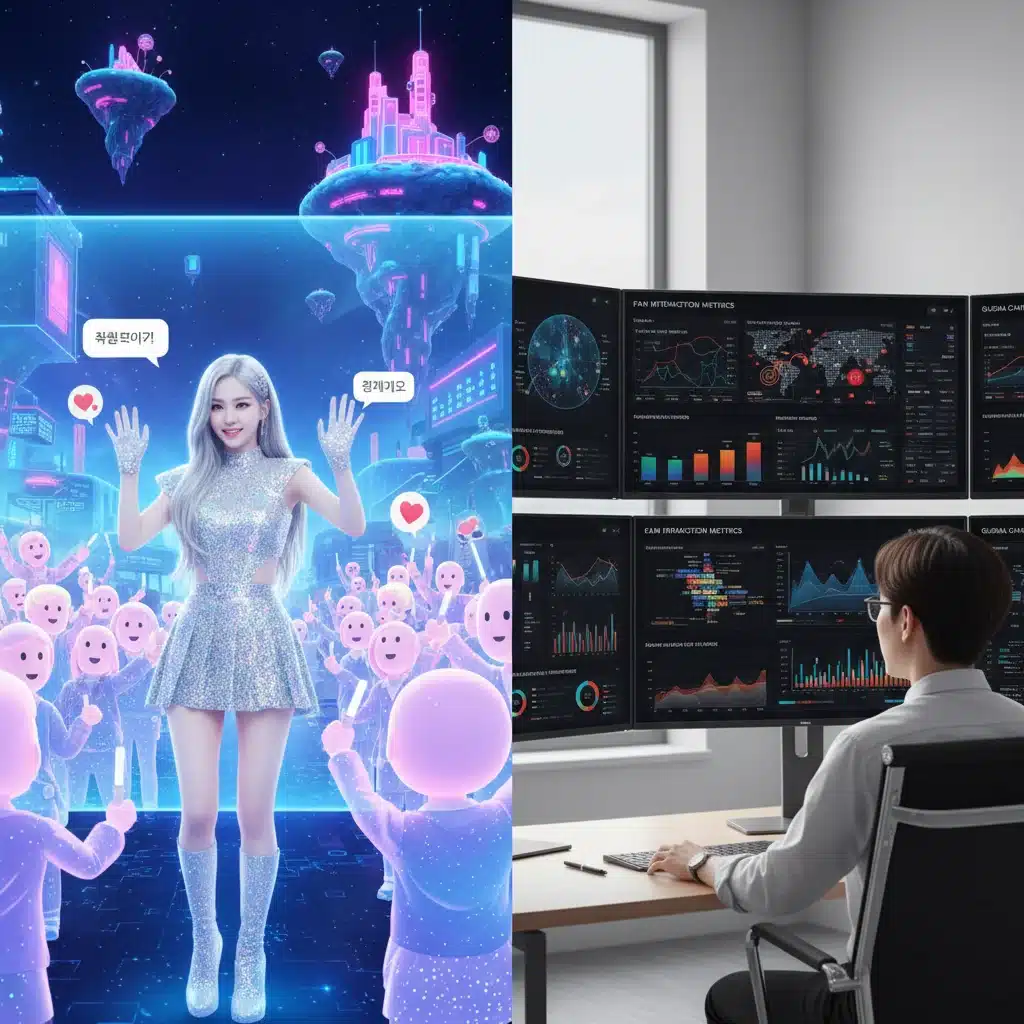
Furthermore, AI is being used to analyze fan-generated content, such as fan art, covers, and reaction videos, to identify rising trends and influential fan creators. Labels can then strategically engage with these creators, amplifying their content and further integrating the fan community into the promotional cycle. This symbiotic relationship, fueled by AI insights, transforms fans from passive consumers into active participants and even co-creators.
Leveraging the Metaverse and Web3 Technologies
The metaverse, once a futuristic concept, is becoming a tangible space for K-Pop fan engagement in 2026. Labels are investing in creating immersive virtual worlds and experiences where fans can interact with avatars of their favorite idols, attend virtual concerts, purchase digital merchandise (NFTs), and participate in fan events. These metaverse platforms offer a level of interactivity and immersion that traditional social media cannot, allowing for unique fan experiences that transcend physical limitations. Web3 technologies, particularly NFTs, are also being used to create exclusive digital collectibles, fan club memberships, and even governance tokens that give fans a say in certain aspects of their favorite group’s activities. This not only generates new revenue streams but also deepens fan loyalty by giving them a sense of ownership and participation.
3. Strategic Diversification and Cultural Integration Beyond Music
To truly embed K-Pop into the American cultural fabric, labels are moving beyond solely focusing on music releases. In 2026, the strategy involves a significant diversification of content and a deeper integration into various facets of American popular culture, transforming K-Pop idols into multi-faceted cultural ambassadors.
Expansion into U.S. Film, Television, and Streaming
K-Pop idols are increasingly venturing into acting, and in 2026, we’re seeing a strategic push for their integration into U.S. film, television, and streaming productions. This isn’t just about cameo appearances; it’s about securing significant roles in Hollywood movies, American TV series, and original content for major streaming platforms. Labels are actively pursuing partnerships with U.S. production companies and talent agencies to cast idols in roles that showcase their acting abilities and introduce them to a broader audience that might not be actively following K-Pop music. Imagine a K-Pop idol starring in a hit Netflix series or a major blockbuster film. This cross-media exposure significantly elevates their profile and brings the K-Pop brand into new households.
Fashion, Beauty, and Lifestyle Brand Collaborations
K-Pop idols are undeniable trendsetters, influencing fashion, beauty, and lifestyle choices globally. Labels are capitalizing on this influence by forging more strategic and lucrative collaborations with prominent U.S. fashion houses, beauty brands, and lifestyle companies. These partnerships go beyond simple endorsements; they involve idols co-designing collections, becoming faces of major campaigns, and even launching their own sub-brands within established American companies. This integration allows K-Pop’s aesthetic and influence to permeate everyday American consumer culture, making it a more ubiquitous presence. The goal is to make K-Pop synonymous with style, innovation, and aspirational living in the U.S.
Furthermore, these collaborations often come with extensive marketing budgets from the partner brands, amplifying the reach and visibility of K-Pop idols to demographics that might not be reached through traditional music promotion channels. It’s a mutually beneficial relationship where K-Pop artists lend their immense cultural capital, and American brands gain access to a highly engaged and trend-conscious audience.
Educational and Cultural Exchange Programs
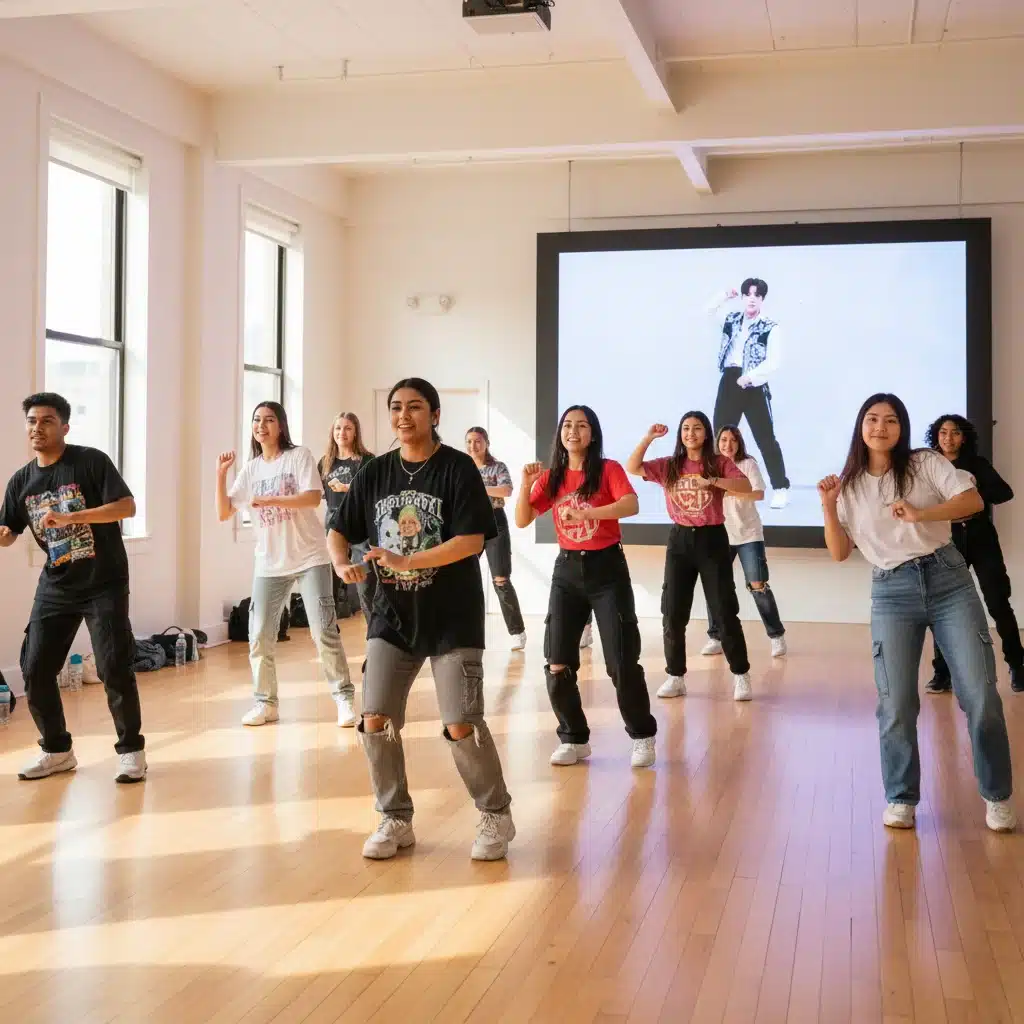
To foster a deeper appreciation and understanding of K-Pop and Korean culture, labels are also investing in educational and cultural exchange programs within the U.S. This includes sponsoring K-Pop dance workshops, Korean language classes, and cultural events at universities and community centers across America. These initiatives serve a dual purpose: they educate potential new fans about the rich cultural context of K-Pop, and they strengthen the existing fandom by providing opportunities for deeper engagement and community building. By positioning K-Pop not just as music, but as a gateway to cultural understanding, labels are building a more resilient and integrated fan base in the U.S. These programs often partner with local cultural organizations and educational institutions, further embedding K-Pop into the mainstream social fabric.
The Future of K-Pop in the U.S.
The strategies outlined above demonstrate a sophisticated and forward-thinking approach by K-Pop labels to conquer the U.S. market. It’s a multi-pronged attack that combines artistic innovation with technological prowess and cultural sensitivity. The days of simply releasing a catchy song and hoping for the best are long gone. In 2026, K-Pop’s global expansion is characterized by meticulous planning, data-driven decisions, and a deep understanding of the diverse American audience.
The hyper-localization of content ensures that K-Pop doesn’t just entertain but truly resonates with U.S. sensibilities, bridging cultural gaps with tailored narratives and collaborations. Advanced data analytics and AI-driven fan engagement are transforming the fan experience, making it more personalized, interactive, and immersive than ever before. Finally, strategic diversification beyond music, into film, television, fashion, and cultural exchange, positions K-Pop idols as multifaceted cultural figures, solidifying their place in the broader American entertainment and lifestyle landscape.
As these strategies mature and evolve, we can expect K-Pop’s influence in the U.S. to grow even stronger, moving beyond a dedicated fandom to become an undeniable and integrated force in popular culture. The journey of K-Pop is a testament to the power of cultural exchange and the universal appeal of talent, dedication, and innovation. The U.S. market, once a challenging frontier, is now becoming a second home for K-Pop, thanks to these cutting-edge strategies implemented by forward-thinking labels.