The Evolution of K-Pop Fandom: Digital Platforms Reshaping Fan-Artist Interaction
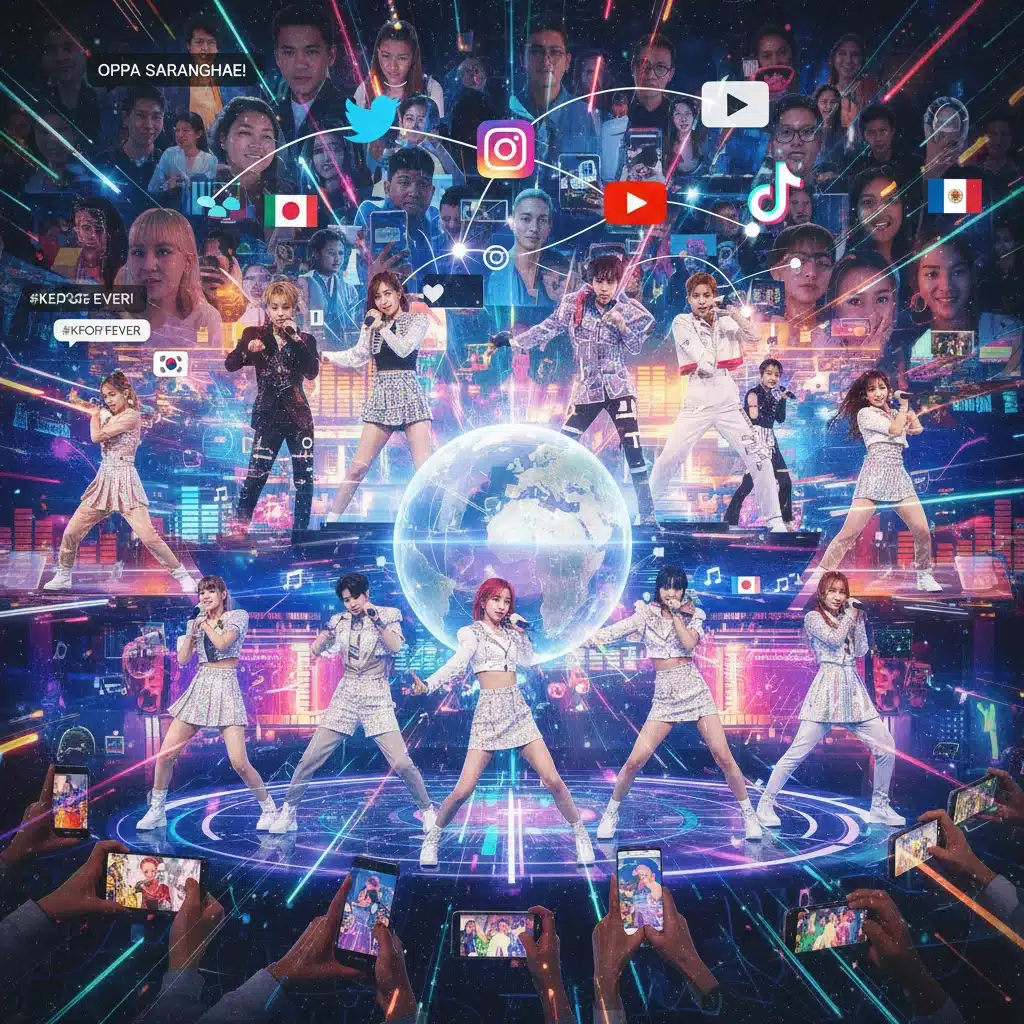
The Evolution of K-Pop Fandom: How Digital Platforms are Changing Fan-Artist Interaction in 2026
In the ever-accelerating world of global entertainment, few phenomena have captured the collective imagination quite like K-Pop. More than just a musical genre, K-Pop has cultivated a unique and powerful ecosystem built around its artists and their dedicated fan bases. What started as a regional sensation has exploded into a global cultural force, largely propelled by the transformative power of digital platforms. In 2026, the landscape of K-Pop fandom is unrecognizable from its origins, having undergone a profound evolution driven by technological advancements and the relentless innovation of both artists and fans. This article delves into the intricate ways digital platforms are reshaping K-Pop fandom evolution, fostering unprecedented levels of fan-artist interaction, and charting the course for the future of global entertainment.
The Genesis of Digital Fandom: From Forums to Global Communities
The journey of K-Pop Fandom Evolution truly began with the internet. Early fans congregated in online forums and message boards, sharing news, translating lyrics, and organizing support efforts. These rudimentary digital spaces laid the groundwork for a global community, transcending geographical boundaries long before social media became ubiquitous. As platforms like YouTube, Twitter, and Facebook emerged, the reach and influence of K-Pop fans multiplied exponentially. Suddenly, fan-created content – from dance covers to elaborate fan theories – could go viral, introducing new audiences to K-Pop and strengthening existing fan bonds. This era marked a significant shift from passive consumption to active participation, a hallmark of modern K-Pop fandom.
The accessibility provided by these early platforms allowed fans to engage with content and each other in ways previously unimaginable. Fans could directly share their passion, discuss their favorite groups, and even collaborate on projects to promote their idols. This bottom-up approach to promotion became a defining characteristic of K-Pop, with fans often acting as powerful, unpaid marketers. The sheer volume of fan-generated content, coupled with the ease of sharing, created a self-sustaining ecosystem where new fans were constantly being drawn in by the enthusiasm and creativity of existing ones. This organic growth, fueled by digital platforms, was crucial in establishing K-Pop’s international footprint.
Direct Lines of Communication: Breaking Down Barriers Between Idols and Fans
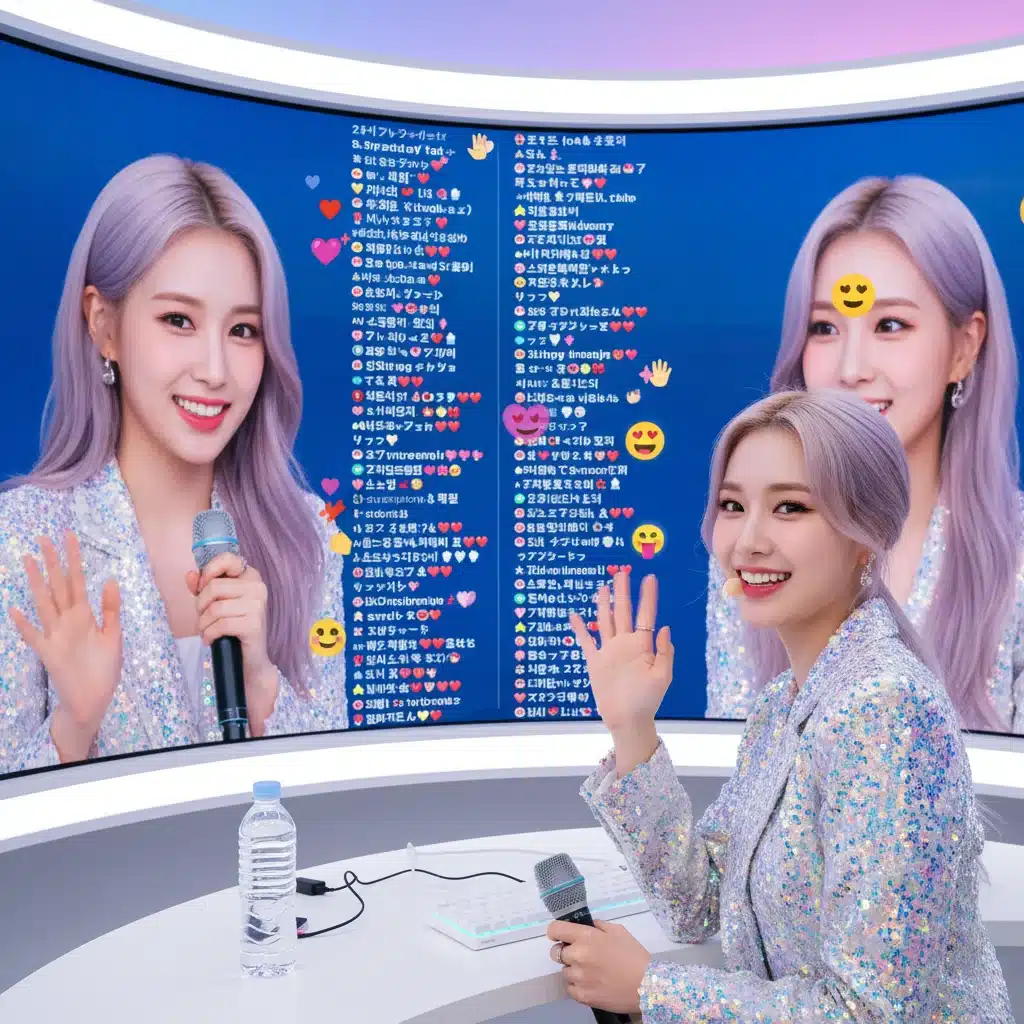
Perhaps the most significant aspect of the K-Pop Fandom Evolution is the establishment of direct communication channels between artists and their fans. Gone are the days when fan-artist interaction was limited to infrequent fan meets or televised interviews. Today, platforms like VLive (and its successor, Weverse), Bubble, and Instagram Live have revolutionized this dynamic. Idols regularly host live streams, share personal updates, and respond to fan comments in real-time. This creates an unparalleled sense of intimacy and connection, making fans feel personally acknowledged and valued. This direct access fosters a deeper emotional bond, transforming celebrity worship into a more reciprocal relationship.
These platforms are not merely broadcasting tools; they are interactive spaces. Fans can send virtual gifts, participate in Q&A sessions, and even influence content decisions through polls and feedback. This level of engagement has blurred the lines between performer and audience, creating a shared experience that strengthens the collective identity of the fandom. The immediacy of these interactions means that fans feel more connected than ever, leading to higher levels of loyalty and active participation in promotional efforts. This direct engagement is a cornerstone of modern K-Pop Fandom Evolution, differentiating it from traditional entertainment industries.
The Power of Collective Action: Fan-Driven Campaigns and Global Impact
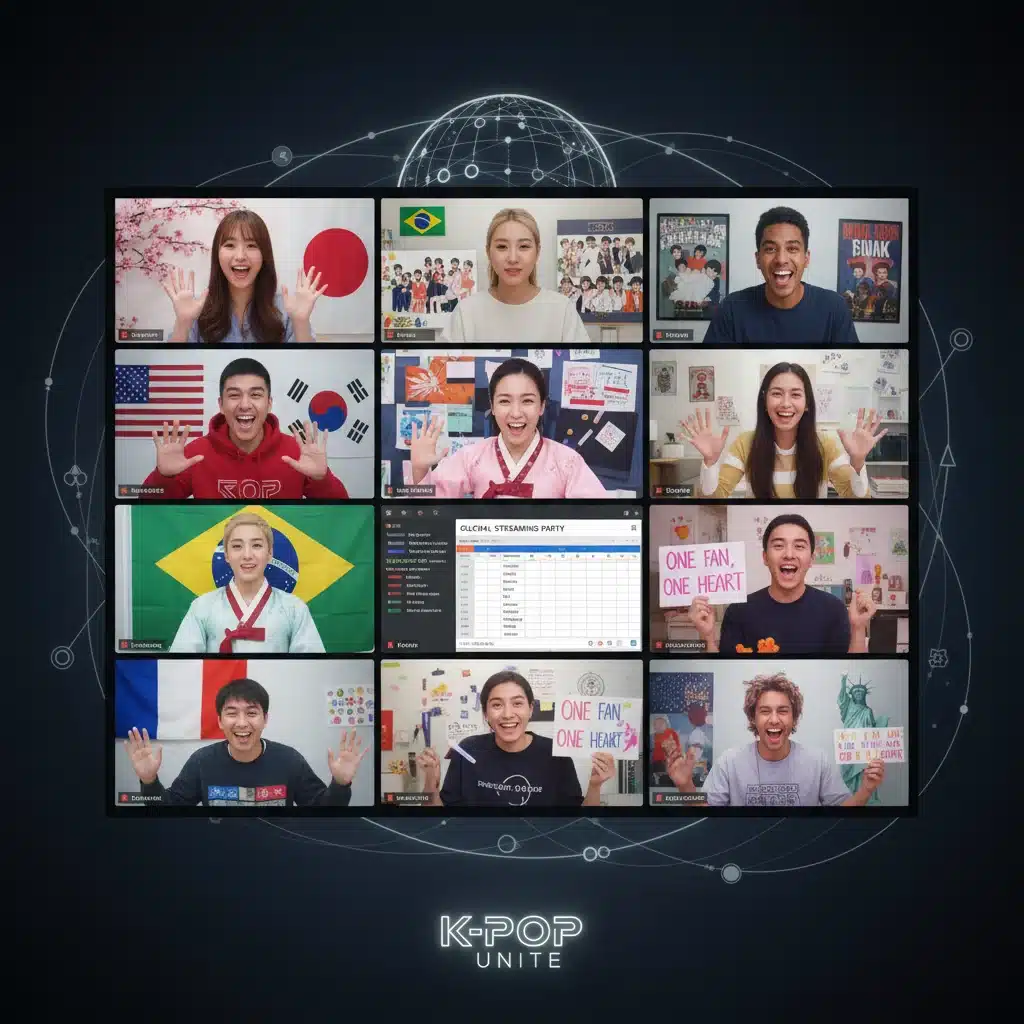
Digital platforms have empowered K-Pop fans to organize and mobilize on an unprecedented scale. From streaming parties designed to boost chart performance to elaborate birthday projects displayed on global landmarks, fan collectives (often referred to as ‘fandoms’) wield immense power. Hashtag trends on Twitter can dominate global conversations, raising awareness for new releases, advocating for social causes, or defending their idols against criticism. This collective action is a testament to the organizational prowess and unwavering dedication of K-Pop fans, a key driver in the K-Pop Fandom Evolution.
Beyond promotional activities, K-Pop fandoms have also demonstrated significant social and political influence. There have been numerous instances where fans have used their digital platforms to raise millions for charities, support social justice movements, or even disrupt political rallies, showcasing their ability to translate online solidarity into real-world impact. This level of coordinated effort is facilitated by the interconnected nature of digital platforms, allowing fans from diverse backgrounds and geographical locations to unite under a common cause. The ability of fandoms to coalesce and act as a unified force is a powerful illustration of the transformative effect of digital tools on fan culture.
Monetization and Fan Engagement: A New Economic Model
The K-Pop Fandom Evolution has also ushered in innovative monetization strategies that deeply involve the fan base. Beyond traditional album sales and concert tickets, K-Pop agencies have embraced digital offerings like paid fan club memberships, exclusive content subscriptions (e.g., on Weverse), and digital merchandise. These models provide fans with tiered access to content and experiences, further cementing their loyalty and financial investment in their favorite groups. The willingness of fans to invest in these digital offerings demonstrates the strength of the emotional connection fostered by these platforms.
Furthermore, platforms like YouTube and Spotify provide artists with global revenue streams through streaming and ad revenue, while also offering fans a convenient way to consume music legally. The gamification of fandom, through voting for awards or participating in challenges, also drives engagement and indirectly contributes to monetization. This symbiotic relationship, where fans contribute financially and actively participate in the success of their idols, is a sophisticated economic model that continues to evolve with technology.
The Role of AI and Data in Shaping Fandom Experiences
As we look towards 2026 and beyond, Artificial Intelligence (AI) and data analytics are playing an increasingly crucial role in shaping the K-Pop Fandom Evolution. Agencies now use data to understand fan preferences, tailor content, and even predict trends. AI-powered translation tools break down language barriers, making global communication seamless. Personalized recommendations on streaming platforms ensure fans discover new artists and content relevant to their tastes.
Moreover, AI is being leveraged to enhance fan engagement through interactive experiences. Imagine AI-driven chatbots that can answer fan questions about their favorite idols, or personalized video messages generated with AI that make fans feel even more special. While concerns about authenticity and privacy exist, the potential for AI to create more personalized and immersive fan experiences is immense. This data-driven approach allows for a more targeted and effective engagement strategy, optimizing both artist-fan interaction and business outcomes.
Web3, NFTs, and the Metaverse: The Next Frontier for Fandom
The advent of Web3 technologies, including NFTs (Non-Fungible Tokens) and the burgeoning metaverse, represents the next frontier in K-Pop Fandom Evolution. NFTs are already being used to offer exclusive digital collectibles, limited edition fan art, and unique access passes, creating a new form of digital ownership and status within fandoms. These digital assets provide fans with verifiable proof of ownership and often come with additional perks, further deepening their connection to the artists.
The metaverse, with its promise of immersive virtual worlds, holds even greater potential. Imagine attending virtual K-Pop concerts where your avatar can interact with other fans and even holographic representations of your idols. Virtual fan meets, digital autograph sessions, and exclusive metaverse-only content are becoming realities. These technologies offer unprecedented opportunities for fans to experience K-Pop in new, interactive, and personalized ways, pushing the boundaries of what fan-artist interaction means. The integration of blockchain technology also introduces new possibilities for fan governance and decentralized fan communities, giving fans a greater say in the future direction of their favorite groups.
Challenges and Criticisms in the Digital Fandom Landscape
While the K-Pop Fandom Evolution has brought many positives, it’s not without its challenges. The intense nature of digital fandom can sometimes lead to toxic environments, including cyberbullying, fan wars, and excessive pressure on idols. The constant scrutiny and demand for interaction can take a toll on artists’ mental health, leading to calls for better protections and boundaries. The blurred lines between an idol’s public and private life, exacerbated by constant digital exposure, pose significant ethical questions.
Moreover, the monetization strategies, while innovative, can also be criticized for exploiting fan loyalty, with some fans feeling pressured to spend excessively to maintain their status or access exclusive content. The digital divide also means that not all fans have equal access to these platforms and experiences, creating potential inequalities within the global fandom. Addressing these challenges requires a concerted effort from agencies, platforms, and fans themselves to foster healthier, more inclusive, and sustainable fan environments. Striking a balance between engagement and well-being is crucial for the continued positive K-Pop Fandom Evolution.
The Future of K-Pop Fandom: A Continually Evolving Landscape
Looking ahead, the K-Pop Fandom Evolution shows no signs of slowing down. We can expect further integration of AI, Web3, and metaverse technologies, leading to even more immersive and personalized fan experiences. The rise of independent artists leveraging digital platforms directly, bypassing traditional agency structures, may also reshape the industry. The emphasis will likely remain on authenticity, direct communication, and community building, with technology serving as the primary enabler.
The global nature of K-Pop means that cultural exchange and understanding will continue to be fostered through these digital interactions. Fans will likely gain even more influence in decision-making processes, perhaps through decentralized autonomous organizations (DAOs) where collective fan input directly impacts artist projects. As technology advances, the definition of what it means to be a K-Pop fan will continue to expand, embracing new forms of engagement, participation, and co-creation. The adaptability and innovation shown by K-Pop fandoms ensure that this vibrant cultural phenomenon will remain at the forefront of digital entertainment for years to come.
Conclusion
The K-Pop Fandom Evolution is a dynamic and compelling case study in how digital platforms can utterly transform an industry and its relationship with its audience. From enabling global communities and direct artist interaction to empowering collective action and forging new economic models, technology has been the engine of K-Pop’s unprecedented success. While challenges exist, the innovative spirit of K-Pop artists, agencies, and most importantly, its dedicated global fan base, continues to push the boundaries of what’s possible in entertainment. As we navigate 2026 and beyond, the digital landscape will undoubtedly continue to shape and redefine the very essence of K-Pop fandom, promising an exciting and ever-evolving future for this global phenomenon.