U.S. K-Pop Streaming Wars: Maximize Your Chart Impact in 2025
To maximize impact in the U.S. K-Pop streaming wars and influence chart rankings in 2025, fans must employ strategic streaming practices, understand platform algorithms, and engage in coordinated fandom efforts.
The landscape of K-Pop in the United States is more competitive than ever, with fan power directly influencing chart success. Navigating the U.S. K-Pop streaming wars requires a deep understanding of how streaming platforms and chart methodologies work, transforming casual listening into a strategic endeavor for fandoms aiming to elevate their favorite artists.
Understanding the U.S. Chart Landscape
For K-Pop groups, breaking into and dominating U.S. music charts like the Billboard Hot 100 or Billboard 200 is a significant milestone, representing mainstream recognition and expanded reach. These charts are complex, factoring in various metrics beyond just pure sales, making strategic streaming a critical component of a successful campaign.
In 2025, the algorithms and weighting systems of major platforms continue to evolve. Understanding these nuances is paramount for fandoms looking to make a substantial impact. It’s not just about quantity; quality and consistency of streams are increasingly emphasized.
Key Chart Components and Their Weight
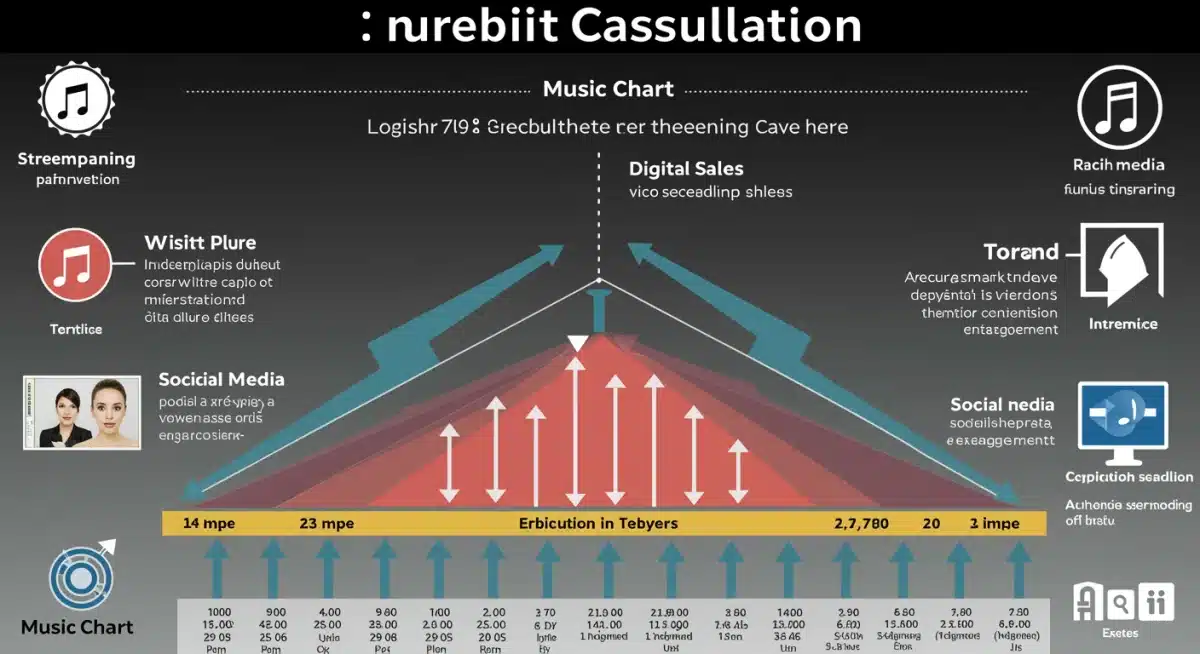
U.S. chart success is a multi-faceted equation. While streaming holds a significant portion, it’s complemented by other factors that collectivly contribute to an artist’s ranking. Fandoms must consider all these elements to ensure a comprehensive strategy.
- Streaming Units: This is arguably the most crucial component, encompassing on-demand audio and video streams from platforms like Spotify, Apple Music, YouTube, and Amazon Music.
- Digital Song Sales: Direct purchases of individual tracks from platforms such as iTunes and Amazon Music still contribute, though their weight has decreased compared to streaming.
- Physical Album Sales: Despite the digital age, physical album sales, often bundled with exclusive photocards or merchandise, remain a vital part of the equation, particularly for album charts.
- Radio Airplay: Exposure on U.S. radio stations, especially major pop and rhythmic stations, provides significant chart points and broadens an artist’s audience beyond the dedicated fandom.
Each component plays a role, but the dominance of streaming cannot be overstated. Fandoms that excel in coordinated streaming efforts often see their artists climb higher on the charts, reflecting the direct influence of dedicated listeners.
Strategic Streaming Practices for Maximum Impact
Simply playing a song repeatedly isn’t enough to guarantee optimal chart performance. Effective streaming requires a strategic approach that maximizes the visibility and impact of each listen. Fandoms often organize elaborate streaming parties and campaigns to ensure their efforts are as efficient as possible.
Understanding the specific rules and best practices for each major streaming platform is essential, as slight variations can significantly affect how streams are counted and weighted. This includes knowing whether continuous looping is effective or if pauses are necessary.
Platform-Specific Streaming Guidelines
Different streaming services have unique algorithms and methods for counting streams. Adhering to these guidelines is crucial to ensure that every stream contributes effectively to chart data.
- Spotify: Streams must be at least 30 seconds long to count. Repeated plays within a short period from the same IP address or account may be filtered. Creating diverse playlists and listening to entire albums can help.
- Apple Music: Similar to Spotify, streams need to be of a certain length. Apple Music tends to be more lenient with repeat plays, but still encourages organic listening habits.
- YouTube: Official music videos, audio visualizers, and lyric videos all count. Ensure videos are played at normal volume and not muted. Using private browsing or clearing watch history between sessions can increase impact.
- Amazon Music: Both paid and free tiers contribute, with paid streams often holding more weight. Normal listening behavior, including playing full songs, is encouraged.
Beyond individual efforts, coordinated streaming via fan bases is a powerful tool. Establishing clear guidelines and sharing them across fandom channels ensures that collective efforts are streamlined and impactful, preventing wasted streams due to incorrect practices.
Leveraging Fandom Coordination and Tools
The strength of K-Pop fandoms lies in their unparalleled organization and dedication. In the U.S. K-Pop streaming wars, this collective power is harnessed through coordinated efforts and the smart use of various digital tools. These tools facilitate communication, strategy dissemination, and real-time tracking of streaming goals.
Discord servers, Twitter threads, and dedicated fan websites serve as central hubs for organizing streaming parties, sharing tips, and motivating fellow fans. The sense of community and shared purpose drives sustained effort, which is vital for long-term chart success.
Essential Fandom Tools and Strategies
Effective coordination relies on clear communication and accessible resources. Fandoms utilize a range of platforms and strategies to ensure everyone is on the same page and contributing effectively.
- Streaming Playlists: Curated playlists on Spotify and Apple Music, often updated daily, ensure consistent and varied listening. These playlists are designed to maximize stream counts while appearing organic.
- Mass Buying Projects: For digital and physical sales, fandoms often organize mass buying events on specific days, concentrating purchases to create a significant sales spike during tracking weeks.
- Social Media Campaigns: Trending hashtags, fan-made content, and coordinated tweeting efforts on platforms like Twitter and TikTok increase visibility and drive engagement, which indirectly boosts streaming.
- Data Tracking and Reporting: Many fan communities develop internal systems to track streaming progress, identify areas for improvement, and maintain motivation among members.
The ability to quickly adapt strategies based on real-time chart data and competitor performance is a hallmark of successful K-Pop fandoms. This agility ensures that resources are allocated efficiently to achieve the desired chart outcomes.
Navigating Algorithm Changes and Platform Updates
The digital music landscape is constantly evolving, with streaming platforms regularly updating their algorithms and policies. What worked last year might not be as effective in 2025. Staying informed and adaptable is crucial for any fandom serious about impacting U.S. charts.
These changes are often designed to combat artificial streaming and promote more organic listening habits. Fandoms must interpret these updates and adjust their strategies accordingly, always aiming for practices that mimic genuine listener engagement while maximizing volume.
Adapting to a Dynamic Streaming Environment
Being proactive in understanding and responding to changes is key. Relying on outdated methods can hinder progress and waste valuable fan effort.
- Official Announcements: Regularly monitor official news from streaming platforms regarding policy changes or algorithm updates.
- Fanbase Intelligence: Leverage the collective knowledge within the fandom to experiment with new strategies and share findings on what works best.
- Diversification of Efforts: Avoid putting all eggs in one basket. If one platform changes its counting method, having a strong presence on others can mitigate the impact.
- Focus on Organic Growth: While strategic, aim for listening patterns that resemble natural consumption to avoid flags for inauthentic activity. This includes varied playlists, listening to full tracks, and engaging with other content.
The most successful fandoms are those that treat streaming as a continuous learning process, always refining their approach to stay ahead of the curve and maintain their competitive edge in the ever-shifting streaming wars.
The Role of Digital Sales and Bundles
While streaming dominates, digital song sales and physical album bundles still hold significant weight, particularly for specific chart categories. For albums, physical sales, often enhanced by fan-focused bundles, provide a substantial boost to Billboard 200 rankings. Digital singles, though less impactful than streams for the Hot 100, still contribute valuable points.
Fandoms strategically plan purchase periods, often coinciding with album releases or comeback weeks, to consolidate sales and create a strong debut. Understanding the difference between ‘pure sales’ and ‘streaming equivalent units’ is also crucial for optimizing efforts.
Optimizing Sales for Chart Performance
Maximizing sales requires a clear strategy, often involving pre-orders and concentrated buying periods to make the most of the chart week.
- Pre-order Campaigns: Encourage pre-orders as soon as an album or single is announced. These often count towards the first week’s sales, which are crucial for a strong debut.
- Official Store Purchases: Prioritize purchasing from official artist stores or U.S. retailers that report directly to chart data providers like Luminate (formerly Nielsen Music).
- Digital Single Purchases: While less impactful than streams, buying digital singles on platforms like iTunes or Amazon Music can provide a direct sales boost.
- Album Bundles: Take advantage of album bundles that include merchandise or unique content. These often incentivize multiple purchases and contribute significantly to overall sales figures.
Coordinated buying efforts, often announced and facilitated through fan group channels, ensure that purchasing power is concentrated during critical tracking periods, amplifying the impact on chart positions.
Future Trends and Sustaining Long-Term Impact
Looking ahead to 2025 and beyond, the U.S. K-Pop streaming wars will continue to evolve, influenced by technological advancements, changes in consumer behavior, and new platform features. Sustaining long-term impact requires foresight and a willingness to embrace emerging trends, ensuring that fandom efforts remain relevant and effective.
The integration of AI in music curation, the rise of new social media platforms, and potentially new methods of consumption could all reshape how chart success is achieved. Fandoms must remain agile and innovative to maintain their influence.
Emerging Strategies for 2025 and Beyond
To stay ahead, fandoms should consider incorporating new approaches and adapting their focus to future trends in the music industry.
- Interactive Fan Engagement: Utilize interactive platforms and augmented reality experiences to create deeper fan connections, which can translate into more dedicated streaming.
- Community Playlists and Radio: Explore collaborative playlist features and fan-run internet radio stations that adhere to official streaming guidelines, fostering continuous listening.
- Micro-influencer Campaigns: Leverage smaller, dedicated fan accounts on platforms like TikTok and Instagram to create organic buzz and drive new listeners to official streaming channels.
- Global Coordination: While focusing on U.S. charts, understanding global trends and coordinating with international fandoms can create synergistic effects that boost overall artist visibility and influence.
The ability to adapt and innovate will be key. Fandoms that can quickly integrate new technologies and platforms into their strategies will be best positioned to maintain their artists’ chart presence and influence in the competitive U.S. market.
| Key Strategy | Brief Description |
|---|---|
| Strategic Streaming | Adhere to platform-specific rules (e.g., 30-second plays, varied playlists) to ensure streams count effectively for charts. |
| Fandom Coordination | Organize mass streaming parties, buying projects, and social media campaigns through fan hubs to amplify collective impact. |
| Algorithm Adaptability | Stay informed about platform algorithm changes and adjust streaming strategies to maintain effectiveness and avoid penalization. |
| Digital & Physical Sales | Leverage pre-orders, official store purchases, and album bundles to contribute significantly to chart rankings, especially for albums. |
Frequently asked questions about K-Pop streaming in the U.S.
U.S. streaming platforms like Spotify and Apple Music typically count streams after a minimum duration, usually 30 seconds. They also employ algorithms to detect and filter out inauthentic or robotic listening patterns, emphasizing organic and varied listening habits from unique accounts and IP addresses for chart inclusion.
The best strategy involves creating diverse playlists with the target song, listening to full tracks, avoiding muting, and varying listening patterns. Coordinated fan efforts, often through fan-made playlists and streaming parties, amplify impact, ensuring consistent and widespread engagement across multiple platforms.
Yes, digital sales, both of singles and albums, continue to matter for U.S. chart rankings, especially for Billboard’s album charts. While streaming holds significant weight, concentrated digital purchases during release weeks from official retailers contribute valuable points and can boost an artist’s overall chart performance.
Fandoms coordinate effectively through dedicated social media channels (e.g., Discord, Twitter), fan-managed websites, and shared streaming guides. They organize listening parties, create curated playlists, and disseminate clear instructions on best practices for each platform, ensuring collective efforts are maximized for chart impact.
Future trends include evolving platform algorithms, new social media integration, and innovative fan engagement methods like interactive content. Fandoms must adapt by staying informed on technology, diversifying their strategies, and focusing on organic growth to maintain their competitive edge in the dynamic U.S. K-Pop streaming landscape.
Conclusion
The U.S. K-Pop streaming wars are a testament to the passionate dedication of K-Pop fandoms, whose strategic efforts directly shape the success of their beloved artists on major U.S. charts. By understanding the intricate mechanics of streaming platforms, adapting to algorithmic changes, and leveraging coordinated fan power, enthusiasts can transform their support into tangible chart impact. As the music industry continues to evolve, staying informed, innovative, and unified will be paramount for K-Pop groups to solidify their presence and achieve even greater milestones in the competitive American market.