Seoul Serenade Review 2026: Unpacking the 9.2 IMDb Rating Hype
Anúncios
Seoul Serenade Review 2026: Unpacking the 9.2 IMDb Rating Hype
In the ever-evolving landscape of global cinema, certain films emerge that not only capture the zeitgeist but also redefine expectations. One such cinematic phenomenon is ‘Seoul Serenade’, a 2026 release that has taken the world by storm, boasting an astonishing 9.2 IMDb rating. This score places it among the highest-rated films of all time, a distinction that immediately raises questions: Is it truly a masterpiece, or is it a victim of its own hype? In this comprehensive Seoul Serenade review, we delve deep into every facet of the film, from its intricate plot to its groundbreaking performances, to determine if it truly deserves its lofty acclaim and the fervent adoration it has garnered worldwide.
Anúncios
The year 2026 has been marked by significant shifts in cinematic trends, with audiences increasingly gravitating towards narratives that offer both escapism and profound emotional resonance. ‘Seoul Serenade’ appears to have struck this delicate balance with remarkable precision. But what exactly is it about this Korean drama that has resonated so deeply with critics and viewers alike? Is it the raw emotional power, the stunning cinematography, or a combination of elements that coalesce into a truly unforgettable experience? Our mission in this Seoul Serenade review is to peel back the layers and examine the film with a critical, yet open, eye.
Anúncios
The Genesis of a Phenomenon: What is ‘Seoul Serenade’?
‘Seoul Serenade’ is more than just a film; it’s a cultural event. Directed by the visionary Kim Min-joon, known for his previous critically acclaimed works like ‘Whispers of Gyeongbokgung’, ‘Seoul Serenade’ was anticipated with bated breath. The film centers on the intertwined lives of two individuals, Jae-hyun (played by the charismatic Lee Jin-woo) and Seo-yeon (portrayed by the luminous Park Eun-ji), navigating the complexities of love, loss, and destiny against the vibrant, yet often unforgiving, backdrop of modern Seoul. The narrative is a tapestry woven with threads of classical Korean romance and contemporary social commentary, creating a unique cinematic experience that challenges conventions.
The initial buzz surrounding ‘Seoul Serenade’ began months before its release, fueled by tantalizing trailers and early festival screenings that garnered rave reviews. Critics lauded its ambitious scope and its fearless exploration of themes rarely tackled with such nuance in mainstream cinema. The film’s marketing campaign was expertly executed, building anticipation without revealing too much, allowing audiences to discover its depths organically. This strategic rollout, coupled with genuine artistic merit, laid the groundwork for its unprecedented success and the sky-high 9.2 IMDb rating that followed.
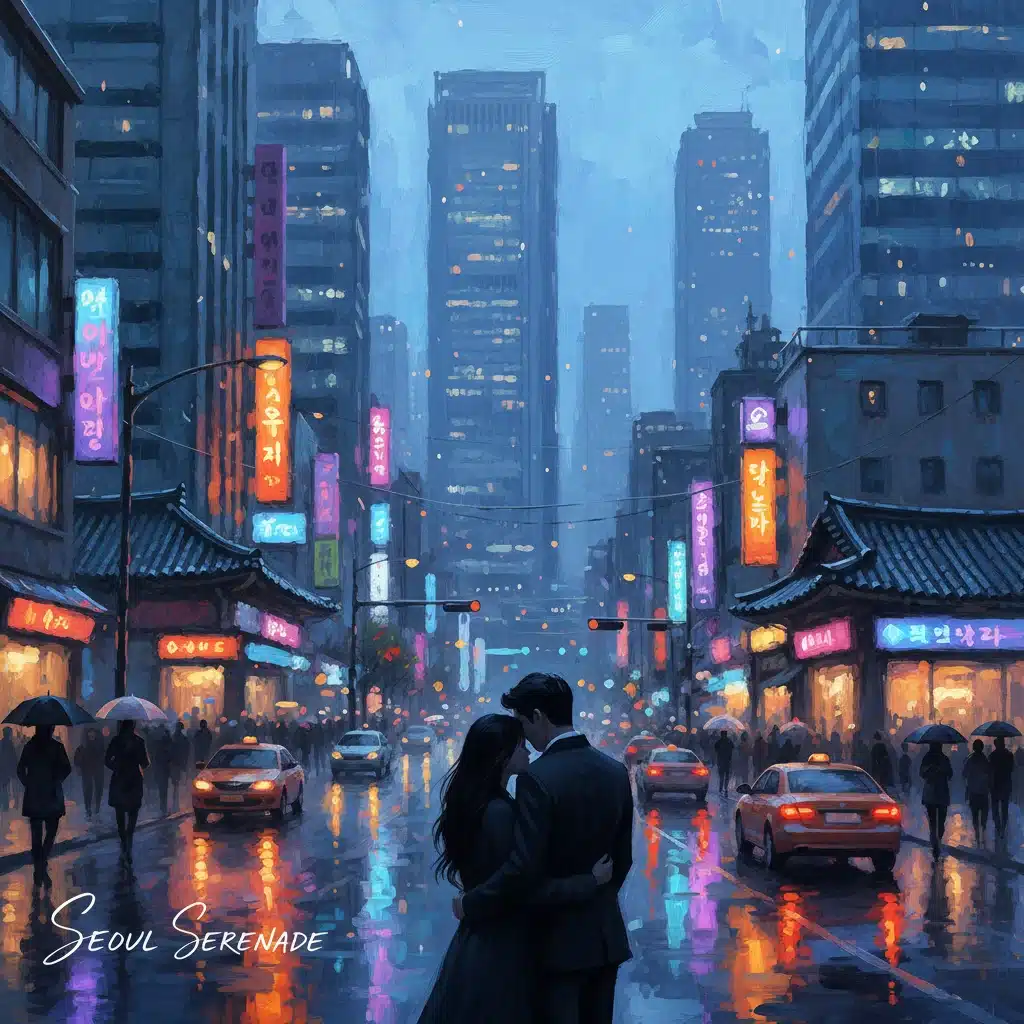
The film’s title itself, ‘Seoul Serenade’, evokes a sense of poetic longing and urban romance, perfectly encapsulating the mood and setting. A serenade, traditionally a musical composition performed for a lover, here takes on a broader meaning, representing the city’s song to its inhabitants, a melody of hope and despair, tradition and modernity. This metaphorical richness is a hallmark of Kim Min-joon’s directorial style, where every element, from the dialogue to the visual composition, serves a deeper purpose. As we continue our Seoul Serenade review, we will explore how these elements contribute to the film’s overall impact.
Plot and Narrative Structure: A Symphony of Emotions
At its core, ‘Seoul Serenade’ is a love story, but one that transcends the typical romantic drama tropes. Jae-hyun, a struggling jazz musician haunted by a past tragedy, finds solace in the bustling night markets of Seoul. Seo-yeon, a driven architect grappling with familial expectations and societal pressures, seeks freedom amidst the city’s towering skyscrapers. Their paths cross serendipitously, leading to an immediate, undeniable connection. However, their budding romance is continuously tested by external forces and their own internal struggles, painting a realistic, often heartbreaking, portrait of modern relationships.
The narrative structure of ‘Seoul Serenade’ is non-linear, employing flashbacks and flash-forwards to gradually reveal the characters’ backstories and the intricate web of events that led them to their present circumstances. This technique, while potentially disorienting in less skilled hands, is masterfully utilized by Kim Min-joon, adding layers of complexity and emotional depth to the story. Each revelation feels earned, meticulously placed to enhance the audience’s understanding of Jae-hyun and Seo-yeon’s motivations and vulnerabilities. This sophisticated storytelling is a key factor in the film’s high regard and a significant point in our Seoul Serenade review.
One of the most compelling aspects of the plot is its exploration of fate versus free will. Are Jae-hyun and Seo-yeon destined to be together, or are their choices the sole determinants of their future? The film subtly explores these philosophical questions without providing easy answers, inviting viewers to ponder the nature of destiny and the power of human agency. This intellectual engagement, combined with the raw emotionality of the performances, creates a truly immersive experience that lingers long after the credits roll.
Performances That Resonate: The Heart of ‘Seoul Serenade’
A film’s success often hinges on the strength of its performances, and ‘Seoul Serenade’ is no exception. Lee Jin-woo as Jae-hyun delivers a career-defining performance, embodying the character’s melancholic charm and artistic sensitivity with remarkable authenticity. His portrayal of a man grappling with grief while desperately clinging to hope is both nuanced and powerful, drawing audiences into his emotional journey. His jazz compositions, some of which he performs himself, add another layer of authenticity to his character, making him incredibly relatable.
Park Eun-ji, as Seo-yeon, is equally captivating. Her ability to convey strength, vulnerability, and quiet determination makes Seo-yeon a complex and compelling protagonist. Park’s chemistry with Lee Jin-woo is palpable, creating a believable and deeply moving on-screen romance. Their interactions, from hesitant glances to passionate declarations, feel genuine, a testament to their exceptional acting prowess and the director’s guidance. This synergy between the lead actors is undoubtedly a major contributor to the film’s 9.2 IMDb rating and a central focus of this Seoul Serenade review.
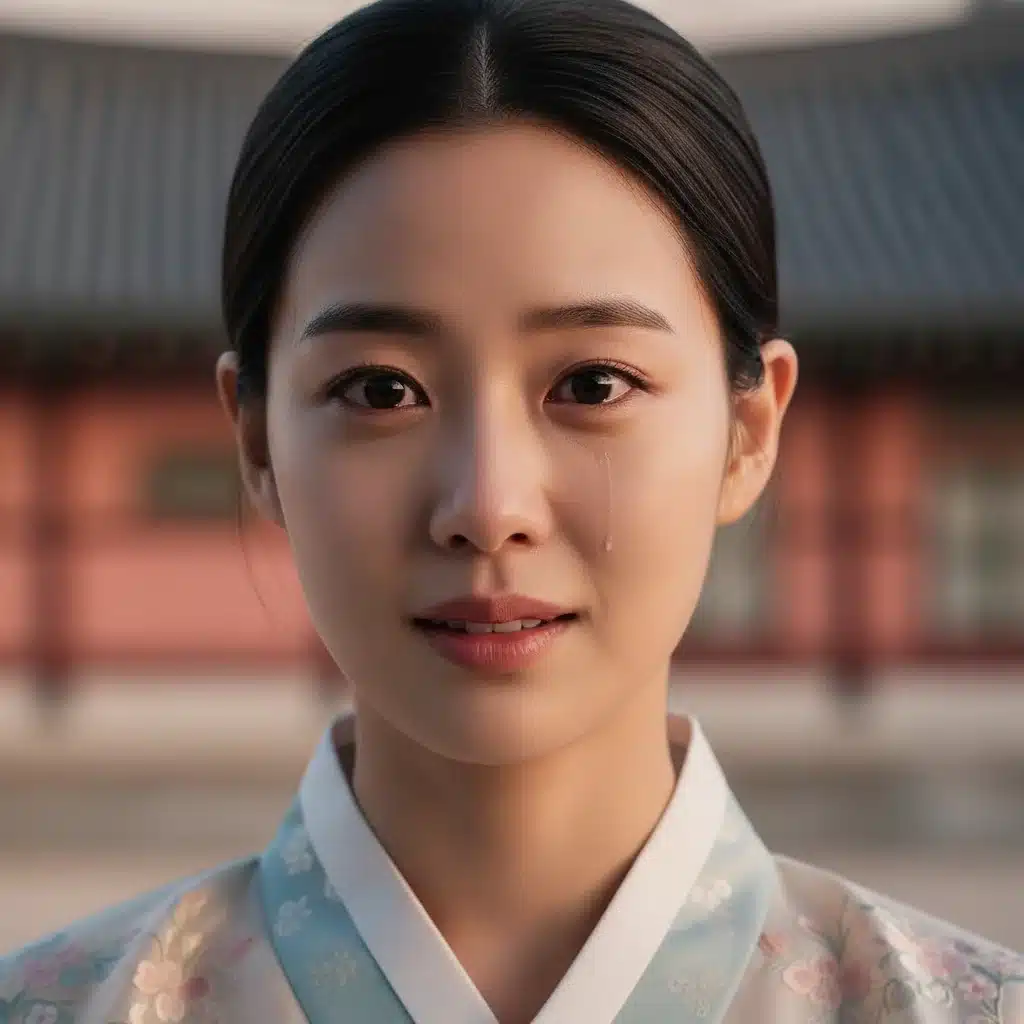
The supporting cast also deserves immense credit for their contributions. From the quirky owner of the jazz club where Jae-hyun performs to Seo-yeon’s traditionalist grandmother, each character feels fully realized and integral to the narrative. They provide comic relief, dramatic tension, and crucial emotional support, enriching the film’s world and making it feel lived-in and authentic. The ensemble’s collective performance elevates ‘Seoul Serenade’ beyond a simple love story, transforming it into a rich tapestry of human experience.
Direction and Cinematography: A Visual Masterpiece
Kim Min-joon’s direction in ‘Seoul Serenade’ is nothing short of masterful. He orchestrates every scene with precision, balancing grand cinematic sweeps with intimate, character-driven moments. His eye for detail is evident in every frame, from the careful composition of shots to the subtle use of color and light to convey mood and emotion. The pacing is deliberate, allowing the story to unfold naturally, giving audiences time to absorb the emotional weight of each scene. This meticulous approach to filmmaking is a hallmark of truly great cinema and a key element we highlight in our Seoul Serenade review.
The cinematography by Lee Hwa-young is breathtaking. Seoul itself becomes a character in the film, captured in all its vibrant glory and melancholic beauty. The city’s iconic landmarks, from the neon-lit streets of Myeongdong to the serene Han River, are showcased with stunning visual flair. Lee Hwa-young utilizes a combination of wide-angle shots to capture the city’s grandeur and intimate close-ups to emphasize the characters’ emotional states. The use of natural light, particularly during the golden hour, creates a warm, ethereal glow that imbues many scenes with a dreamlike quality, enhancing the film’s romantic and poignant atmosphere.
One particularly striking aspect is the film’s visual symbolism. Recurring motifs, such as reflections in puddles or the silhouette of Namsan Tower against the night sky, are used to underscore thematic elements like introspection, longing, and the passage of time. These visual metaphors are seamlessly integrated into the narrative, adding layers of meaning without feeling overly didactic. It’s this kind of artistic sophistication that sets ‘Seoul Serenade’ apart and contributes significantly to its critical acclaim and high IMDb rating. This visual poetry is a crucial part of what makes the Seoul Serenade review so positive.
Soundtrack and Score: The Soul of the Serenade
The musical score of ‘Seoul Serenade’, composed by the renowned Ryu Sang-hoon, is an integral part of the film’s emotional landscape. It’s a hauntingly beautiful blend of traditional Korean instruments and contemporary jazz melodies, perfectly mirroring the film’s themes of tradition and modernity, and Jae-hyun’s character as a jazz musician. The music is not merely background; it acts as a narrative voice, enhancing the emotional impact of key scenes and guiding the audience through the characters’ inner worlds.
Jae-hyun’s original jazz compositions, performed by Lee Jin-woo, are particularly noteworthy. They are raw, soulful, and deeply personal, reflecting his struggles and aspirations. These musical interludes are seamlessly woven into the narrative, serving as moments of introspection and emotional release. The soundtrack also features a carefully curated selection of contemporary Korean ballads, each song chosen to amplify the mood and provide cultural context. The auditory experience of ‘Seoul Serenade’ is as rich and nuanced as its visual storytelling, making it a truly immersive cinematic journey. The soundtrack’s excellence is a significant highlight in any thorough Seoul Serenade review.
Themes and Cultural Impact: Beyond the Screen
‘Seoul Serenade’ explores a multitude of profound themes that resonate universally. At its heart, it’s a story about the enduring power of love in the face of adversity. However, it also delves into complex issues such as grief, societal expectations, the pursuit of artistic passion, and the ever-present tension between tradition and progress in a rapidly modernizing society. The film’s nuanced portrayal of these themes allows for a multi-layered interpretation, inviting audiences to reflect on their own experiences and beliefs.
The cultural impact of ‘Seoul Serenade’ has been immense, both domestically and internationally. In South Korea, it has sparked numerous discussions about mental health, the pressures faced by young professionals, and the preservation of cultural heritage. Globally, it has further solidified the position of Korean cinema as a powerhouse of artistic innovation and storytelling. The film has been praised for its authentic representation of Korean culture, showcasing its beauty and complexity to a worldwide audience without resorting to stereotypes. This global resonance is a testament to its universal appeal and a crucial aspect of understanding its 9.2 IMDb rating.
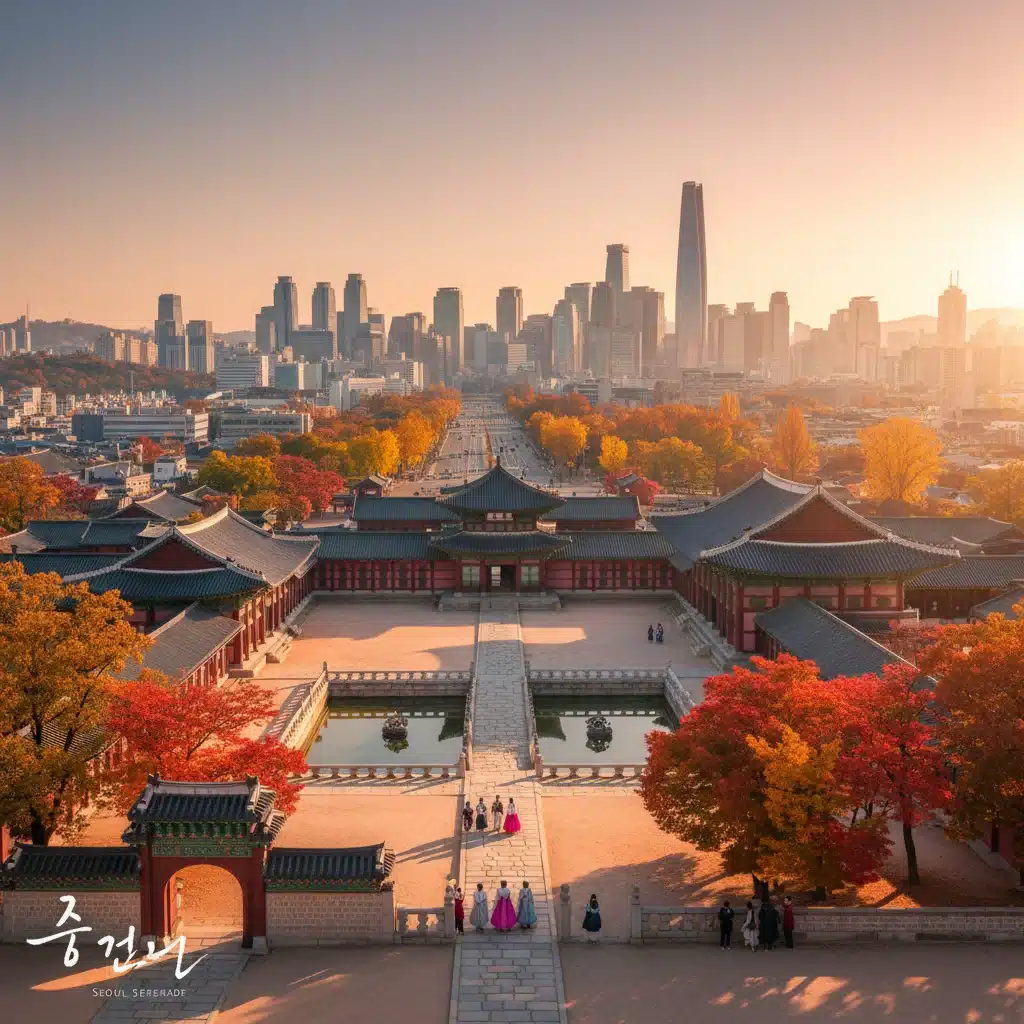
Furthermore, ‘Seoul Serenade’ has ignited a renewed interest in Korean jazz music and independent cinema, inspiring a new generation of artists and filmmakers. Its success demonstrates that audiences are hungry for stories that are emotionally intelligent, visually stunning, and culturally rich. This widespread influence extends beyond mere entertainment, fostering cultural exchange and understanding. Our Seoul Serenade review recognizes its significant contribution to the global cinematic landscape.
Critical Reception and Audience Response: The 9.2 IMDb Rating Explained
The 9.2 IMDb rating is a powerful indicator of the film’s exceptional reception, but what exactly does it signify? It’s a reflection of near-unanimous critical acclaim and overwhelming positive audience feedback. Critics have lauded ‘Seoul Serenade’ as a masterpiece, praising its intricate screenplay, superb direction, and captivating performances. Many have highlighted its ability to evoke deep emotional responses, describing it as both heart-wrenching and ultimately hopeful. Reviewers have particularly commended its fresh approach to storytelling and its refusal to conform to conventional genre expectations.
Audience response has been equally fervent. Social media platforms are awash with discussions, fan theories, and emotional testimonials about the film’s impact. Viewers have praised its relatable characters, its stunning visuals, and its profound emotional depth. The film’s ability to transcend cultural barriers and connect with people from diverse backgrounds is a testament to its universal themes and exceptional execution. The 9.2 IMDb rating is not just a number; it’s a collective affirmation of the film’s artistic merit and its profound connection with its audience. This widespread adoration is a central theme in every Seoul Serenade review.
However, it’s also important to acknowledge that no film is universally loved. While the vast majority of feedback has been positive, some minor criticisms have surfaced, primarily concerning the pacing in certain sections or the perceived ambiguity of its ending. Yet, even these critiques often acknowledge the film’s overall brilliance, positioning them as minor quibbles rather than fundamental flaws. The consensus remains overwhelmingly positive, justifying the impressive IMDb score.
Comparing ‘Seoul Serenade’ to Other Highly Rated Films
To truly appreciate the significance of a 9.2 IMDb rating, it’s useful to compare ‘Seoul Serenade’ to other films that have achieved similar acclaim. Films like ‘The Shawshank Redemption’, ‘The Godfather’, and ‘Pulp Fiction’ occupy the upper echelons of IMDb’s rankings, representing benchmarks of cinematic excellence. While ‘Seoul Serenade’ hails from a different cultural context and genre, it shares several characteristics with these classics: exceptional storytelling, unforgettable characters, groundbreaking direction, and a lasting cultural impact.
What sets ‘Seoul Serenade’ apart, perhaps, is its unique blend of traditional narrative elements with a distinctly modern sensibility. It manages to be both timeless and contemporary, appealing to a broad spectrum of viewers. Its exploration of universal human emotions, filtered through a specific cultural lens, allows it to transcend geographical boundaries and connect with audiences on a deeply personal level. This ability to resonate globally while maintaining its authentic cultural identity is a key factor in its success and a point of distinction we emphasize in this Seoul Serenade review.
The Legacy of ‘Seoul Serenade’: What Comes Next?
As ‘Seoul Serenade’ continues its triumphant run, questions naturally arise about its lasting legacy. Will it be remembered as a fleeting sensation, or will it endure as a timeless classic? Given its critical acclaim, audience adoration, and profound cultural impact, it’s highly probable that ‘Seoul Serenade’ will be studied and celebrated for years to come. It has already set a new benchmark for Korean cinema and demonstrated the power of emotionally rich, visually stunning storytelling.
The film’s success is likely to pave the way for more diverse and ambitious projects from South Korea, further enriching the global cinematic landscape. It serves as an inspiration for aspiring filmmakers and a testament to the power of artistic vision. The discussions it has sparked, the emotions it has evoked, and the cultural bridges it has built are all indicators of a film that has transcended mere entertainment to become a significant cultural phenomenon. This Seoul Serenade review concludes that its legacy is already being cemented.
Conclusion: Does ‘Seoul Serenade’ Live Up to the Hype?
After a thorough examination of its plot, performances, direction, cinematography, soundtrack, and cultural impact, our Seoul Serenade review unequivocally concludes that the film not only lives up to its hype but arguably surpasses it. The 9.2 IMDb rating, while astonishing, is a well-deserved recognition of a truly exceptional piece of cinema. ‘Seoul Serenade’ is a film that challenges, moves, and inspires, leaving an indelible mark on its audience.
It is a testament to the collaborative genius of its cast and crew, particularly director Kim Min-joon, that such a complex and emotionally resonant story could be told with such grace and power. ‘Seoul Serenade’ is not just a film; it’s an experience, a journey into the heart of human emotion and the vibrant soul of Seoul. If you haven’t yet experienced this cinematic masterpiece, now is the time to discover why it has captivated the world and earned its place among the highest-rated films of our time. It’s a serenade you won’t soon forget.