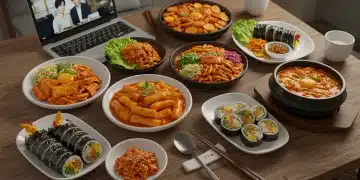
Master Korean Cuisine: 3 Essential Dishes for K-Pop Fans
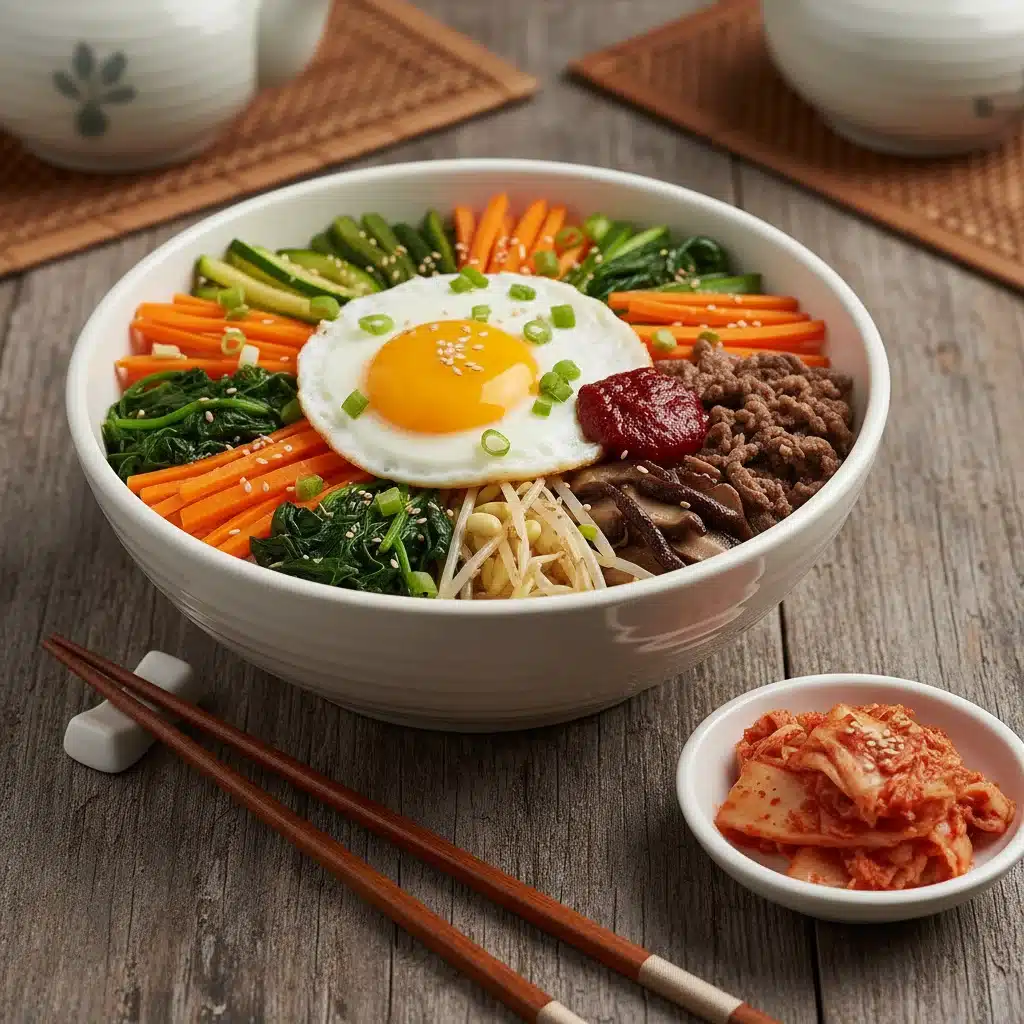
Anúncios
Master Korean Cuisine: 3 Essential Dishes for US K-Pop Fans by Summer 2026
Are you a devoted K-Pop fan in the US, dreaming of a deeper connection to Korean culture? Beyond the mesmerizing music and captivating dramas, Korean cuisine offers an incredibly rich and flavorful journey. Imagine being able to whip up your favorite dishes, just like you’ve seen your idols enjoy on variety shows! This guide is designed specifically for you. By Summer 2026, you can proudly master three essential Korean Dishes K-Pop fans absolutely must know: Bibimbap, Tteokbokki, and Kimchi Jjigae. These aren’t just meals; they are gateways to understanding the heart and soul of Korea. Let’s embark on this delicious adventure!
Anúncios
Why Korean Cuisine? More Than Just Food
For many K-Pop fans, the journey into Korean culture begins with music, but it quickly expands to include language, fashion, and, inevitably, food. Korean food is not just sustenance; it’s an experience. It’s about sharing, community, and a balance of flavors that tantalize the palate. From the spicy kick of gochujang to the comforting warmth of a hearty stew, each dish tells a story. Mastering these Korean Dishes K-Pop fans adore means you’re not just cooking; you’re participating in a cultural exchange, bringing a piece of Korea into your home.
Anúncios
The global phenomenon of Hallyu, or the Korean Wave, has brought Korean culture to unprecedented heights, and food is a significant pillar of this wave. Shows like ‘Youn’s Kitchen’ and numerous idol mukbangs have showcased the deliciousness and diversity of Korean food, sparking curiosity and cravings worldwide. As a K-Pop fan, learning to cook these dishes allows you to deepen your appreciation, impress your friends, and even host your own K-Pop themed dinner parties. It’s a skill that will enrich your life and connect you further with the culture you love.
Furthermore, cooking at home gives you control over ingredients, allowing you to tailor dishes to your taste and dietary needs. This guide will provide you with the foundational knowledge and practical steps to confidently prepare these three iconic dishes, ensuring that by Summer 2026, you’ll be a true master of Korean Dishes K-Pop fans crave.
Dish 1: Bibimbap – The Harmonious Mixed Rice Bowl
What is Bibimbap?
Bibimbap, meaning "mixed rice," is arguably one of Korea’s most visually appealing and beloved dishes. It’s a bowl of warm white rice topped with an array of sautéed and seasoned vegetables (namul), often beef or tofu, a raw or fried egg, and a dollop of spicy gochujang (Korean chili paste). The beauty of Bibimbap lies in its versatility and the harmonious blend of flavors and textures when everything is mixed together.
The Cultural Significance of Bibimbap
Historically, Bibimbap was a meal prepared on the eve of the Lunar New Year (Seollal) to clear out leftover side dishes before the new year’s cooking began. Today, it symbolizes harmony and balance, both in its ingredients and in the act of mixing them. Each component represents a different color and nutritional aspect, making it a complete and wholesome meal. For K-Pop fans, Bibimbap often appears in dramas and reality shows, making it a familiar and comforting sight. Learning to make this foundational Korean Dishes K-Pop fans love is a fantastic starting point.
Ingredients for a Classic Bibimbap (Serves 2)
- 2 cups cooked short-grain white rice
- 100g beef sirloin or firm tofu, thinly sliced
- 1 cup spinach, blanched
- 1 cup mung bean sprouts, blanched
- 1 cup shiitake mushrooms, sliced
- 1 carrot, julienned
- 1 zucchini, julienned
- 2 eggs
- 2 tbsp gochujang (Korean chili paste)
- 1 tbsp sesame oil
- 1 tbsp soy sauce
- 1 tsp minced garlic
- Salt and pepper to taste
- Optional: sesame seeds for garnish
Step-by-Step Bibimbap Recipe
- Prepare the Rice: Cook your short-grain white rice according to package directions. Keep it warm.
- Season the Meat/Tofu: If using beef, marinate with 1 tsp soy sauce, 1/2 tsp minced garlic, and a pinch of black pepper for 15 minutes. If using tofu, press out excess water, slice, and pan-fry until golden.
- Sauté the Vegetables (Namul):
- Spinach: Blanch spinach quickly, squeeze out water, and season with 1/2 tsp sesame oil, 1/4 tsp minced garlic, and a pinch of salt.
- Mung Bean Sprouts: Blanch sprouts, drain, and season with 1/2 tsp sesame oil, 1/4 tsp minced garlic, and a pinch of salt.
- Carrots & Zucchini: Lightly sauté julienned carrots and zucchini separately in a pan with a tiny bit of oil until tender-crisp. Season with a pinch of salt.
- Shiitake Mushrooms: Sauté sliced mushrooms until tender. Season with a dash of soy sauce and a pinch of pepper.
- Cook the Protein: If using beef, stir-fry in a lightly oiled pan until cooked through.
- Cook the Eggs: Fry or prepare eggs sunny-side up, leaving the yolk runny if desired, or make a simple fried egg.
- Assemble the Bowl: In a large bowl, place a generous portion of warm rice. Artfully arrange each seasoned vegetable, the cooked meat/tofu, and the fried egg on top of the rice.
- Add Gochujang: Place a dollop of gochujang in the center.
- Serve and Mix: Drizzle with a little extra sesame oil and sprinkle with sesame seeds if desired. Serve immediately and instruct diners to mix all the ingredients thoroughly before eating.
Tips for Perfect Bibimbap
- Fresh Ingredients: The key to great Bibimbap is fresh, vibrant vegetables.
- Season Individually: Seasoning each vegetable separately ensures distinct flavors that blend beautifully when mixed.
- Hot Stone Bowl (Dolsot Bibimbap): For an authentic experience, serve in a preheated stone bowl (dolsot) to create a crispy rice crust at the bottom.
- Adjust Spice: You can adjust the amount of gochujang to your spice preference.
By practicing Bibimbap, you’re not just making a meal; you’re embracing the art of balance and flavor that defines many Korean Dishes K-Pop fans adore. This dish is forgiving and customizable, making it perfect for beginners.
Dish 2: Tteokbokki – The Spicy Street Food Sensation
What is Tteokbokki?
Tteokbokki, or spicy rice cakes, is perhaps the most iconic Korean street food. It consists of chewy cylindrical rice cakes (tteok) cooked in a fiery, sweet, and savory gochujang-based sauce, often with fish cakes (eomuk), boiled eggs, and green onions. It’s a dish that embodies comfort, spice, and pure satisfaction, especially during colder weather or as a late-night snack.
The Cultural Significance of Tteokbokki
Tteokbokki has evolved from a royal court dish to the quintessential street food it is today. It’s a symbol of youth culture, often depicted in K-dramas as a go-to snack for students and friends. Its addictive spicy-sweet flavor profile makes it incredibly popular. If you’ve ever seen your favorite K-Pop idol enjoying a steaming plate of Tteokbokki, you know the appeal. Mastering this dish is a rite of passage for any fan wanting to truly experience Korean Dishes K-Pop culture offers.
Ingredients for Classic Tteokbokki (Serves 2-3)
- 500g Korean cylindrical rice cakes (tteok), soaked in warm water for 10-15 minutes if frozen or hard
- 200g Korean fish cakes (eomuk), cut into triangles or strips
- 2-3 cups anchovy broth or water
- 2 hard-boiled eggs (optional)
- 1/2 onion, thinly sliced
- 2 green onions, cut into 2-inch pieces
- Sauce:
- 3-4 tbsp gochujang (Korean chili paste)
- 1 tbsp gochugaru (Korean chili flakes) – adjust to spice preference
- 1-2 tbsp sugar (or corn syrup/oligodang)
- 1 tbsp soy sauce
- 1 tsp minced garlic
Step-by-Step Tteokbokki Recipe
- Prepare Rice Cakes: If using fresh rice cakes, simply separate them. If frozen or hard, soak them in warm water for 10-15 minutes until softened, then drain.
- Prepare Fish Cakes: Cut fish cakes into desired shapes.
- Make the Sauce: In a bowl, combine gochujang, gochugaru, sugar, soy sauce, and minced garlic. Mix well until smooth.
- Simmer the Broth: In a large pan or pot, add anchovy broth (or water) and bring to a simmer over medium heat.
- Add Sauce and Vegetables: Add the prepared sauce mixture and sliced onions to the simmering broth. Stir until the sauce is fully dissolved.
- Add Rice Cakes and Fish Cakes: Add the softened rice cakes and fish cakes to the pot. Stir gently to coat them in the sauce.
- Cook: Bring the mixture to a boil, then reduce heat to medium-low and simmer for 10-15 minutes, stirring occasionally, until the rice cakes are tender and chewy, and the sauce has thickened to your desired consistency.
- Add Garnish: Stir in the green onions and hard-boiled eggs (if using) during the last few minutes of cooking.
- Serve: Serve hot, garnished with extra green onions or a sprinkle of sesame seeds if desired.
Tips for Perfect Tteokbokki
- Broth is Key: Using a good anchovy broth (dashi) adds depth of flavor, but plain water works in a pinch.
- Don’t Overcook Rice Cakes: They should be chewy, not mushy.
- Adjust Sweetness/Spiciness: Feel free to adjust the sugar and gochugaru to match your taste.
- Add-ins: Experiment with ramen noodles (rabokki), cheese, or mandu (dumplings) for extra deliciousness.
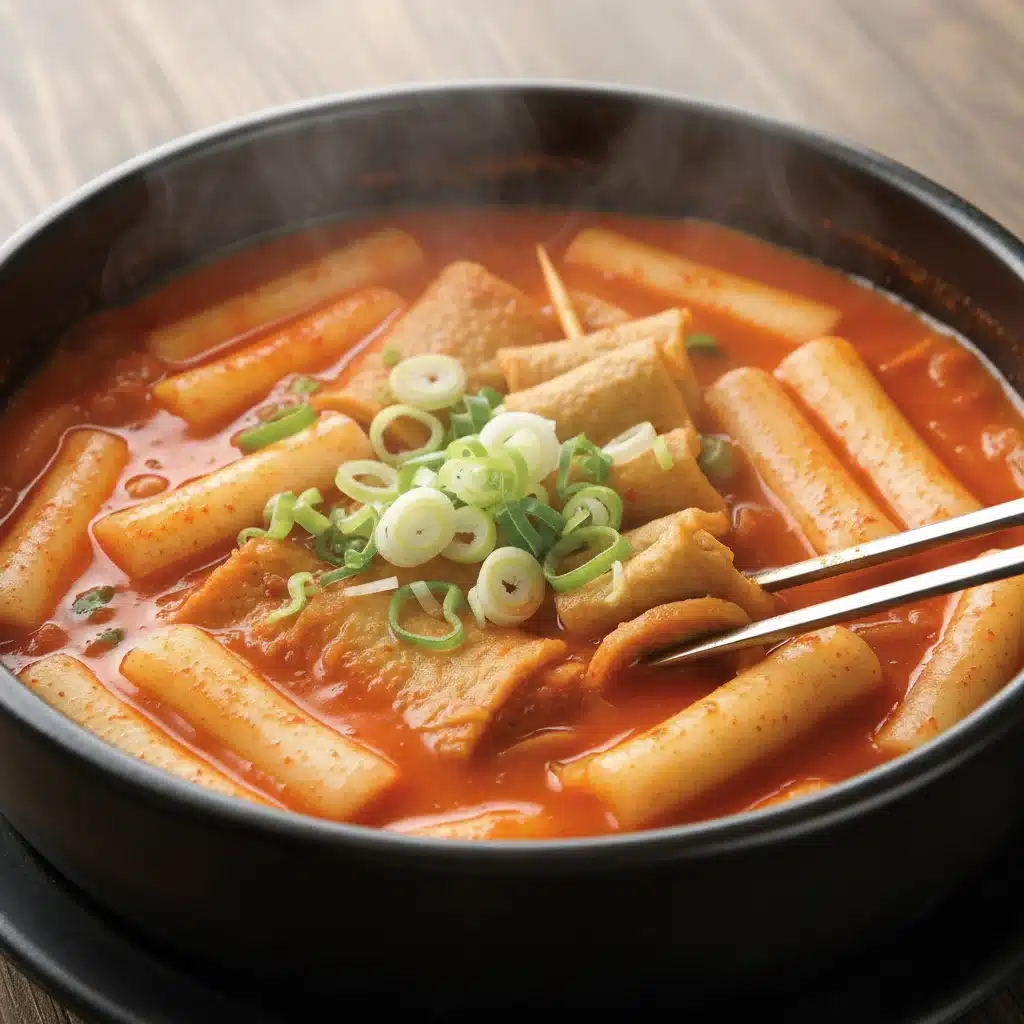
Tteokbokki is an incredibly satisfying dish that you’ll find yourself craving often. Mastering it will make you a true connoisseur of Korean Dishes K-Pop culture has popularized.
Dish 3: Kimchi Jjigae – The Heartwarming Kimchi Stew
What is Kimchi Jjigae?
Kimchi Jjigae is a quintessential Korean stew, beloved for its spicy, savory, and deeply comforting qualities. Made primarily with aged kimchi, tofu, pork (or other proteins like tuna or beef), and various vegetables, it’s a staple in Korean homes and restaurants. It’s often served bubbling hot in a traditional earthenware pot (tteokbaegi) with a bowl of rice and other banchan (side dishes).
The Cultural Significance of Kimchi Jjigae
Kimchi Jjigae is more than just a stew; it’s a symbol of Korean comfort food. It’s the dish people turn to on a cold day, when they need a pick-me-up, or simply for a satisfying meal. Kimchi, the national dish of Korea, is at its best when fermented, and this stew is the perfect way to utilize slightly older, sour kimchi, transforming it into something incredibly delicious. Many K-Pop idols have spoken about their love for kimchi jjigae, making it a highly aspirational dish for fans to master. By learning this, you’re embracing a core part of the Korean Dishes K-Pop connection.
Ingredients for Classic Kimchi Jjigae (Serves 2-3)
- 2 cups aged kimchi, cut into bite-sized pieces
- 150-200g pork belly or shoulder, thinly sliced (or canned tuna/firm tofu for vegetarian option)
- 1/2 block firm or soft tofu, cut into cubes
- 1/2 onion, sliced
- 2-3 green onions, sliced (white and green parts separated)
- 2-3 cups anchovy broth or water
- 1 tbsp gochugaru (Korean chili flakes) – adjust to taste
- 1 tbsp gochujang (Korean chili paste)
- 1 tbsp soy sauce
- 1 tsp minced garlic
- 1 tsp sesame oil (for finishing)
Step-by-Step Kimchi Jjigae Recipe
- Sauté Pork/Kimchi: In a medium pot or tteokbaegi (earthenware pot), add a tiny bit of oil (if using lean pork, otherwise pork belly will render its own fat). Sauté the pork belly (or other protein) until lightly browned.
- Add Kimchi: Add the cut kimchi to the pot and sauté with the pork for 5-7 minutes, stirring occasionally. This step is crucial for developing deep flavor.
- Add Seasonings: Stir in gochugaru, gochujang, soy sauce, and minced garlic. Continue to sauté for another minute, allowing the flavors to meld.
- Add Broth: Pour in the anchovy broth (or water). Bring the stew to a boil, then reduce the heat to medium-low.
- Simmer: Add the sliced onions and white parts of the green onions. Let the stew simmer for at least 15-20 minutes, or longer for deeper flavor. The longer it simmers, the richer it becomes.
- Add Tofu: Gently add the cubed tofu during the last 5-10 minutes of simmering. Avoid stirring too vigorously to prevent breaking the tofu.
- Finish: Taste and adjust seasonings if necessary. Stir in the green parts of the green onions and a drizzle of sesame oil just before serving.
- Serve: Serve hot with a bowl of freshly cooked rice and any other banchan.
Tips for Perfect Kimchi Jjigae
- Aged Kimchi is Best: The sourer the kimchi, the more flavorful the stew. If your kimchi isn’t very sour, you can add a small amount of vinegar or a pinch of sugar to balance the flavors.
- Pork Belly for Flavor: Pork belly adds incredible richness, but other proteins or even just mushrooms can be used.
- Don’t Skimp on Simmering: Allowing the stew to simmer for a good amount of time really brings out the depth of flavor.
- Serve Hot: Kimchi Jjigae is best enjoyed piping hot.
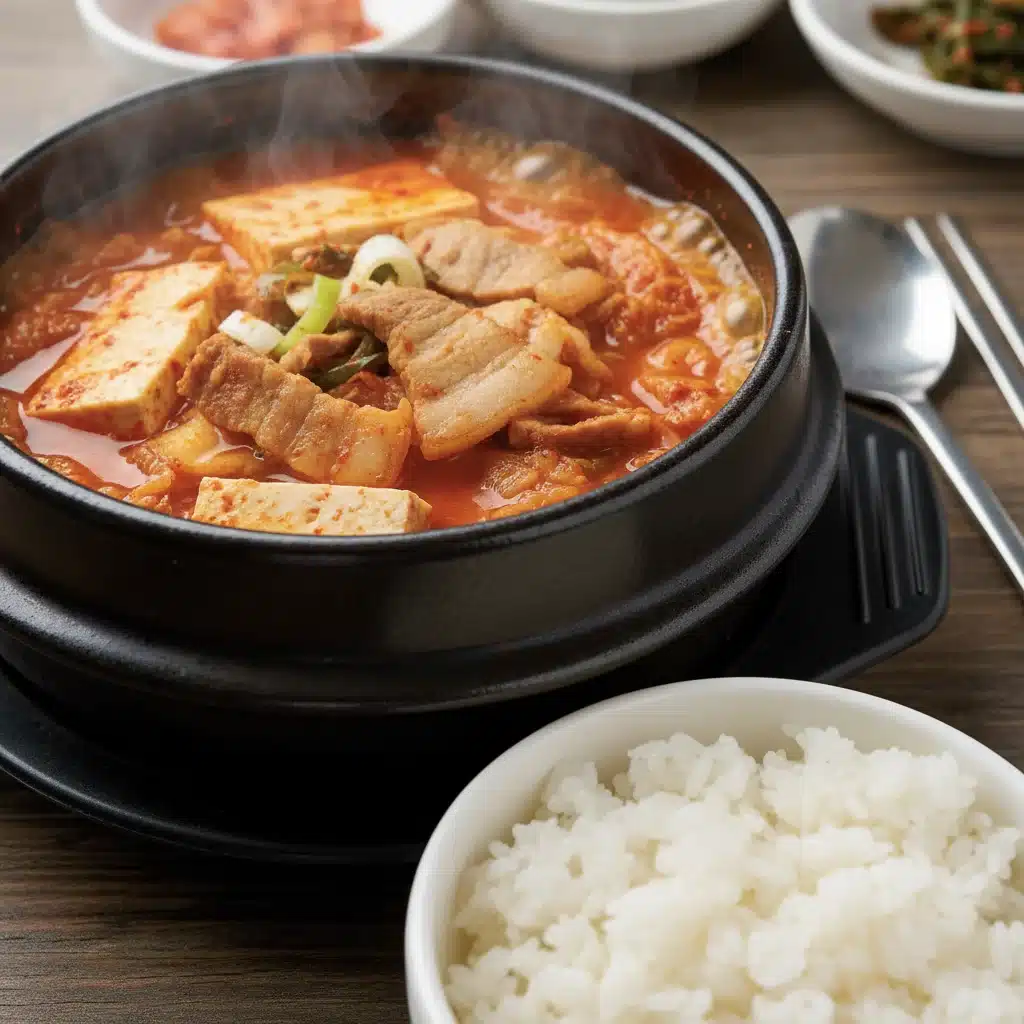
Kimchi Jjigae is the ultimate comfort food, and mastering it will solidify your status as a true admirer of Korean Dishes K-Pop culture reveres.
Beyond the Recipes: Embracing Korean Food Culture
Mastering these three essential Korean Dishes K-Pop fans should know is just the beginning of your culinary journey. Korean food culture is deeply rooted in communal dining, balance, and respect for ingredients. Here are some ways to further immerse yourself:
- Banchan (Side Dishes): Korean meals are rarely complete without an array of banchan. While not covered in detail here, try making simple ones like seasoned seaweed (gim), pickled radishes, or even just buying pre-made banchan from a Korean grocery store.
- Korean Groceries: Explore your local Korean grocery store (or order online). This is where you’ll find authentic ingredients like specific brands of gochujang, gochugaru, fish cakes, and fresh kimchi. Don’t be intimidated; store employees are often happy to help!
- Dining Etiquette: While less strict at home, understanding basic Korean dining etiquette (like using chopsticks and a spoon, not lifting your rice bowl, and pouring drinks for elders) can enhance your appreciation.
- Pairing with Drinks: Korean food pairs wonderfully with traditional drinks like soju or makgeolli, or even just a cold barley tea.
- Share Your Creations: Korean food is meant to be shared. Invite fellow K-Pop fans over for a Korean dinner party and showcase your newly acquired skills!
By Summer 2026, you will not only have the recipes down but also a deeper understanding and appreciation for the culinary traditions that run parallel to the K-Pop world you love. Cooking these Korean Dishes K-Pop fans cherish is a tangible way to connect with the culture and bring its vibrant flavors into your everyday life.
Your Culinary Journey to Summer 2026
The goal is clear: by Summer 2026, you, a dedicated US K-Pop fan, will be confidently preparing Bibimbap, Tteokbokki, and Kimchi Jjigae. This isn’t an impossible feat; it’s a rewarding project that combines your passion for K-Pop with the joy of cooking and cultural exploration. Start with one dish, master it, then move to the next. Don’t be afraid to experiment, make mistakes, and learn along the way. The journey itself is as delicious as the destination.
Imagine the pride of serving a perfectly mixed Bibimbap, a steaming bowl of spicy Tteokbokki, or a comforting Kimchi Jjigae to your friends and family. You’ll not only satisfy your cravings but also share a piece of the vibrant Korean culture that has captured your heart. So, gather your ingredients, put on your favorite K-Pop playlist, and get ready to cook. Your kitchen is about to become a hub of delicious, authentic Korean Dishes K-Pop fans will envy!