K-Pop Album Sales in the U.S.: Physical vs. Digital Trends 2025

The first half of 2025 reveals a fascinating dynamic in K-Pop album sales in the U.S., with physical formats maintaining a strong lead while digital platforms show nuanced growth amidst evolving fan engagement and strategic artist promotions.
The landscape of K-Pop US sales trends in the American market continues to evolve at a rapid pace, reflecting both global shifts in music consumption and the unique dynamics of the K-Pop fandom. As we delve into a 6-month review of K-Pop album sales in the U.S. for the first half of 2025, a critical comparison between physical and digital trends emerges, offering invaluable insights into fan behavior and industry strategies.
Understanding the K-Pop Phenomenon in the U.S. Market
K-Pop’s ascendancy in the United States is no longer a niche phenomenon but a formidable force shaping the global music industry. The genre’s unique blend of captivating music, intricate choreography, and deep fan engagement has cultivated a dedicated listener base. This section explores the fundamental elements driving K-Pop’s continued growth and its specific impact on album sales within the American landscape.
The U.S. market, traditionally dominated by Western artists, has increasingly embraced K-Pop, with groups consistently topping charts and breaking records. This success isn’t just about catchy tunes; it’s a testament to the comprehensive strategies employed by K-Pop agencies, focusing on high-quality production, innovative marketing, and fostering strong fan communities.
Key Drivers of K-Pop’s U.S. Success
- Global Accessibility: Digital platforms and social media have made K-Pop accessible to a worldwide audience, breaking down geographical barriers.
- Fandom Culture: K-Pop’s emphasis on fan interaction, exclusive content, and community building creates fiercely loyal fanbases.
- Strategic Collaborations: Partnerships with Western artists and producers have broadened K-Pop’s appeal and introduced it to new audiences.
- High Production Value: Visually stunning music videos and meticulously crafted albums elevate the overall artistic experience.
The sustained interest in K-Pop in the U.S. highlights a market that values not just the music itself, but the entire cultural experience surrounding it. This comprehensive approach directly influences how fans choose to consume music, whether through purchasing physical albums or engaging with digital formats.
Physical Album Sales: The Enduring Appeal of Tangible Collectibles
Despite the pervasive shift towards digital music consumption, physical album sales remain a cornerstone of the K-Pop industry, especially within the U.S. market. For the first six months of 2025, data indicates a robust performance for physical albums, showcasing their unique value proposition to fans. This section delves into the reasons behind this enduring appeal and the specific trends observed.
K-Pop physical albums are much more than just a collection of songs; they are carefully curated packages that often include photo books, photocards, posters, and other exclusive merchandise. This makes them highly desirable collectibles, fostering a sense of ownership and connection for fans. The unboxing experience itself has become a significant ritual, widely shared across social media platforms.
What Drives Physical Album Purchases?
- Collectibility: Limited edition versions, unique packaging, and rare inclusions make physical albums highly sought after.
- Fan Support: Purchasing physical albums is a direct way for fans to support their favorite artists, contributing to chart rankings and recognition.
- Exclusive Content: Many albums come with exclusive content like signed items or unique photo cards, enhancing their value.
- Community Aspect: Trading photocards and discussing album designs fosters a strong sense of community among fans.
The strong performance of physical K-Pop albums in the U.S. during the first half of 2025 underscores that for many fans, the tactile experience and the sense of personal connection outweigh the convenience of digital alternatives. This trend highlights a unique aspect of K-Pop fandom that continues to defy broader industry norms.
Digital Music Consumption: Streaming’s Dominance and Download Trends
While physical album sales hold a special place in K-Pop fandom, digital music consumption, particularly streaming, continues to be the primary mode of music access for the broader U.S. audience. The first six months of 2025 reveal complex trends in digital K-Pop consumption, with streaming numbers soaring while digital downloads show more nuanced patterns. This section explores these digital shifts and their implications.
Streaming platforms offer unparalleled convenience and accessibility, allowing fans to listen to their favorite K-Pop tracks anytime, anywhere. This accessibility has played a crucial role in expanding K-Pop’s reach beyond its dedicated fanbase, introducing new listeners to the genre through curated playlists and algorithmic recommendations. The ability to instantly access new releases is also a significant factor.
The Rise of Streaming and Digital Downloads
- Accessibility: Streaming services make K-Pop readily available to a vast audience, fostering discovery and casual listening.
- Chart Impact: High streaming numbers are crucial for artists to chart on major platforms like Billboard, influencing their visibility and success.
- Digital Downloads: While not as dominant as streaming, digital single and album downloads still contribute significantly, especially for dedicated fans aiming to boost chart performance.
- Global Reach: Digital platforms facilitate K-Pop’s global expansion, enabling artists to connect with fans across continents instantaneously.
The data from early 2025 confirms that digital platforms are indispensable for K-Pop’s growth and sustained popularity in the U.S. While streaming continues to dominate in terms of sheer volume, digital downloads, though smaller, represent a committed segment of the fanbase actively supporting their idols’ chart performance.
Comparative Analysis: Physical vs. Digital Sales Metrics H1 2025
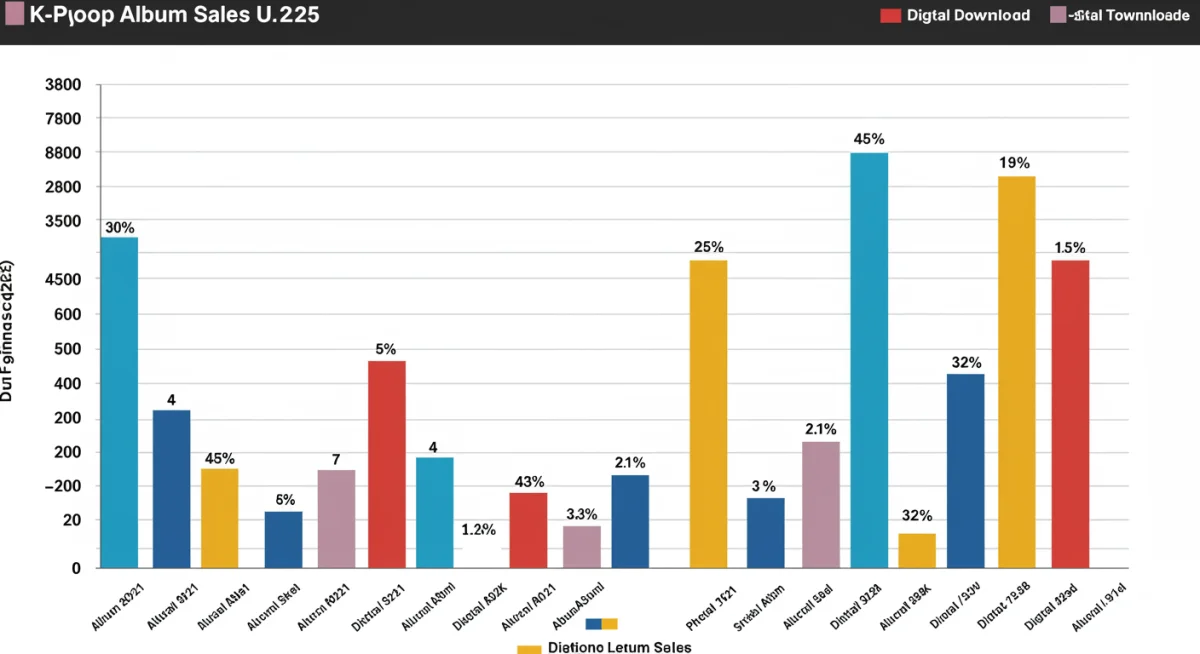
A direct comparison of physical versus digital K-Pop album sales in the U.S. for the first half of 2025 reveals distinct patterns and highlights the complementary roles both formats play. This analysis will scrutinize the volume, revenue, and fan engagement associated with each category, providing a clearer picture of the market dynamics.
During this period, physical album sales demonstrated impressive resilience, often outpacing digital album downloads in terms of pure unit sales, especially for highly anticipated releases. This is largely attributed to the collector’s market and the unique fan culture surrounding K-Pop. However, when considering overall consumption, including track streams, digital platforms command a significantly larger share of listener engagement.
Key Findings from the Comparison
The first six months of 2025 provided clear evidence of the dual-pronged approach K-Pop fans employ. Physical albums, while potentially higher in individual transaction value, cater to a specific, devoted segment of the fanbase. Digital consumption, conversely, represents the broader reach and casual listening habits.
- Physical Dominance in Album Units: Physical albums consistently sold more units than digital album downloads for major K-Pop acts.
- Streaming’s Volume Advantage: Digital streaming accounted for the overwhelming majority of K-Pop track plays and overall listenership.
- Revenue Split: While physical sales generate substantial revenue per unit, the cumulative revenue from digital streaming subscriptions and ad revenue is immense.
- Fan Engagement: Physical sales are driven by deep fan engagement and collectibility, whereas digital is more about accessibility and ease of consumption.
This comparative analysis underscores that both physical and digital formats are crucial for K-Pop’s success in the U.S., each serving different yet equally important aspects of the fandom and broader audience. The synergy between them is what truly propels the genre forward.
Factors Influencing K-Pop Album Sales in the U.S.
Understanding the intricate web of factors that influence K-Pop album sales in the U.S. is crucial for artists, labels, and fans alike. The first half of 2025 showcased several key elements that significantly impacted both physical and digital sales figures. These factors range from artist popularity and comeback strategies to promotional activities and global events.
The success of a K-Pop album in the American market is rarely accidental. It is often the result of meticulous planning, strategic investments, and a deep understanding of the target audience. The interaction between these factors ultimately determines whether an album achieves chart-topping success or struggles to gain traction.
Critical Influencers on Sales Performance
Several elements converge to shape the sales trajectory of K-Pop albums. The visibility and reputation of a group, for instance, play a huge role, but so does the timing and execution of their promotional cycles.
- Artist Popularity and Fandom Size: Established groups with large, active fanbases consistently drive higher sales.
- Comeback Strategy: The timing of releases, pre-order campaigns, and teaser content significantly impacts initial sales.
- Promotional Activities: U.S. tours, media appearances, and collaborations with Western artists boost visibility and sales.
- Album Content and Packaging: The quality of music, visual concepts, and included merchandise directly influence physical album purchases.
- Social Media Engagement: Viral challenges, fan-generated content, and direct artist communication drive hype and sales across both formats.
The interplay of these factors creates a dynamic environment where K-Pop artists must constantly innovate and adapt to capture the attention and spending power of their U.S. fanbase. The first half of 2025 highlighted the importance of a holistic approach to marketing and fan engagement.
Future Outlook: Projections for K-Pop Sales in the U.S. Beyond 2025
As we look beyond the initial six months of 2025, the future of K-Pop album sales in the U.S. appears poised for continued growth and evolution. Projections suggest that while certain trends will solidify, new dynamics are also likely to emerge, requiring adaptability from both artists and the industry. This section offers an informed outlook on what to expect.
The sustained global expansion of K-Pop, coupled with its increasing integration into mainstream American culture, indicates a promising trajectory. However, the industry will need to navigate challenges such as market saturation, evolving fan preferences, and technological advancements to maintain momentum.
Anticipated Trends and Challenges
The landscape is ever-changing, and staying ahead means anticipating shifts in consumer behavior and technological capabilities. Personalized content and immersive experiences are expected to play a larger role.
- Continued Physical Album Strength: The collector’s market for K-Pop physical albums is expected to remain strong, possibly even growing as more fans seek tangible connections.
- Dominance of Streaming: Digital streaming will continue to be the primary gateway for new listeners and the main driver of overall listenership.
- Hybrid Consumption Models: Fans will increasingly adopt hybrid models, purchasing physical albums for collection and using streaming for daily listening.
- Technological Integration: The rise of metaverse concerts, NFTs, and interactive digital content could redefine album releases and fan engagement.
- Increased Localized Content: More K-Pop groups may focus on U.S.-specific promotional activities and content to deepen their penetration in the market.
The future of K-Pop album sales in the U.S. is bright, characterized by a dynamic interplay between traditional and innovative consumption methods. Success will hinge on the industry’s ability to capitalize on both the established loyalty of physical collectors and the vast reach of digital platforms, ensuring K-Pop continues to captivate American audiences.
| Key Trend | Brief Description |
|---|---|
| Physical Album Resilience | Physical K-Pop albums maintained strong sales in H1 2025, driven by collectibility and fan support. |
| Streaming Dominance | Digital streaming continued to be the primary mode of K-Pop consumption and discovery in the U.S. |
| Hybrid Consumption | Fans increasingly combine physical purchases for collecting with digital streaming for daily listening. |
| Strategic Promotions | U.S.-specific tours, media, and collaborations significantly boosted album visibility and sales. |
Frequently Asked Questions About K-Pop U.S. Album Sales
K-Pop physical albums are highly valued for their collectibility. They often include exclusive items like photocards, posters, and elaborate packaging, transforming them into cherished fan memorabilia rather than just music carriers. This unique value proposition drives strong sales among dedicated U.S. fans.
While physical albums cater to collectors, digital sales, especially streaming, are crucial for K-Pop’s broader reach and chart performance in the U.S. Streaming platforms introduce K-Pop to new audiences and contribute significantly to overall listenership and chart rankings, complementing physical sales.
Yes, digital album downloads remain relevant, particularly for committed fans who want to directly support their favorite artists and contribute to chart metrics. Although streaming volume is higher, individual downloads still signify strong fan dedication and play a role in official sales counts and rankings.
Fan engagement is paramount in driving K-Pop album sales. The strong, organized K-Pop fandom actively participates in pre-orders, bulk purchases, and streaming parties to boost their idols’ chart positions. This collective effort is a significant factor in the genre’s impressive sales figures in the U.S. market.
Beyond 2025, K-Pop sales in the U.S. are expected to see continued growth, driven by hybrid consumption models, increased localized promotions, and technological integration like metaverse experiences. Physical album sales will likely remain robust for collectors, while streaming will continue to expand the genre’s reach and influence.
Conclusion
The first six months of 2025 paint a vivid picture of the dynamic and thriving K-Pop market in the U.S. The review clearly demonstrates that while digital streaming continues to be the dominant mode of music consumption, physical album sales maintain a powerful, almost counter-intuitive, stronghold. This enduring appeal of tangible collectibles highlights the unique relationship between K-Pop artists and their dedicated American fanbase, driven by collectibility, community, and direct support. Future success will undoubtedly rely on artists and labels continuing to innovate, leveraging both the emotional connection fostered by physical releases and the expansive reach offered by digital platforms, ensuring K-Pop continues to captivate American audiences.