K-Pop Fandom Platforms 2026: US Fan’s Guide to Exclusive Content
Navigating K-Pop Fandom in 2026: 7 Digital Platforms US Fans Use for Exclusive Content and Community Building
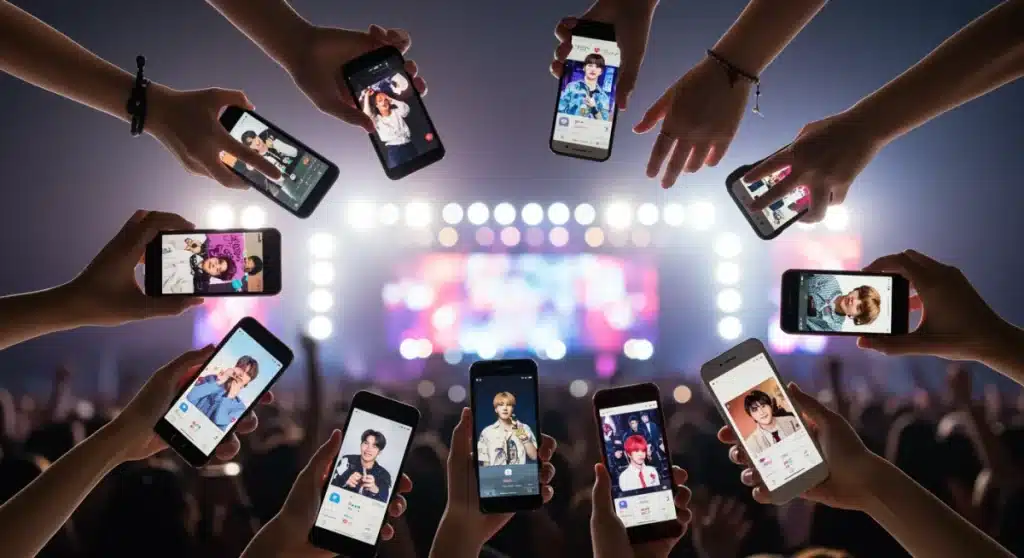
The global phenomenon of K-Pop continues its meteoric rise, captivating millions of fans worldwide, with the United States standing as a significant hub for its fervent following. As we delve into 2026, the landscape of K-Pop fandom has evolved, becoming more sophisticated and digital-centric. US K-Pop fans are no longer just passive consumers; they are active participants, seeking deeper connections with their idols and fellow enthusiasts. This pursuit has led to the proliferation and refinement of various digital platforms, each offering unique avenues for exclusive content, community building, and direct artist interaction. Understanding these platforms is crucial for any fan looking to maximize their K-Pop experience in the modern era.
The digital age has fundamentally transformed how fans engage with their favorite K-Pop groups and solo artists. Gone are the days when fan engagement was limited to buying albums and attending concerts. Today, a rich tapestry of online spaces allows fans to immerse themselves fully in the K-Pop universe, from behind-the-scenes glimpses to personalized messages from idols. For US K-Pop fans, who often face geographical barriers to direct interaction, these digital platforms serve as vital bridges, fostering a sense of proximity and belonging. This article will explore seven essential digital platforms that have become indispensable tools for US K-Pop fans in 2026, highlighting their unique features and how they contribute to the vibrant K-Pop fandom experience.
The Evolution of K-Pop Fandom: A Digital Revolution
The journey of K-Pop from a niche genre to a global powerhouse is intrinsically linked to its adept use of digital technology. Early K-Pop fandom relied heavily on traditional media and nascent internet forums. However, with the advent of social media, streaming services, and dedicated fan platforms, the ecosystem has bloomed into a complex, interactive network. For US K-Pop fans, this digital revolution has been particularly impactful. It has democratized access to content, breaking down language barriers through fan translations and fostering a sense of global unity among diverse fanbases. The demand for exclusive content – be it unreleased photos, personalized messages, or behind-the-scenes documentaries – drives much of this engagement, creating a symbiotic relationship between artists, agencies, and fans.
In 2026, the emphasis remains on authenticity and direct communication. Fans crave genuine interactions and content that feels personal, rather than mass-produced. This desire has pushed agencies to invest heavily in platforms that facilitate these connections, recognizing that a deeply engaged fanbase is the bedrock of sustained success. Moreover, the sense of community among K-Pop fans is unparalleled. These digital spaces are not just content hubs; they are virtual gathering places where fans can share their passion, celebrate milestones, and even organize collective support projects for their idols. The platforms we will discuss exemplify this evolution, showcasing how technology continues to redefine the boundaries of fan-artist relationships and community building within the K-Pop sphere.
1. Weverse: The Official Fan Hub for K-Pop Fandom Platforms
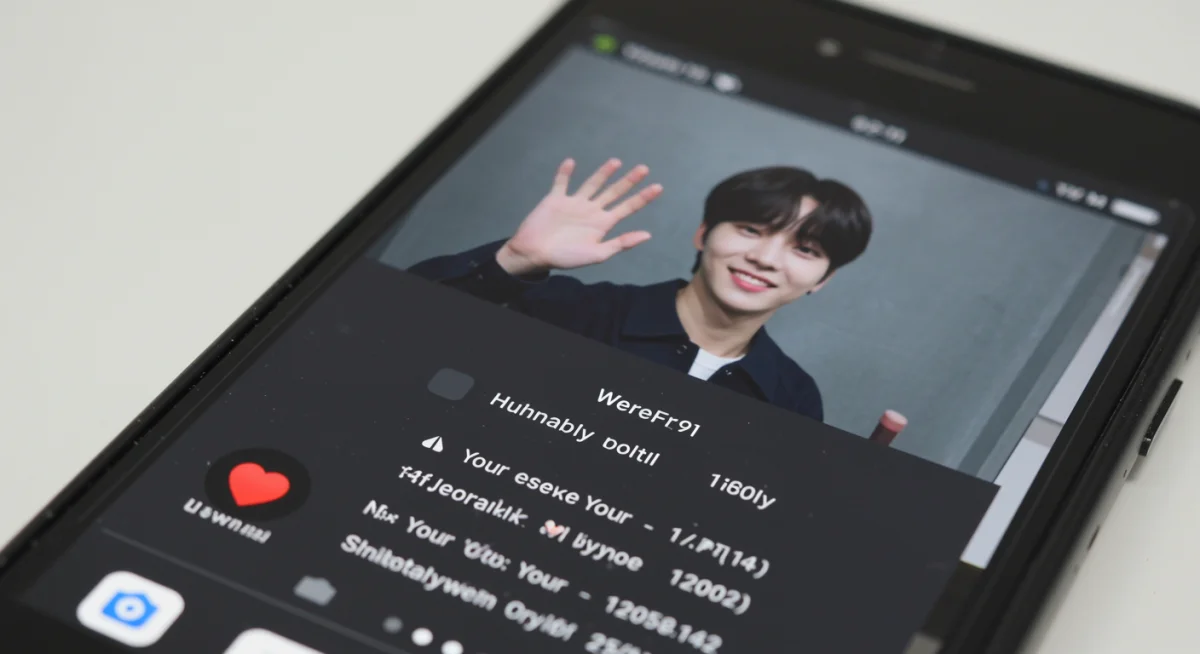
At the forefront of K-Pop fandom platforms in 2026 is undoubtedly Weverse. Developed by HYBE Corporation, Weverse has transcended its origins to become a powerhouse for numerous K-Pop groups, not just those under the HYBE umbrella. For US K-Pop fans, Weverse is an indispensable application, offering a centralized location for official artist content, community interaction, and exclusive merchandise. Its strength lies in its ability to bridge the gap between idols and fans directly.
Weverse provides a unique ecosystem where artists can post updates, photos, and videos, often with personal messages. Fans can comment on these posts, and occasionally, idols will directly respond, creating thrilling moments of interaction. The platform also hosts exclusive live streams, known as Weverse Lives, where idols chat with fans in real-time, often sharing candid moments or celebrating special occasions. These live events are a goldmine for US K-Pop fans, offering a rare glimpse into their idols’ lives and personalities. The real-time translation feature integrated into Weverse is a game-changer, allowing non-Korean speaking fans to participate fully in discussions and understand idol messages without delay.
Beyond direct communication, Weverse is also home to Weverse Shop, where fans can purchase official merchandise, albums, and concert tickets, often with exclusive fan club benefits. The combination of direct artist communication, exclusive content, and a dedicated shopping portal makes Weverse a comprehensive and essential platform for any serious US K-Pop fan. It fosters a strong sense of community, allowing fans from across the globe to connect, share their love for their idols, and feel closer to the artists they admire. Its continuous evolution, with new features and artists joining regularly, solidifies its position as a leading K-Pop fandom platform.
2. Bubble: Personalized Messaging for Deeper Connections
While Weverse offers broad fan-to-artist engagement, Bubble, primarily used by SM Entertainment, JYP Entertainment, and other agencies, provides a more intimate, personalized experience. Bubble operates on a subscription model, where fans pay a monthly fee to receive direct messages from their chosen idols. For US K-Pop fans seeking a deeper, more personal connection, Bubble has become an essential tool among K-Pop fandom platforms.
The appeal of Bubble lies in its simulation of a one-on-one chat. Idols send messages, photos, and even voice notes directly to their subscribers, creating the illusion of a personal conversation. While idols send messages to all their subscribers simultaneously, the app’s interface makes it feel as if the message is exclusively for you. This creates a powerful emotional connection, as fans feel uniquely acknowledged by their idols. The messages often include daily updates, behind-the-scenes peeks, and casual thoughts, offering a candid look into the idols’ lives that isn’t typically available on public social media.
For US K-Pop fans, Bubble offers a critical bridge across geographical and cultural divides. The platform includes an auto-translation feature, ensuring that fans can understand and respond to idol messages in real-time. This immediacy and personalization are what set Bubble apart, making it a highly cherished platform for those who desire a more intimate form of interaction. It’s a testament to how K-Pop fandom platforms are innovating to meet the evolving demands of fans for authenticity and closeness.
3. VLive (Archived Content on Weverse): A Legacy of Live Interaction
Though VLive as a standalone platform has largely transitioned its content to Weverse, its legacy as a pioneer in live K-Pop idol broadcasting cannot be overstated. For many years, VLive was the go-to platform for live streams, variety shows, and exclusive content directly from idols. While new live content is now primarily found on Weverse, its extensive archive remains a treasure trove for US K-Pop fans, especially newer ones looking to explore past moments.
The VLive archives on Weverse continue to offer thousands of hours of content, including iconic live broadcasts, reality shows, and special performances. These videos are often subtitled in multiple languages, making them accessible to a global audience, including US K-Pop fans. Revisiting these archived moments allows fans to experience the growth and evolution of their favorite groups, celebrating their journey through candid and often humorous interactions. The historical significance of VLive in shaping the digital landscape of K-Pop fandom platforms makes its content invaluable.
Even in 2026, the archived VLive content stored within Weverse serves as a crucial resource for community building. Fans often re-watch old VLives together, sharing reactions and discussing memorable moments. This communal viewing experience strengthens fan bonds and allows new fans to catch up on important historical content, fostering a deeper appreciation for their idols’ careers. Thus, while its independent platform status has changed, VLive’s contribution to the K-Pop digital ecosystem endures through its rich content library on Weverse.
4. YouTube: The Global Gateway and Content Powerhouse
No discussion of K-Pop fandom platforms would be complete without mentioning YouTube. While not exclusive to K-Pop, YouTube serves as the primary global gateway for new fans and a continuous source of official and fan-generated content for existing US K-Pop fans. In 2026, YouTube remains the undisputed king for music video premieres, performance videos, official variety content, and behind-the-scenes vlogs from K-Pop agencies.
For US K-Pop fans, YouTube is where many first discover K-Pop. The platform’s recommendation algorithm often introduces users to new groups, and the sheer volume of content ensures there’s always something new to watch. From high-budget music videos that routinely break viewing records to dance practice videos, lyric videos, and fan compilations, YouTube is a never-ending stream of K-Pop entertainment. Official channels from K-Pop agencies and groups provide curated content, often with English subtitles, making it highly accessible to the US audience.
Beyond official content, YouTube is also a vibrant hub for fan creators. Reaction videos, analysis videos, tutorials, and fan-edited content thrive on the platform, contributing significantly to community building. US K-Pop fans use YouTube to share their enthusiasm, learn choreography, and engage in discussions about their favorite idols. The platform’s live streaming capabilities are also utilized for special events, Q&As, and fan celebrations. Its ubiquitous presence and diverse content offerings make YouTube an indispensable part of the K-Pop fandom experience in 2026, continually expanding the reach and engagement of K-Pop globally.
5. Twitter (X): Real-Time Updates and Fandom Communication
Twitter, now rebranded as X, continues to be a critical platform for real-time K-Pop news, updates, and community interaction in 2026. For US K-Pop fans, X is the pulse of the fandom, where trending topics, official announcements, and fan discussions happen instantaneously. Its microblogging format is perfectly suited for the fast-paced nature of K-Pop news cycles.
Idols and their agencies frequently use X to share quick updates, photos, and links to new content. This direct line of communication ensures that US K-Pop fans are among the first to know about comebacks, concert announcements, and personal messages from their favorite artists. The platform’s hashtag system allows fans to easily follow specific groups, members, and events, creating dedicated spaces for discussion and celebration. Fan accounts play a crucial role, translating updates, compiling information, and organizing fan projects like streaming goals and voting campaigns.
The strength of X for K-Pop fandom lies in its ability to facilitate large-scale, real-time community engagement. Fans organize mass streaming parties, trend hashtags to promote their idols, and engage in spirited discussions about performances, fashion, and personal anecdotes. It’s a dynamic environment where information spreads rapidly, and collective action is easily coordinated. For US K-Pop fans, X is not just a social media platform; it’s a vital communication tool that keeps them connected to the global K-Pop conversation and empowers them to actively support their idols.
6. Instagram: Visual Storytelling and Aesthetic Engagement
In the visually driven world of K-Pop, Instagram remains a paramount platform for idols and agencies to share high-quality photos, short videos, and behind-the-scenes glimpses. In 2026, for US K-Pop fans, Instagram is an essential destination for aesthetic engagement and visual storytelling, offering a different dimension of connection compared to text-heavy platforms.
Idols frequently use Instagram to post personal updates, fashion looks, travel diaries, and interactions with other group members. The platform’s emphasis on imagery allows fans to appreciate the visual artistry of K-Pop, from stunning photoshoot concepts to candid selfies. Instagram Stories and Reels provide a more ephemeral and dynamic way for idols to share daily life moments, engage in Q&As, and offer quick peeks into their schedules. This visual intimacy fosters a strong sense of connection, making idols feel more relatable and accessible.
For US K-Pop fans, Instagram is also a hub for fan art, fan edits, and aesthetic accounts dedicated to their favorite idols. It’s a space where creativity flourishes, and fans can express their admiration through visual mediums. The platform’s explore page and hashtag system help fans discover new content and connect with like-minded individuals, further enriching the community aspect of K-Pop fandom. The blend of official high-quality visuals and personal, candid moments makes Instagram an indispensable K-Pop fandom platform for visual enthusiasts.

7. TikTok: Short-Form Content and Viral Trends
TikTok’s explosive growth has also significantly impacted K-Pop fandom, especially among younger US K-Pop fans. In 2026, TikTok is a powerhouse for short-form content, viral challenges, and a platform where idols can engage with fans in a fun, informal manner. Its algorithm-driven discovery mechanism has introduced K-Pop to new audiences, further expanding its global reach.
K-Pop idols and groups frequently use TikTok to promote new music through dance challenges, behind-the-scenes snippets, and playful interactions. These short, engaging videos are highly shareable and often go viral, introducing songs and choreographies to a massive audience beyond the traditional K-Pop fandom. For US K-Pop fans, participating in these challenges is a popular way to show support for their idols and engage with the broader community.
TikTok also provides a platform for fan-created content, including edits, memes, and fan reactions. The app’s sound library, filled with K-Pop tracks, encourages creativity and allows fans to express their love for their idols in innovative ways. The informal and often humorous nature of TikTok content offers a refreshing contrast to more polished official releases, allowing idols to showcase their playful sides. Its immense popularity and ability to drive viral trends solidify TikTok’s position as a crucial K-Pop fandom platform for both artists and fans in 2026, particularly for those who enjoy quick, digestible, and interactive content.
The Future of K-Pop Fandom Platforms: What’s Next?
As we look beyond 2026, the landscape of K-Pop fandom platforms will undoubtedly continue to evolve. The trend towards more personalized, immersive, and interactive experiences is likely to intensify. We may see further integration of virtual reality (VR) and augmented reality (AR) technologies, offering fans even more direct and realistic interactions with their idols. Imagine virtual fan meetings where you can “sit” next to your idol, or AR concerts where your favorite group performs in your living room.
The demand for exclusive content will remain a driving force, pushing agencies to innovate in how they deliver unique experiences. Subscription models, like Bubble, might become more sophisticated, offering tiered access to different levels of personalization. Furthermore, as AI technology advances, we could see AI-powered chatbots that simulate idol conversations, providing an always-on connection for fans, though the authenticity of such interactions will always be a point of discussion.
Community building will also continue to be a central tenet. Platforms may develop more robust features for fan-led initiatives, such as collective streaming, voting, and charitable projects. The global nature of K-Pop means that ensuring accessibility through multi-language support and culturally sensitive features will be paramount. Ultimately, the future of K-Pop fandom platforms is bright, promising even more innovative ways for US K-Pop fans to connect with their idols and each other, strengthening the bonds of this incredible global phenomenon.
Conclusion: A Connected K-Pop Fandom in 2026
The digital era has ushered in an unprecedented level of connectivity and engagement for K-Pop fans worldwide, and US K-Pop fans are at the heart of this revolution. In 2026, the seven digital platforms – Weverse, Bubble, the archived VLive content on Weverse, YouTube, Twitter (X), Instagram, and TikTok – collectively form the backbone of the modern K-Pop fandom experience. Each platform offers distinct advantages, catering to different aspects of fan engagement, from direct idol communication and exclusive content to community building and real-time updates.
These K-Pop fandom platforms are more than just apps or websites; they are vibrant ecosystems where passion thrives, connections are forged, and the unique culture of K-Pop fandom is celebrated daily. For US K-Pop fans, these digital spaces break down geographical barriers, allowing them to feel intimately connected to their idols and a global community of like-minded individuals. As K-Pop continues its global expansion, the innovation in these digital platforms will undoubtedly keep pace, promising an even richer, more interactive, and deeply connected future for fans everywhere. Embracing these tools is key to fully experiencing the dynamic and ever-evolving world of K-Pop.