Korean traditional dance performances: a vibrant cultural experience
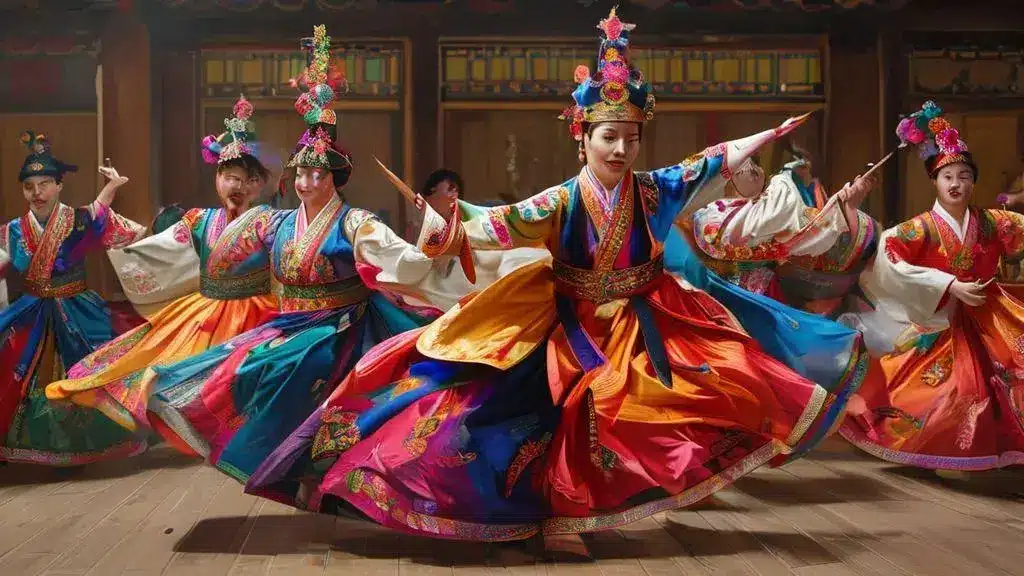
Korean traditional dance performances showcase a blend of cultural heritage, vibrant costumes, and meaningful music, while modern adaptations incorporate contemporary styles and technology to engage new audiences.
Korean traditional dance performances are a mesmerizing reflection of rich cultural heritage. Have you ever wondered how these dances narrate stories of love, nature, and tradition? Let’s dive into the captivating world of this art form.
Understanding the history of Korean traditional dance
The history of Korean traditional dance is rich and shaped by centuries of cultural evolution. It captures not just movements but stories and emotions. Understanding this history can deepen your appreciation for the dances performed today.
Historical Origins
Ancient Korea valued dance in religious ceremonies and celebrations. The earliest dance forms were deeply connected to shamanistic rituals. These dances honored gods and spirits, showcasing the connection between the people and their beliefs.
As time passed, different dynasties influenced the styles and forms of dance. For example, during the Goryeo Dynasty, court dances became more refined and structured, while the Joseon Dynasty saw the emergence of popular folk dances, highlighting daily life and agricultural cycles.
Transition to Modern Times
With the arrival of foreign influences and modernization, Korean traditional dance began to evolve. However, many traditional forms still exist, preserving a glimpse into the past. Today, you can witness performances that blend ancient traditions with contemporary themes.
Key Dance Forms
- Seungmu: Known as the dance of the monk, it expresses tranquility and meditation.
- Fan Dance: A vibrant performance using colorful fans to create stunning visuals.
- Mask Dance: Often performed to tell stories, showcasing humor and morality.
- Salpuri: A graceful dance aimed at portraying a story of purification.
These forms illustrate the diversity within Korean traditional dance. Each dance not only represents artistic expression but also connects the audience to the heart of Korean culture.
As you explore the world of these performances, you will notice how they serve to remind us of the values, traditions, and emotions carried forward through generations. The historical context provides a deeper connection to the movements and stories told by the dancers.
Exploring key dance forms
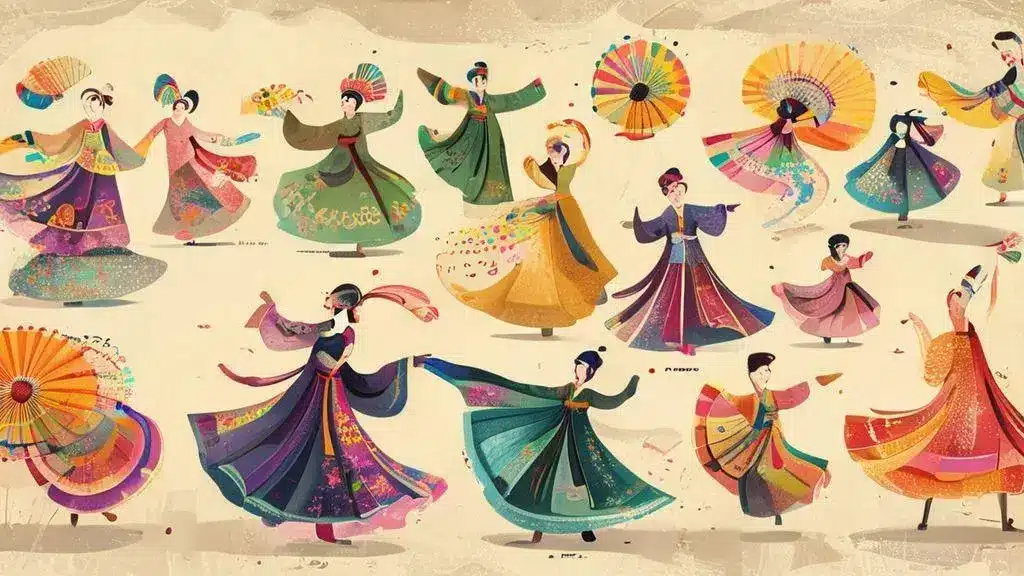
Exploring the key dance forms of Korean traditional dance reveals a diverse landscape of artistic expression. Each dance form carries unique stories, emotions, and cultural values. Here, we highlight some of the most significant styles that define this vibrant art.
Seungmu
Seungmu, known as the dance of the monk, embodies a sense of tranquility. This dance is characterized by gentle movements, reflecting a deep connection to meditation and spirituality. The performers often wear simple, flowing costumes that enhance the elegance of their movements.
Fan Dance
The Fan Dance, or Buchaechum, is vibrant and visually captivating. Dancers use beautiful colored fans to create stunning patterns and visuals as they perform. This dance typically tells stories of nature and beauty, and the choreography emphasizes grace and fluidity.
- The fans symbolize beauty and grace.
- It showcases the harmony of movements.
- Colors used in the fans represent various emotions.
- The dance often features lively music.
Mask Dance
Mask dances, or Talchum, are deeply rooted in Korean folk traditions. Traditionally performed to entertain and critique social norms, these dances involve vibrant masks that give each character a unique personality. The performances are often humorous and carry moral lessons.
Salpuri
Salpuri is a dance dedicated to purification and healing. Its movements are gentle and fluid, reflecting the idea of cleansing one’s spirit. The dance often involves slow, graceful gestures, accompanied by calm music, creating an atmosphere of serenity.
Each of these key dance forms plays a critical role in Korean traditional dance, embodying the country’s rich cultural heritage. By appreciating these styles, one can gain a deeper understanding of the stories and emotions connecting the past to the present.
The significance of costumes and music
The significance of costumes and music in Korean traditional dance is profound. These elements not only enhance the visual appeal but also contribute to the storytelling aspect of the performances. Each costume and musical piece plays a critical role, adding layers of meaning and emotion.
Costume Variety
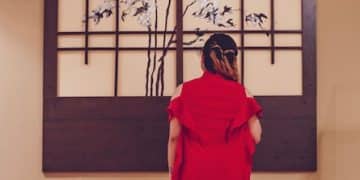
Korean traditional dance costumes, known as Hanbok, come in many styles and colors, each with its own significance. The colors used in these costumes often symbolize different emotions and meanings. For instance, red symbolizes happiness while blue may represent calmness.
Additionally, the design and fabric of the costumes vary between different dance forms. Dancers wear flowing garments that allow for graceful movements, enhancing the overall aesthetic of the performance. The intricate patterns and adornments also reflect the history and culture of the regions they represent.
Importance of Music
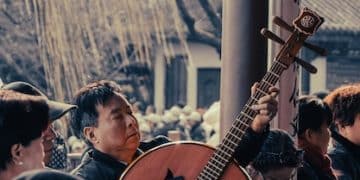
The music accompanying Korean traditional dance is equally significant. It sets the mood and rhythm for the dance, guiding the movements of the dancers. Traditional instruments such as the gayageum (a zithern), janggu (a double-headed drum), and haegeum (a two-stringed fiddle) are commonly used, adding unique sounds that enrich the performance.
- Rhythm: The pace of the music influences the tempo of the dance.
- Emotion: Music evokes feelings that correspond to the dance’s theme.
- Cultural Identity: Each musical piece carries the essence of Korean heritage.
- Storytelling: Music helps in narrating the stories portrayed through dance.
In essence, the combination of carefully crafted costumes and meaningful music elevates the art of Korean traditional dance. Together, they create a compelling experience that resonates with audiences, bridging the gap between performers and spectators through shared cultural narratives.
Modern adaptations of traditional performances
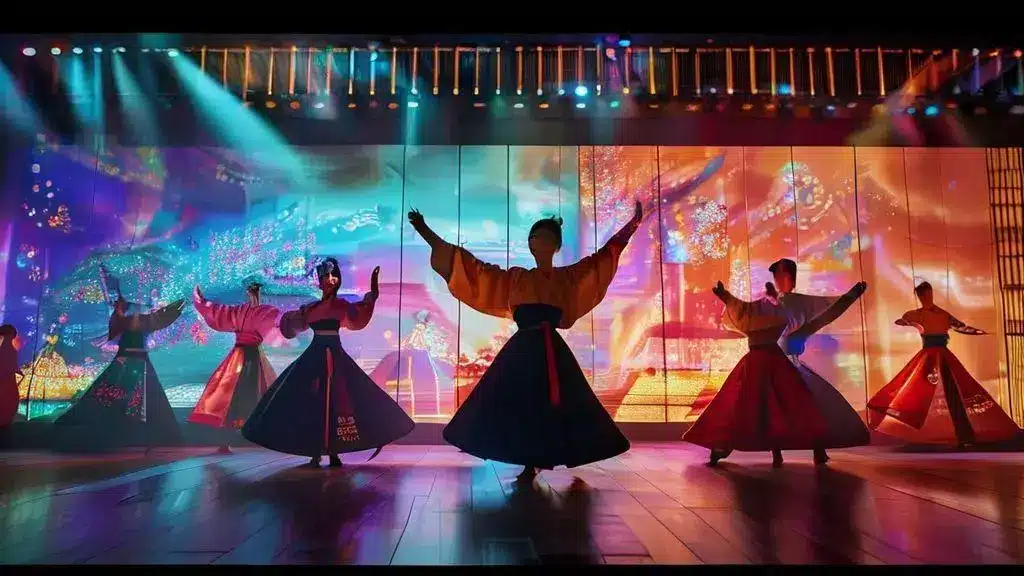
Modern adaptations of Korean traditional dance showcase the evolution of this art form while respecting its roots. As society changes, so do the interpretations and presentations of traditional dances. Many contemporary choreographers blend classic moves with modern styles, creating a captivating fusion that attracts new audiences.
Incorporating Contemporary Styles
Today, many performances include elements of hip-hop, jazz, or even ballet. This blend not only makes the dance more relatable to younger audiences but also brings fresh energy to age-old traditions. Choreographers often focus on innovative expressions that reach beyond traditional narratives.
Fusion with Technology
Technology plays a significant role in modern adaptations. Dancers now use lighting, multimedia, and even virtual reality to enhance the viewing experience. This integration of technology allows for stunning visuals that complement the dance movements, creating a more immersive performance.
- Multimedia shows: Combine video projections with dance for a dynamic backdrop.
- Interactive performances: Engage the audience, inviting them to participate.
- Costume changes: Use modern fabrics and designs that allow for greater movement.
- Live music: Incorporate modern instruments alongside traditional music.
These innovations breathe new life into Korean traditional dance, ensuring it remains relevant in today’s cultural landscape. By blending past and present, dancers create a dialogue between generations, paying homage to their heritage while inviting the audience to engage in a contemporary experience.
Through modern adaptations, we see that Korean traditional dance is not just a relic of the past; it is a living, evolving art form. This evolution helps to preserve the essence of the dances while encouraging new interpretations that resonate with today’s audiences.
FAQ – Frequently Asked Questions about Korean Traditional Dance
What is Korean traditional dance?
Korean traditional dance refers to various performance arts that showcase Korea’s rich cultural heritage through music, movement, and storytelling.
How have modern adaptations changed traditional dances?
Modern adaptations blend traditional elements with contemporary styles and technology, making performances more relatable to modern audiences.
What role do costumes play in these performances?
Costumes enhance the visual appeal and storytelling of the dances, often symbolizing emotions and cultural significance.
How can I experience Korean traditional dance today?
You can experience Korean traditional dance through performances in cultural festivals, theaters, and international events showcasing this vibrant art form.