Korean folk festival celebrations: a vibrant cultural journey
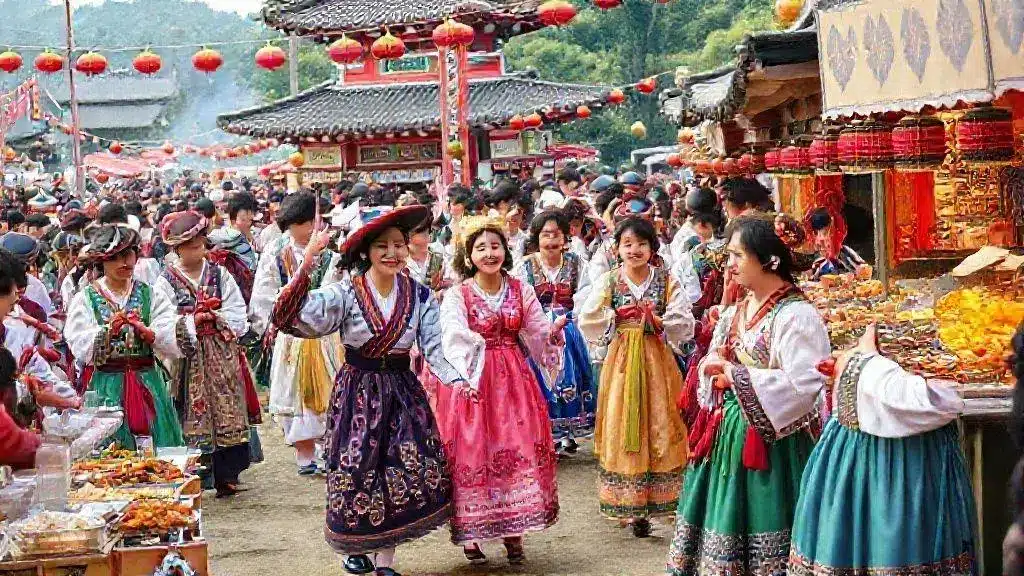
Korean folk festival celebrations feature vibrant cultural performances, traditional foods, and interactive activities, providing a unique experience that showcases the rich heritage and community spirit of Korea.
Korean folk festival celebrations are a fascinating glimpse into the heart of Korea’s rich culture and traditions. Have you ever wondered what makes these events so vibrant and memorable? Let’s explore the magic behind these annual celebrations.
Overview of Korean folk festivals
Korean folk festivals are a celebration of the rich cultural heritage found throughout the country. These festivals vary by region and showcase unique traditions, music, and activities. Many of them are held annually, attracting both locals and tourists looking to experience the vibrant atmosphere of Korean culture.
Major Folk Festivals
Some of the most notable folk festivals include:
- The Boryeong Mud Festival: A fun-filled event that celebrates the therapeutic benefits of mud.
- The Jinju Lantern Festival: A stunning display of lanterns that honors historical battles.
- The Andong Mask Dance Festival: A showcase of traditional mask dances that tell stories from Korean folklore.
Each festival not only highlights local traditions but also fosters a sense of community. At these events, visitors can immerse themselves in traditional food, music, and craft activities. For example, you might find a variety of street foods like tteokbokki (spicy rice cakes) and hotteok (sweet pancakes) being served.
The events often feature performances by local artists, allowing attendees to experience a range of artistic expressions, from traditional dances to contemporary music. Hands-on workshops are also common, giving visitors opportunities to learn about traditional crafts, such as pottery and weaving. This interaction creates a lasting bond between the participants and the culture.
Significance of Traditions
The significance of these festivals extends beyond mere entertainment. They serve to preserve and promote Korean history and customs, often rooted in agricultural practices. Festivals like the Chuseok (Korean Thanksgiving) celebrate the harvest season, showcasing gratitude to ancestors with various rituals and feasts.
Moreover, folk festivals are a way for communities to come together and maintain their cultural identity in a modernizing world. As globalization increases, these celebrations help ensure that future generations understand and appreciate their heritage, allowing the unique aspects of Korean culture to thrive amidst change.
Significant cultural elements in festivals
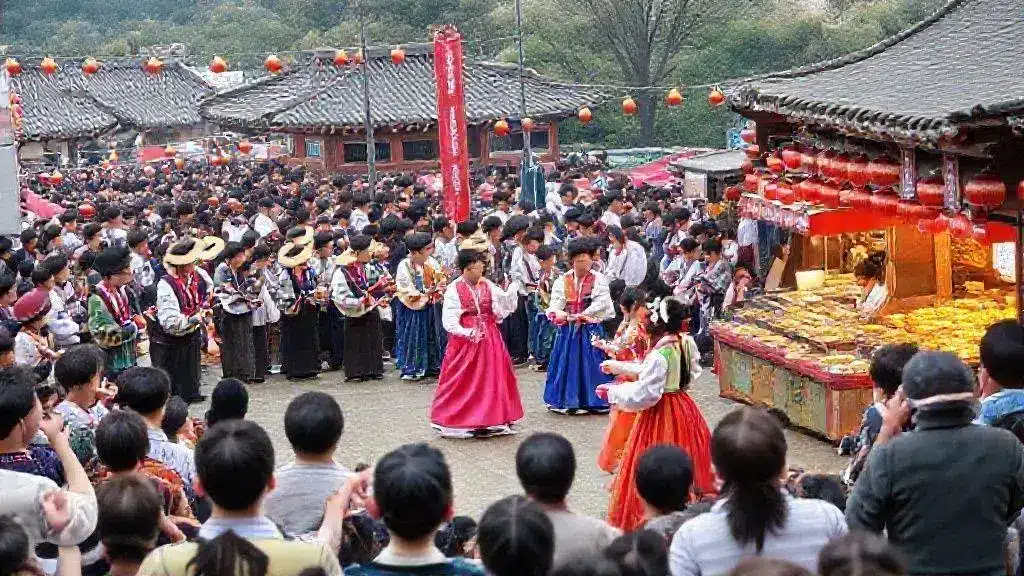
At Korean folk festivals, the cultural heritage of the country is on full display. These events are rich with traditions that reflect Korea’s history and community spirit. Many of the cultural elements seen during these festivals date back centuries and are integral to the identity of the people.
Traditional Music and Dance
One of the most captivating aspects of these festivals is the traditional music and dance. Visitors can enjoy performances featuring:
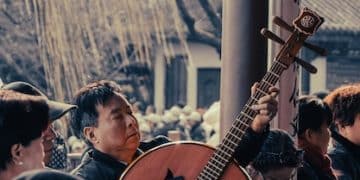
- pansori: a form of musical storytelling that combines singing and narration.
- samulnori: a lively percussion ensemble using traditional instruments.
- folk dances: showcasing energetic movements and intricate costumes.
These performances bring together the past and present, allowing attendees to experience the vitality of Korean artistry. Each dance and song tells a story, often linked to historical events or folk tales.
Food as Cultural Expression
Food is another important cultural element at festivals. Traditional dishes play a vital role in celebrations, and festival-goers have the chance to taste authentic Korean cuisine, such as:
- kimchi: a famous side dish that reflects the importance of fermentation in Korean cooking.
- bulgogi: marinated beef grilled to perfection.
- bibimbap: a colorful rice dish topped with vegetables, eggs, and sauce.
These dishes not only provide sustenance but also represent the flavors and history of different regions. Eating together during these festivals fosters a sense of community and shared experience.
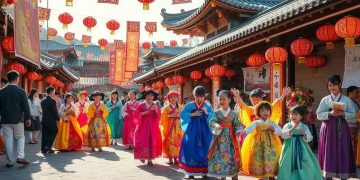
Another significant element is the use of vibrant traditional attire. Many festival participants wear hanbok, a beautiful traditional dress that adds color and elegance to the celebrations. Hanbok symbolizes happiness and is often worn during special occasions, reflecting the pride people take in their heritage.
The incorporation of arts and crafts is also central to the experience. Festivals may feature local artisans demonstrating traditional skills like pottery, weaving, and painting. This allows visitors to engage with the culture and understand the craftsmanship behind these crafts, reinforcing the significance of heritage in contemporary society.
Traditional foods found during celebrations
Traditional foods play a central role in Korean folk festivals, enhancing the festive atmosphere and connecting attendees to their cultural roots. Each dish tells a story and reflects the rich history of Korean cuisine. Many of these foods are enjoyed only during special occasions, making festivals a unique opportunity to savor their flavors.
Favorite Festival Dishes
During celebrations, you will often find a variety of delicious Korean dishes, including:
- Tteokbokki: Spicy stir-fried rice cakes mixed with fish cakes and vegetables, served with a sweet and spicy sauce.
- Hotteok: Sweet pancakes filled with brown sugar, nuts, and cinnamon, often sold by street vendors.
- Bulgogi: Grilled marinated beef that is tender and flavorful, often served with lettuce for wrapping.
- Kimchi: A staple side dish made from fermented vegetables, providing a tangy and spicy flavor that complements many meals.
These dishes not only satisfy hunger but also symbolize the warmth of Korean hospitality. Sharing food during festivals brings families and communities together, creating bonds through shared traditions.
Seasonal Ingredients
Another exciting aspect of festival foods is the use of seasonal ingredients. Many dishes vary depending on the time of year. For example, in autumn, you might find dishes featuring newly harvested grains and vegetables, while summer festivals often highlight refreshing salads and cold soups. Using fresh ingredients enhances the taste and authenticity of each dish.
Additionally, street food stalls become lively areas during festivals, attracting crowds with their enticing aromas. The variety of flavors available is one of the key attractions, with something for everyone, from spicy to sweet.
Visitors to these festivals often indulge in a variety of snacks and drinks as they explore. Traditional desserts are also popular, such as patbingsu, a shaved ice treat topped with sweet red beans and fruits, perfect for warm days. These culinary delights are not merely food but a significant aspect of festival culture.
Unique activities and performances at festivals
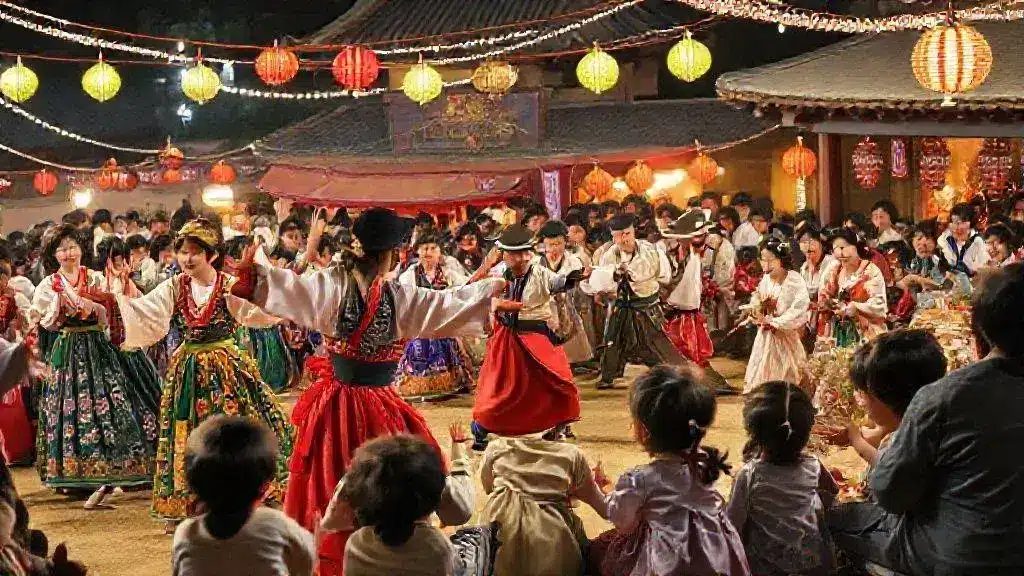
Unique activities and performances at Korean folk festivals create an exciting atmosphere for visitors. These events often blend traditional and contemporary elements, offering a wealth of experiences that showcase the rich culture of Korea. From engaging activities to captivating performances, there is something for everyone.
Cultural Performances
Throughout the festivals, various cultural performances take center stage. Attendees can enjoy:
- Traditional music and dance: Performers wear colorful hanbok and showcase intricate movements, bringing historical stories to life.
- Martial arts: Demos of Taekwondo or Hapkido are thrilling and showcase the discipline and skill involved in these arts.
- Puppet shows: These entertaining performances feature traditional Korean puppetry, delighting both children and adults alike.
These lively performances not only entertain but also educate audiences about Korea’s history and traditions. Each act tells a story, allowing spectators to appreciate the depth and meaning behind the art.
Interactive Activities
In addition to performances, festivals often feature numerous interactive activities for everyone to enjoy. Attendees can participate in:
- Craft workshops: Learn traditional crafts, such as making hanji (Korean paper) or trying your hand at pottery.
- Cooking classes: Discover the secrets of traditional Korean dishes, enhancing your culinary skills while having fun.
- Games and contests: Many festivals include traditional games like tug-of-war and yutnori, a board game that promotes friendly competition.
These activities foster community spirit and provide opportunities for learning. Families and friends can bond over shared experiences and create lasting memories. Interactive engagements allow everyone, regardless of age, to enjoy the festive spirit.
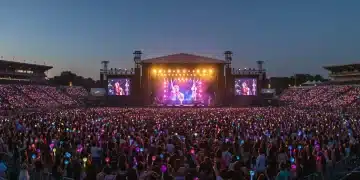
As dusk falls, festivals transform into a visual spectacle. Colorful lights illuminate the venue, enhancing the magical atmosphere. Many festivals culminate in fireworks displays, which mesmerize crowds and mark the celebration’s highlight, leaving attendees with unforgettable memories of the vibrant festivities.
FAQ – Frequently Asked Questions about Korean Folk Festivals
What are Korean folk festivals known for?
Korean folk festivals are known for their vibrant cultural performances, traditional foods, and engaging activities that celebrate Korean heritage.
What types of activities can visitors participate in?
Visitors can participate in craft workshops, cooking classes, and traditional games, making the experience interactive and enjoyable.
What is a must-try food at these festivals?
A must-try food at Korean folk festivals is tteokbokki, a spicy rice cake dish that is popular among festival-goers.
When are these festivals typically held?
Korean folk festivals are held throughout the year, often coinciding with traditional holidays and seasonal celebrations.