Top 5 K-Drama Cosplay Trends 2026: US Convention Insights
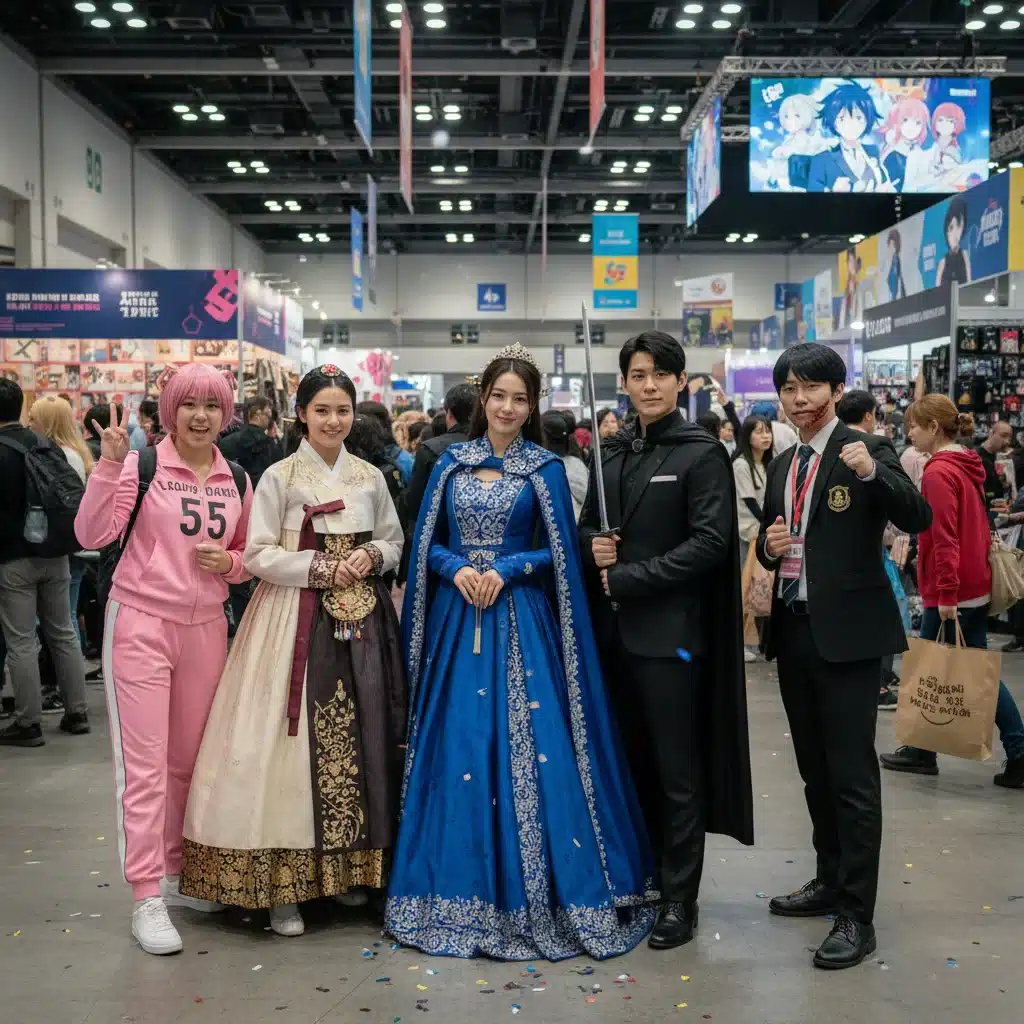
The Top 5 K-Drama-Inspired Cosplay Trends Dominating US Conventions in 2026: An Insider Look at Fan Creations
The vibrant world of K-Dramas has transcended language barriers and captivated global audiences, leading to a significant surge in its influence across various cultural phenomena. Among these, the realm of cosplay stands out as a particularly dynamic and rapidly evolving space. As we look towards 2026, US conventions are set to be a spectacular showcase of ingenuity, dedication, and passion, with K-Drama-inspired costumes taking center stage. The intricate narratives, compelling characters, and stunning aesthetics of Korean dramas provide a rich tapestry for cosplayers to draw inspiration from, pushing boundaries and fostering a unique community. This article delves deep into the anticipated top 5 K-Drama cosplay trends that will define the convention landscape in the coming year, offering an insider’s perspective on the fan creations that are making waves.
From historical epics to modern thrillers, the diversity of K-Dramas ensures that there’s a character for every cosplayer, regardless of their skill level or preferred genre. What makes K-Drama cosplay trends so compelling is not just the visual appeal of the costumes, but the deep emotional connection fans have with the stories and personalities they embody. This connection fuels an incredible level of detail and authenticity in their creations, transforming simple fabric and props into living tributes. We’ll explore how these trends are shaped by recent hits, ongoing fan discussions, and the ever-growing accessibility of K-Drama content. Prepare to be inspired by the creativity and dedication of the K-Drama cosplay community as we unveil the trends that will dominate US conventions in 2026.
1. The Reign of the Anti-Hero: Dark Academia and Stylish Villains
One of the most compelling K-Drama cosplay trends emerging for 2026 is the fascination with the anti-hero. Characters who walk the line between good and evil, often with a tragic backstory and impeccable style, have captured the hearts of viewers. This trend manifests in two primary sub-categories: the dark academia aesthetic and the rise of the stylish villain. Shows like ‘Vincenzo’, with its titular mafia lawyer, and ‘The Glory’, featuring complex characters seeking retribution, are prime examples fueling this wave. Cosplayers are drawn to the sophisticated tailoring, monochromatic palettes, and subtle yet powerful accessories that define these characters.
For ‘Vincenzo’ cosplays, expect to see an abundance of sharp, well-fitted suits in charcoal, navy, and black, often paired with sleek ties, pocket squares, and minimalist watches. The attention to detail in replicating Vincenzo Cassano’s suave yet dangerous aura is paramount. This includes precise hairstyling, a confident demeanor, and perhaps even a prop lighter or a copy of a law book. The appeal lies in embodying a character who is both morally ambiguous and undeniably charismatic, a true challenge for any cosplayer looking to convey depth through their portrayal. The fabric choices are crucial here; high-quality wools and silks help achieve the luxurious look that is synonymous with the character. Accessories often include subtle nods to the character’s Italian background, such as specific cufflinks or tie clips that mirror those seen in the drama.
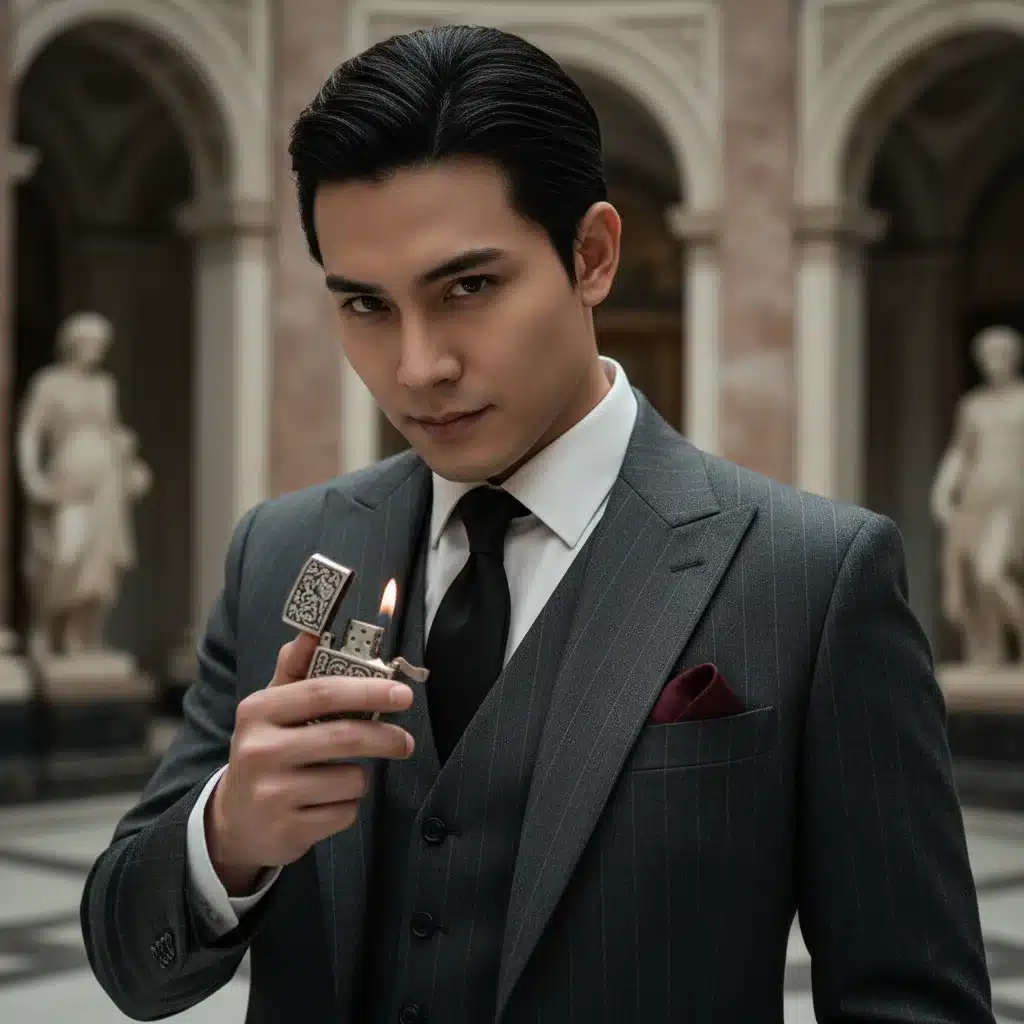
Similarly, characters from ‘The Glory’ offer a different facet of the anti-hero trend. While not always villains in the traditional sense, their complex motivations and often dark journeys inspire intricate costume work. Moon Dong-eun’s evolution, for instance, provides opportunities for cosplayers to depict her transformation through subtle changes in her wardrobe, from subdued tones to more assertive styles. The focus here is less on overt villainy and more on the nuanced portrayal of resilience and strategic planning. This also extends to characters like Yeon-jin, whose outwardly glamorous appearance masks a cruel interior, allowing for cosplayers to explore the duality of beauty and malice. The challenge is in capturing the underlying tension and emotional weight of these characters, often through subtle expressions and body language that complements the costume.
The dark academia aesthetic, often found in K-Dramas with mystery or thriller elements, also falls under this trend. Think of characters from shows like ‘Hierarchy’ or even certain aspects of ‘My Name’. These cosplays often involve tweed blazers, sophisticated knitwear, plaid skirts, collared shirts, and spectacles, all conveying an air of intellectualism mixed with an underlying sense of intrigue or danger. The color palette typically leans towards deep greens, browns, burgundies, and muted grays. This trend allows for a more accessible entry point for cosplayers who might not have extensive tailoring skills but still want to achieve a polished and character-driven look. The key is in layering and fabric texture, creating a rich visual appeal that hints at hidden stories and complex personalities. The popularity of this trend reflects a broader cultural fascination with complex characters who defy simple categorization, offering cosplayers a chance to explore deeper narrative themes through their craft.
2. Historical Grandeur Reimagined: Fusion Hanbok and Royal Attire
The enduring appeal of historical K-Dramas continues to fuel some of the most breathtaking K-Drama cosplay trends. For 2026, we anticipate a significant surge in reimagined historical grandeur, particularly focusing on fusion hanbok and meticulously crafted royal attire. Shows like ‘The Red Sleeve’, ‘Under the Queen’s Umbrella’, and ‘Alchemy of Souls’ have captivated audiences with their stunning visual storytelling, rich cultural details, and elaborate costumes, providing a treasure trove of inspiration for cosplayers. The challenge and reward of these cosplays lie in their intricate details, luxurious fabrics, and the sheer elegance they exude.
Fusion hanbok, a modern take on traditional Korean dress, is becoming increasingly popular. Cosplayers are moving beyond direct historical replication to incorporate contemporary elements, creating unique and personalized interpretations. This might involve using modern fabrics with traditional silhouettes, adding subtle embellishments, or experimenting with bolder color palettes that still respect the essence of hanbok. For instance, a hanbok inspired by ‘Alchemy of Souls’ might feature flowing silks and intricate embroidery, but with a slightly more fantastical or ethereal twist, reflecting the drama’s magical elements. The key here is to blend tradition with personal creative expression, resulting in costumes that are both historically resonant and strikingly original. The use of sheer fabrics, delicate patterns, and carefully chosen accessories like hairpins and ornaments further elevate these creations, making them stand out in any convention hall.
Royal attire from historical dramas remains a perennial favorite, but in 2026, the emphasis will be on unparalleled accuracy and opulent detailing. Cosplayers portraying queens, kings, princes, and princesses will dedicate countless hours to sourcing authentic fabrics, mastering complex embroidery techniques, and replicating intricate headpieces and accessories. The regal robes, elaborate gowns, and ceremonial outfits seen in dramas like ‘Under the Queen’s Umbrella’ demand a high level of craftsmanship. Expect to see rich brocades, delicate silks, and meticulous hand-sewn details that bring these characters to life with breathtaking realism. The challenge is immense, but the visual impact of a well-executed royal K-Drama cosplay is undeniable, often becoming a centerpiece of convention photography.
Beyond the main garments, the accessories play a crucial role in these historical cosplays. Elaborate hairpins (binyeo), decorative knots (maedeup), and traditional footwear are all essential components that complete the look. Cosplayers often spend months researching historical accuracy and learning traditional crafting techniques to ensure their creations are as authentic as possible. The rise of online communities dedicated to historical costume making has also facilitated the sharing of knowledge and resources, further elevating the quality of these impressive fan creations. This trend celebrates Korean heritage while allowing for artistic interpretation, creating a beautiful bridge between the past and the present.
3. The ‘Squid Game’ Effect: Iconic Uniforms and Thematic Ensembles
While ‘Squid Game’ might not be a recent release, its cultural impact continues to resonate, making it a foundational element of K-Drama cosplay trends for 2026. The series provided an array of instantly recognizable and highly adaptable costumes, ensuring its longevity in the cosplay scene. For the upcoming convention season, we’ll see a continued evolution of ‘Squid Game’ cosplays, moving beyond simple replications to more thematic and group-oriented ensembles.
The iconic green tracksuits of the players and the red jumpsuits of the guards remain incredibly popular due to their simplicity and immediate recognition. These are often chosen by groups of friends looking for a cohesive and impactful cosplay. However, in 2026, expect to see more nuanced interpretations. Cosplayers might focus on specific player numbers, adding personalized distressing to their tracksuits to reflect the hardships of the games, or carrying specific props related to their character’s fate. For the guards, variations in masks (circle, triangle, square) will continue to be a staple, often with attention to the precise fabrication of the masks for a more authentic look.
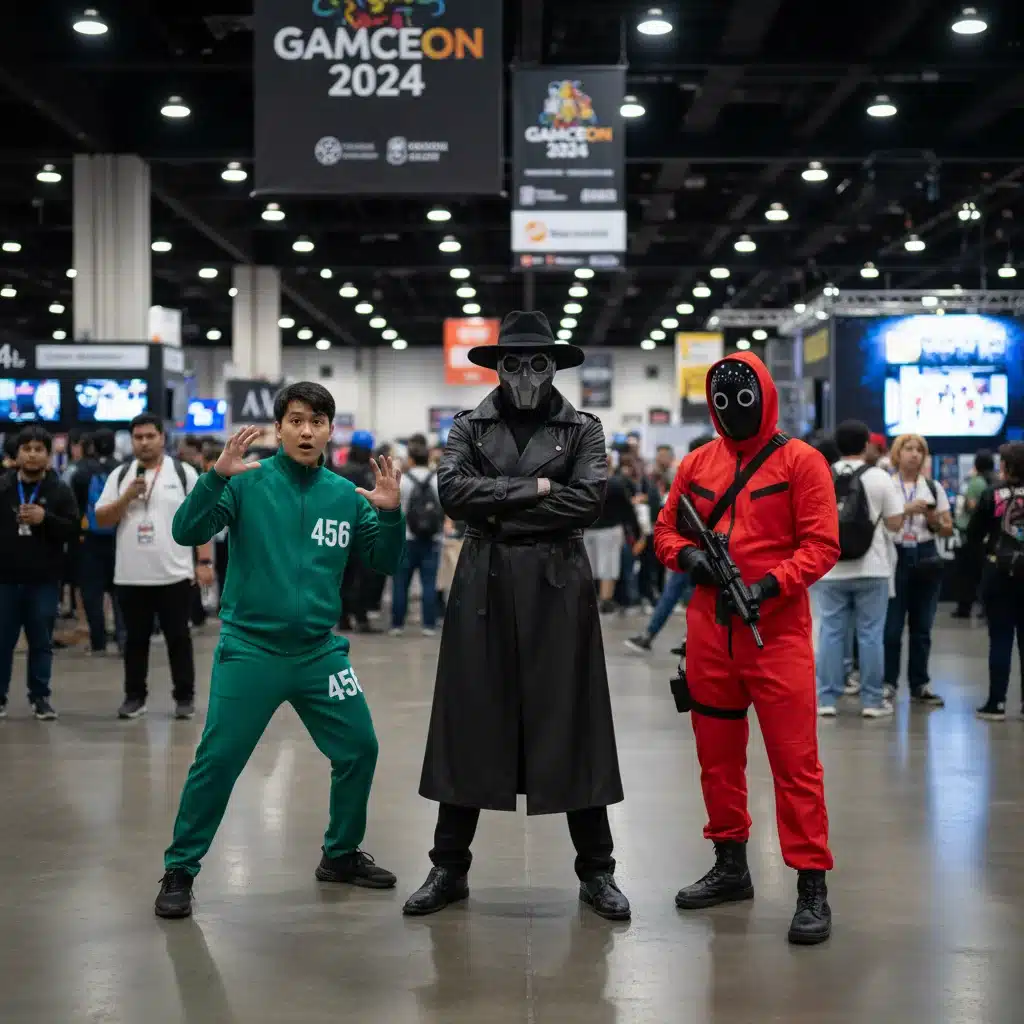
Beyond the standard uniforms, the enigmatic Front Man remains a highly sought-after cosplay. His sleek, black trench coat, black mask, and commanding presence offer a striking silhouette that stands out. Cosplayers dedicated to this character often invest in high-quality materials for the coat and focus on replicating the intricate details of the mask for maximum impact. The ‘Squid Game’ trend also extends to the less frequently seen VIPs, with their elaborate animal masks and luxurious attire, offering a more opulent and mysterious cosplay option for those looking to differentiate themselves.
The beauty of ‘Squid Game’ cosplay lies in its versatility. It can be a simple, recognizable costume for beginners, or it can be elevated with intricate details, props, and group dynamics for more experienced cosplayers. The thematic ensembles allow for creative storytelling within the convention space, with groups staging mini-scenes or interactions that reference the show. This trend also benefits from its strong visual branding, making it easy for attendees to instantly identify and appreciate the effort. The continued relevance of ‘Squid Game’ merchandise and discussions also keeps these costumes fresh in the minds of the cosplay community, ensuring its prominent place in future conventions.
4. The Rise of Fantasy and Mythological Characters: From Goblins to Gumiho
K-Dramas have a rich tradition of weaving fantasy and mythological elements into their narratives, creating visually stunning worlds and unforgettable characters. In 2026, this genre is set to dominate K-Drama cosplay trends, with characters ranging from ancient goblins to nine-tailed foxes (gumiho) making a significant impact. Shows like ‘Goblin (Guardian: The Lonely and Great God)’, ‘Tale of the Nine-Tailed’, and ‘Doom at Your Service’ provide a wealth of inspiration for cosplayers looking to embrace the fantastical.
The titular Goblin (Kim Shin) from ‘Goblin’ remains an iconic character, and cosplays inspired by him are expected to be refined and elevated. This includes meticulously tailored trench coats, often in rich, dark fabrics, paired with sophisticated knitwear and accessories that hint at his ancient existence. The challenge for cosplayers is to capture his melancholic yet powerful aura, often through subtle makeup and expressions. Similarly, the Grim Reaper offers a striking contrast with his all-black attire and signature hat, presenting an opportunity for dramatic and elegant cosplay.
Gumiho characters, particularly those from ‘Tale of the Nine-Tailed’, are another major draw. Lee Yeon and Lee Rang’s distinct styles offer different avenues for cosplayers. Lee Yeon’s modern yet traditional aesthetic, often involving stylish suits with subtle nods to his mythological nature (like his distinctive eye color), provides a sophisticated option. Lee Rang, with his more rebellious and flamboyant style, allows for greater creative freedom, incorporating bolder colors and more dramatic makeup. The key element for gumiho cosplays is often the realistic portrayal of their fox features, such as ears and tails, which require careful crafting and integration into the overall costume. Special effects makeup can also play a significant role in enhancing the mystical quality of these characters.
‘Doom at Your Service’ also contributes to this trend with its unique blend of urban fantasy and romance. Characters like Myul Mang, with his dark, brooding aesthetic and subtle supernatural elements, offer intriguing cosplay possibilities. The focus here is often on the quality of the garments, the overall mood, and the subtle hints of their extraordinary powers. The popularity of these fantasy and mythological characters reflects a desire among cosplayers to explore more elaborate makeup techniques, intricate prop work (such as swords or magical artifacts), and the challenge of embodying non-human characteristics. This trend allows for immense creativity and often results in some of the most visually spectacular and imaginative costumes at conventions.
5. Everyday Heroes and Relatable Realism: The Comfort and Charm of Modern Life
While grand historical attire and fantastical beings capture attention, another significant emerging K-Drama cosplay trend for 2026 is the celebration of everyday heroes and relatable realism. This trend draws inspiration from slice-of-life dramas, romantic comedies, and dramas focusing on ordinary people facing extraordinary circumstances. Shows like ‘Hometown Cha-Cha-Cha’, ‘Extraordinary Attorney Woo’, and ‘Twenty-Five Twenty-One’ provide a wealth of accessible yet charming cosplay options.
The appeal of this trend lies in its relatability and comfort. Cosplayers can embody characters whose styles are often chic, comfortable, and reflective of modern Korean fashion. For ‘Hometown Cha-Cha-Cha’, expect to see cosplayers recreating Yoon Hye-jin’s stylish yet practical outfits, often featuring flowy dresses, well-tailored blouses, and comfortable cardigans, reflecting her city-to-seaside transition. Hong Du-sik’s versatile, easygoing style, often involving practical workwear mixed with casual pieces, also offers a popular and comfortable choice. The key here is in capturing the essence of their personalities through their wardrobe – approachable, warm, and authentic.
‘Extraordinary Attorney Woo’ has inspired a wave of cosplays focused on Woo Young-woo’s distinctive professional attire, often featuring her signature bob haircut, simple blouses, and smart skirts or trousers. The challenge here is less about elaborate construction and more about embodying her unique mannerisms, expressions, and the subtle details that make her character so beloved. Cosplayers might carry a whale plushie or incorporate other small props that instantly identify the character, relying on recognition of the character’s personality rather than just the outfit.
‘Twenty-Five Twenty-One’ offers a nostalgic trip to the late 90s and early 2000s, inspiring cosplays that are both trendy and sentimental. Characters like Na Hee-do and Baek Yi-jin provide outfits that are stylish yet achievable, often involving denim, graphic tees, track jackets, and retro sportswear. This trend allows for a more casual and comfortable cosplay experience, appealing to those who prefer to focus on character portrayal and the emotional connection to the story rather than intricate costume construction. It’s also a fantastic entry point for new cosplayers, as many pieces can be sourced from their existing wardrobes or thrift stores.
This trend highlights the power of K-Dramas to make even everyday life feel compelling and stylish. It emphasizes character-driven cosplay, where the personality and essence of the character shine through simple yet thoughtfully chosen outfits. It’s a testament to the fact that not all impactful cosplays need to be elaborate; sometimes, the most resonant portrayals come from the characters we see ourselves in.
Conclusion: The Ever-Evolving Canvas of K-Drama Cosplay
As we anticipate the vibrant scenes at US conventions in 2026, the landscape of K-Drama cosplay trends promises to be more diverse, creative, and passionate than ever before. From the sophisticated allure of anti-heroes and the breathtaking elegance of historical figures to the iconic simplicity of ‘Squid Game’ uniforms, the mystical charm of fantasy creatures, and the relatable comfort of everyday heroes, K-Dramas continue to provide an endless wellspring of inspiration for cosplayers. These trends are not just about replicating costumes; they are about embodying beloved characters, celebrating shared stories, and connecting with a global community of fans who appreciate the artistry and emotional depth of Korean dramas.
The dedication of cosplayers to meticulously craft their outfits, research their characters, and bring them to life with authenticity is a testament to the profound impact K-Dramas have on popular culture. Whether it’s through intricate embroidery on a hanbok, the sharp tailoring of a mafia lawyer’s suit, or the subtle nuances of a beloved attorney’s expression, each cosplay tells a story and contributes to the rich tapestry of fan culture. As the K-Drama phenomenon continues to grow, so too will the creativity and innovation within its cosplay community. So, get ready to witness an explosion of talent and passion at conventions in 2026, as these top K-Drama cosplay trends take center stage, inspiring awe and celebrating the magic of Korean storytelling.