Hanbok’s Rise: Traditional Korean Fashion Capturing US Niche Markets
The Rise of Hanbok: How Traditional Korean Fashion is Gaining a 15% Share in US Niche Markets by 2026
In an increasingly globalized world, fashion often acts as a powerful ambassador of culture. While Western styles have long dominated international runways and retail spaces, a quiet yet profound revolution is taking place. Traditional Korean fashion, known as Hanbok, is experiencing an unprecedented resurgence, not just within its homeland but significantly across the globe, particularly in the United States. This isn’t merely a fleeting trend; it’s a calculated and organic growth, with projections indicating that Hanbok is set to capture a remarkable 15% share in US niche fashion markets by 2026. This article delves into the multifaceted reasons behind this fascinating phenomenon, exploring the cultural significance, design evolution, and strategic market penetration of Hanbok US market expansion.
Understanding Hanbok: A Legacy Woven in Silk and History
To truly appreciate the current trajectory of Hanbok, one must first understand its rich historical and cultural tapestry. Hanbok, meaning ‘Korean clothing,’ refers to the traditional attire of the Korean people. Its origins can be traced back to the Three Kingdoms period (57 BC–668 AD), with its fundamental design principles evolving over centuries. Characterized by vibrant colors, simple lines, and a distinctive silhouette, Hanbok is more than just clothing; it’s a wearable piece of Korean identity, art, and philosophy.
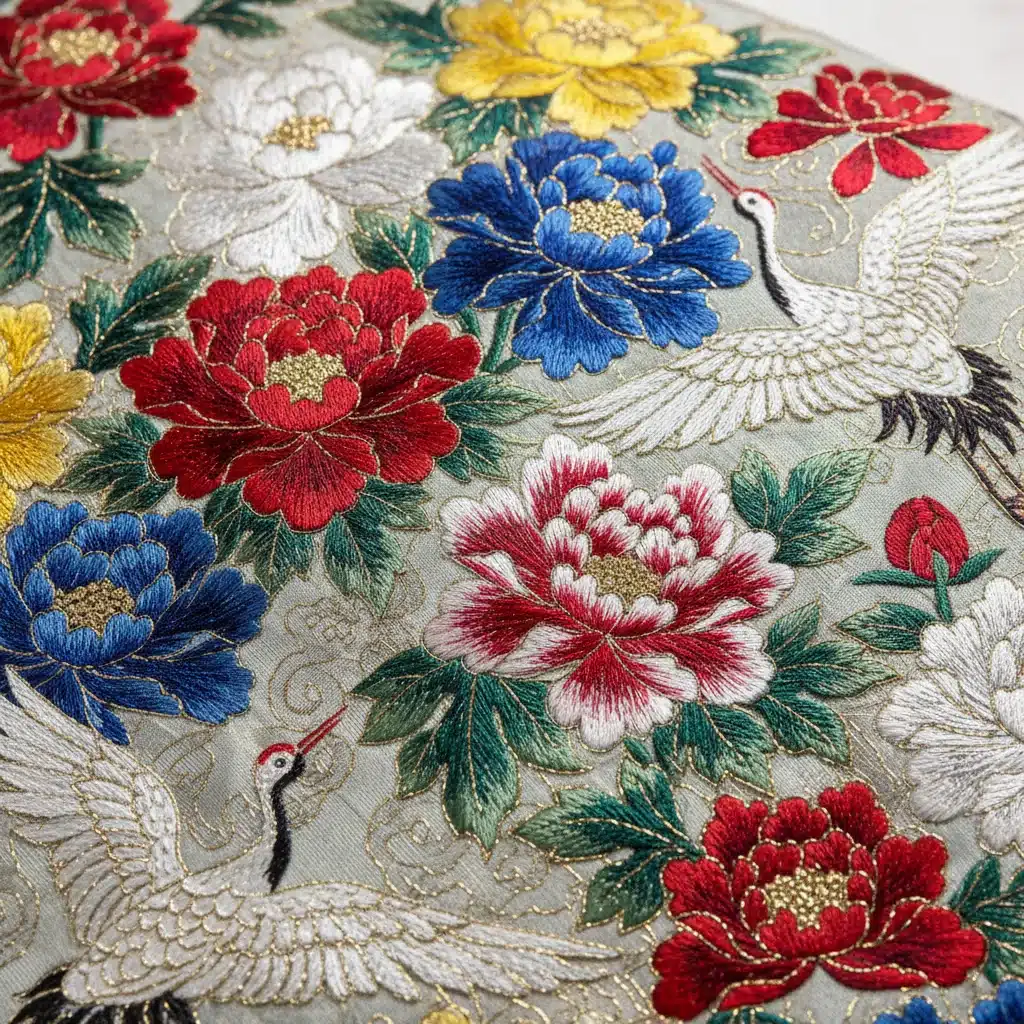
The traditional Hanbok for women consists of a jeogori (a short jacket) and a full, high-waisted chima (skirt), creating an elegant bell-shaped silhouette. Men’s Hanbok typically includes a jeogori, baji (trousers), and often a po (outer coat). The fabrics traditionally used are silk, ramie, and cotton, often adorned with intricate embroidery and natural dyes. Each element, from the choice of color to the subtle patterns, carried symbolic meaning, reflecting social status, marital status, and personal aspirations.
For generations, Hanbok was the everyday wear of Koreans. However, with the advent of Westernization in the late 19th and early 20th centuries, its daily use declined, largely reserved for special occasions like weddings, Lunar New Year, and traditional festivals. For a long time, it was perceived as a relic of the past, beautiful but impractical for modern life. This perception, however, has dramatically shifted, paving the way for its current global renaissance and the burgeoning Hanbok US market presence.
The Hallyu Wave’s Impact: A Catalyst for Hanbok’s Global Appeal
The most significant driving force behind Hanbok’s international recognition is undoubtedly the Hallyu, or Korean Wave. This cultural phenomenon, encompassing K-Pop, K-Dramas, Korean cinema, and K-Beauty, has captivated audiences worldwide, fostering an immense curiosity and appreciation for all things Korean. As global consumers immerse themselves in Korean entertainment, they are exposed to the beauty and elegance of Hanbok, often featured prominently in historical dramas and even subtly referenced in contemporary media.
K-Pop idols, known for their trendsetting fashion, have occasionally incorporated Hanbok elements into their stage costumes and music videos, introducing it to a younger, fashion-conscious demographic. Similarly, critically acclaimed K-Dramas set in historical periods, such as ‘Kingdom’ or ‘Mr. Sunshine,’ have showcased Hanbok’s grandeur and versatility to millions of international viewers. This exposure has demystified traditional Korean attire, transforming it from an exotic garment into an aspirational fashion statement.
The Hallyu wave has not only created a demand for Korean cultural products but has also cultivated a deeper understanding and respect for Korean heritage. This cultural resonance is crucial for the Hanbok US market, as consumers are not just buying clothes; they are investing in a piece of culture, history, and a connection to a beloved entertainment genre. This emotional connection is far more powerful than mere aesthetic appeal.
Modernization and Adaptability: Hanbok’s Evolution for Contemporary Lifestyles
While traditional Hanbok holds immense charm, its original form is not always practical for daily wear in modern Western societies. Recognizing this, Korean designers, both established and emerging, have spearheaded a movement to modernize Hanbok, making it more accessible, comfortable, and versatile without sacrificing its inherent beauty and cultural essence. This adaptability is key to its success in the US niche markets.
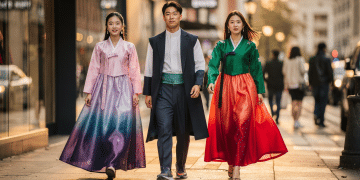
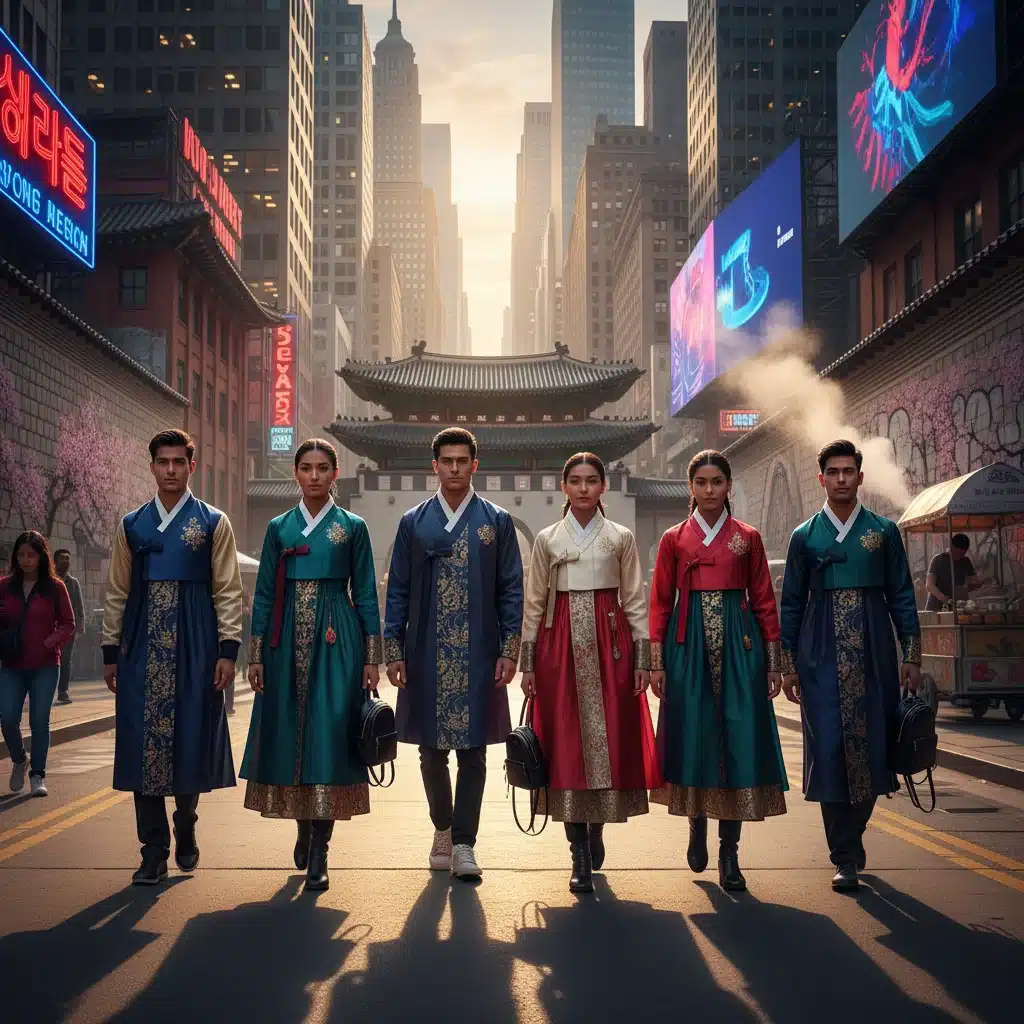
Modern Hanbok often features lighter fabrics, simplified silhouettes, and a broader range of colors and patterns that appeal to contemporary tastes. Designers are experimenting with different lengths for jeogori and chima, incorporating elements like pockets, and even creating separates that can be mixed and matched with Western clothing. The goal is to create ‘everyday Hanbok’ that can be worn for various occasions, from casual outings to semi-formal events, rather than being confined to special ceremonies.
For instance, some modern Hanbok designs incorporate elements like denim or knit fabrics, offering a fusion aesthetic that bridges the gap between traditional and contemporary. Others focus on creating minimalist Hanbok, emphasizing clean lines and monochromatic palettes. This innovation has broadened Hanbok’s appeal beyond those with direct Korean heritage, attracting fashion enthusiasts who appreciate unique, elegant, and culturally rich clothing.
Strategic Market Penetration: Targeting US Niche Segments
The projected 15% share in US niche markets by 2026 is not a random figure; it’s a testament to strategic market penetration efforts. Instead of attempting to compete directly with mainstream fast fashion, Hanbok brands are wisely focusing on niche segments where their unique value proposition resonates most strongly. These segments include:
- Cultural Enthusiasts: Individuals, both Korean diaspora and non-Korean, who have a deep appreciation for Korean culture, often spurred by the Hallyu wave. They seek authentic cultural experiences and unique fashion statements.
- Sustainable and Ethical Fashion Consumers: Hanbok, with its emphasis on natural materials, intricate craftsmanship, and timeless design, aligns well with the growing demand for sustainable and ethically produced clothing. Many Hanbok pieces are handmade and designed to last, contrasting sharply with the ‘fast fashion’ model.
- Special Occasion Wear: For weddings, proms, cultural festivals, and themed parties, modern Hanbok offers a distinctive and elegant alternative to conventional formal wear. Its photogenic qualities also make it popular for photography shoots and social media content.
- Fashion Innovators and Early Adopters: Trendsetters who are constantly looking for unique, avant-garde pieces that stand out from the crowd. Modern Hanbok, with its unique silhouette and design possibilities, offers a fresh perspective.
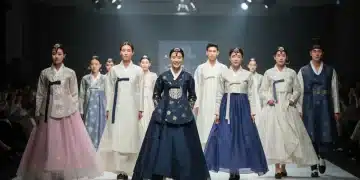
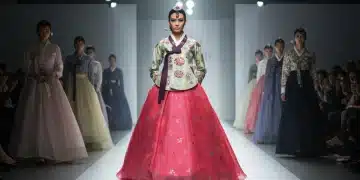
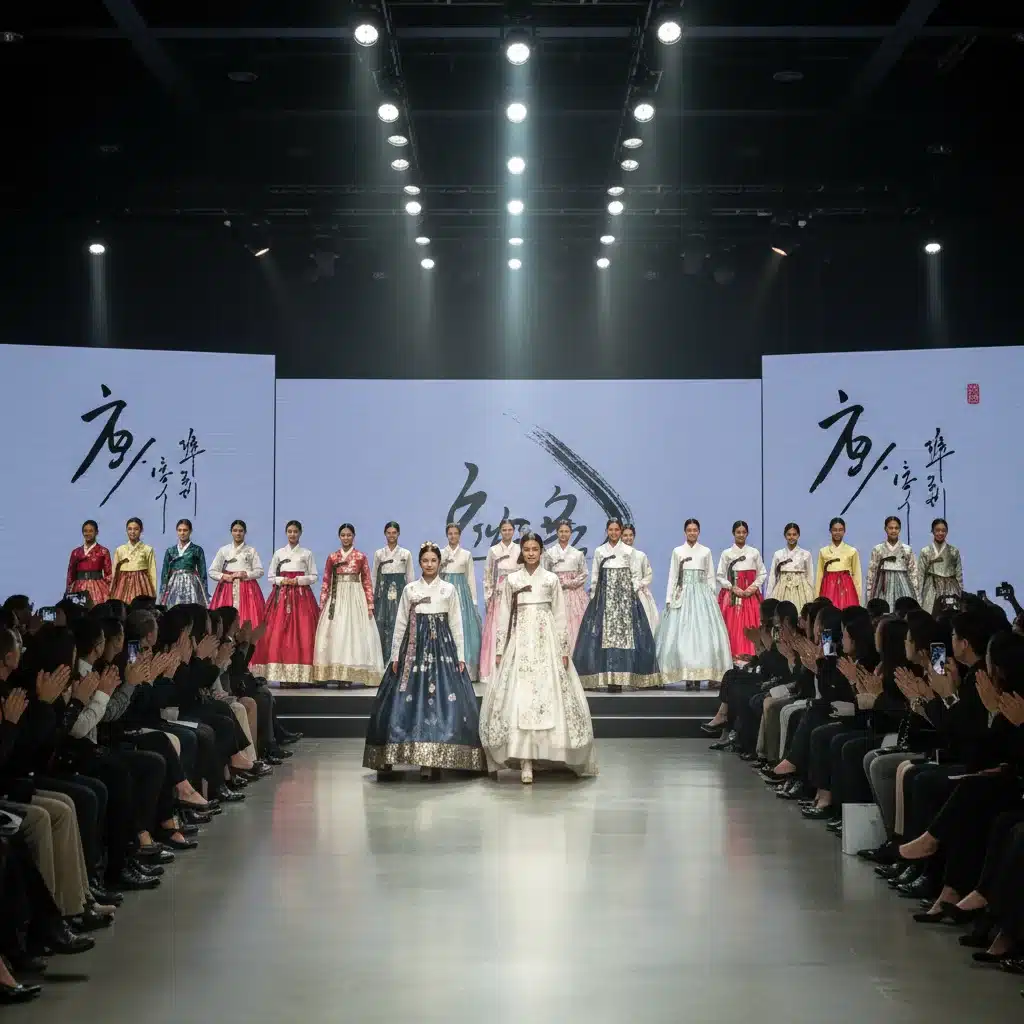
Online platforms, social media marketing, and collaborations with influencers have played a crucial role in reaching these niche audiences. Hanbok designers and retailers are leveraging platforms like Instagram and TikTok to showcase the versatility and beauty of their creations, often featuring diverse models to emphasize inclusivity and broad appeal. Pop-up shops in major US cities and participation in international fashion weeks also help to raise visibility and create immersive brand experiences for the Hanbok US market.
Economic Implications and Future Growth Potential
The increasing demand for Hanbok in the US niche market has significant economic implications. It stimulates economic activity in Korea, supporting traditional artisans, textile manufacturers, and designers. It also creates opportunities for US-based retailers and entrepreneurs who specialize in ethnic fashion or seek to diversify their offerings.
The 15% market share by 2026 is an ambitious yet achievable goal, considering the current growth trajectory and the sustained global interest in Korean culture. This growth is not just about sales; it’s about establishing Hanbok as a legitimate and respected category within the global fashion landscape. As more celebrities and public figures embrace Hanbok, its mainstream appeal is likely to grow further, potentially expanding beyond niche markets in the long term.
Moreover, the success of Hanbok could pave the way for other traditional garments from various cultures to find their place in the global fashion scene. It highlights a broader shift in consumer preferences towards unique, culturally significant, and ethically produced clothing, moving away from mass-produced, homogenous styles.
Challenges and Opportunities for Hanbok in the US
Despite its promising growth, Hanbok’s expansion in the US market is not without its challenges. One primary hurdle is educating consumers about the proper way to wear and care for Hanbok, especially its more traditional forms. Cultural nuances and etiquette surrounding Hanbok need to be communicated effectively to avoid cultural appropriation and promote respectful appreciation.
Another challenge lies in pricing. Authentic, well-made Hanbok, especially those using traditional fabrics and hand-embroidery, can be expensive, potentially limiting its accessibility to a broader audience. Designers are addressing this by offering a range of price points, from more affordable everyday Hanbok made with blended fabrics to luxurious bespoke pieces.
However, these challenges also present opportunities. Educational initiatives, workshops, and clear styling guides can empower consumers and deepen their connection to the garment. The perception of Hanbok as a premium, artisanal product can also be leveraged to position it as a luxury item, appealing to discerning buyers who value craftsmanship and exclusivity. Furthermore, collaborations with US designers and fashion schools could foster cross-cultural innovation and introduce Hanbok to new design aesthetics, further cementing its place in the Hanbok US market.
The Future of Hanbok: Beyond 2026
Looking beyond the 2026 projection, the future of Hanbok in the US market appears bright and dynamic. The continued influence of Hallyu, coupled with ongoing design innovation and strategic marketing, will likely sustain its growth. We can anticipate more fusion collections, where Hanbok elements are subtly integrated into Western clothing, creating unique hybrid styles.
The emphasis on sustainability and ethical production will also continue to be a strong selling point for Hanbok. As consumers become more conscious of their fashion choices’ environmental and social impact, traditional garments made with natural materials and artisanal techniques will gain further traction. This aligns perfectly with the inherent values of Hanbok production.
Moreover, the increasing diversity of the US population and the growing appreciation for multiculturalism will continue to fuel interest in traditional fashions from around the world. Hanbok is at the forefront of this movement, representing a beautiful blend of history, art, and contemporary style. Its journey from historical attire to a significant player in the US niche fashion market is a testament to its enduring appeal and the power of cultural exchange.
Conclusion
The story of Hanbok’s resurgence and its projected 15% market share in US niche fashion markets by 2026 is a compelling narrative of cultural revival and global fashion evolution. Driven by the powerful Hallyu wave, propelled by innovative designers, and strategically positioned for niche audiences, Hanbok is transcending its traditional boundaries. It’s becoming a symbol of elegance, cultural pride, and sustainable fashion, captivating the hearts of fashion enthusiasts across the United States. As it continues to adapt and innovate, Hanbok is not just reclaiming its past glory; it’s defining a vibrant new future in the global fashion landscape, proving that tradition and modernity can beautifully coalesce to create something truly extraordinary in the Hanbok US market.