K-Drama Review Spotlight: Analyzing the Impact of ‘Urban Legends’ on U.S. Viewership in 2026
K-Drama Review Spotlight: Analyzing the Impact of ‘Urban Legends’ on U.S. Viewership in 2026
The landscape of global entertainment is constantly shifting, and in 2026, one phenomenon continues its relentless ascent: K-Dramas. While romantic comedies and intricate thrillers have long held sway, a new breed of Korean storytelling has begun to capture the imagination of international audiences, particularly in the United States. Our focus today is on a series that has defied conventional expectations and carved out a significant niche for itself: ‘Urban Legends’. This K-Drama, a masterclass in psychological horror and cultural commentary, has not only garnered critical acclaim but has also witnessed an unprecedented surge in U.S. viewership throughout 2026. This comprehensive review will delve deep into what makes ‘Urban Legends’ such a compelling watch, analyze its unique appeal to American audiences, and explore the broader implications of its success.
The Genesis of ‘Urban Legends’: A Deep Dive into Korean Folklore and Modern Fear
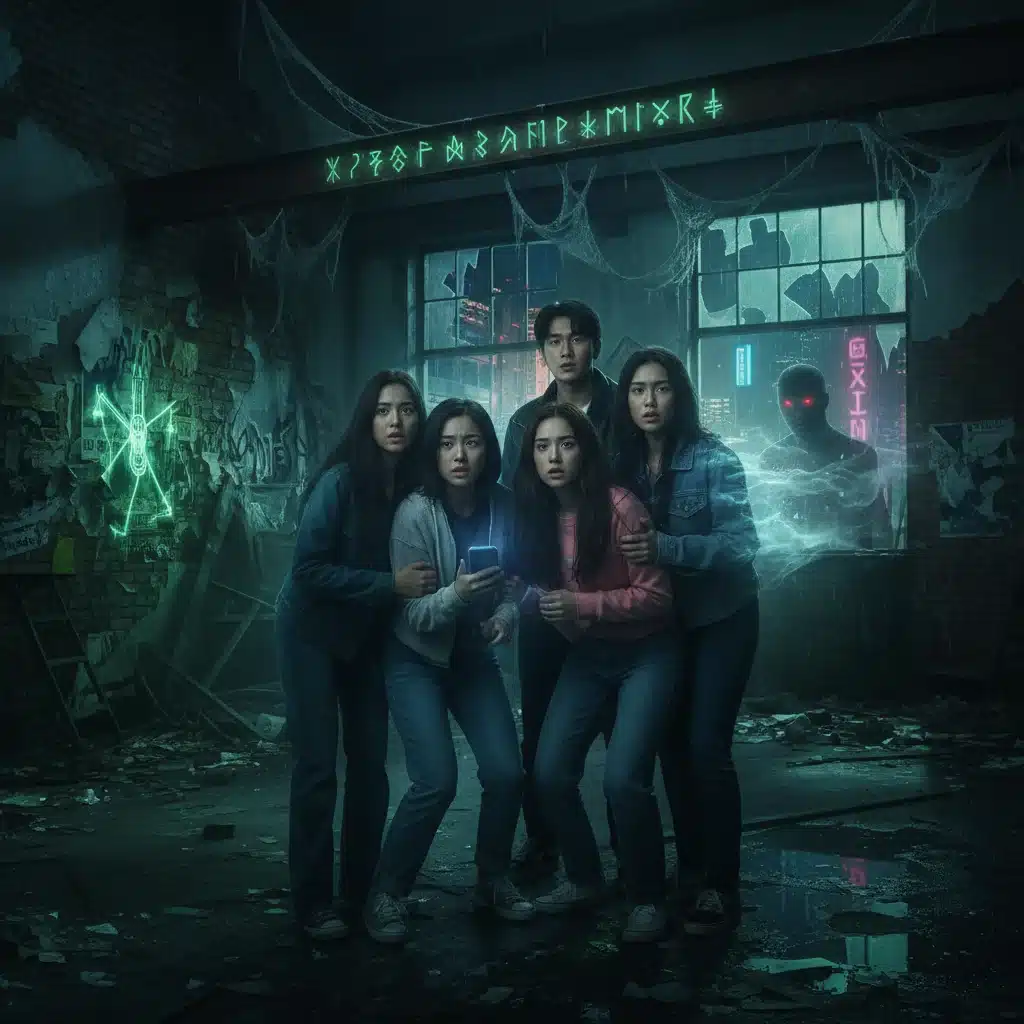
At its core, ‘Urban Legends’ is more than just a horror series; it’s a meticulously crafted anthology that taps into the rich tapestry of Korean folklore while simultaneously addressing contemporary societal anxieties. Each episode presents a standalone narrative, exploring a different urban myth or superstition, often with a chillingly modern twist. This episodic structure is a significant factor in its appeal, allowing viewers to jump in at any point without feeling lost, yet each story contributes to a larger thematic exploration of fear, morality, and the unknown.
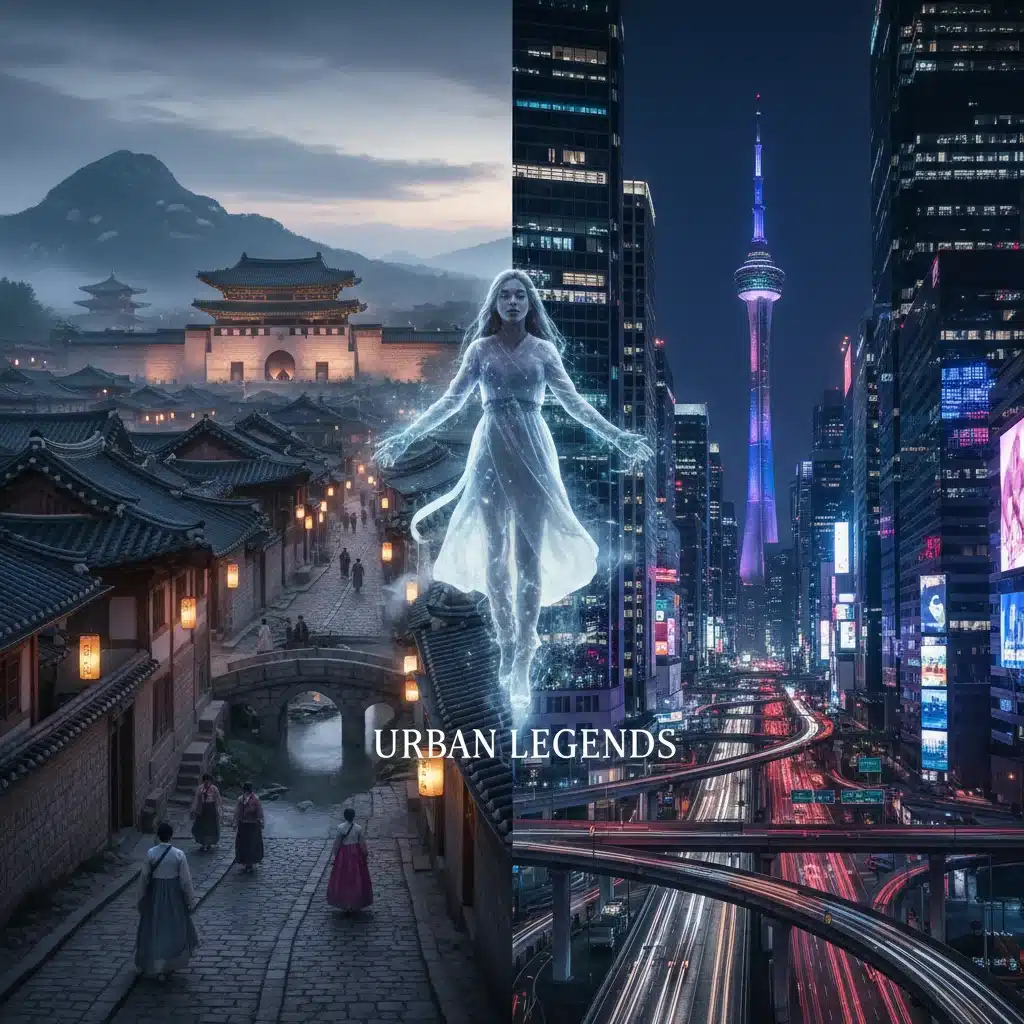
The series masterfully blends traditional Korean supernatural elements – vengeful ghosts, cursed objects, and ancient rituals – with very real, modern-day fears such as technological surveillance, social isolation, and the pressures of a hyper-competitive society. This fusion creates a unique brand of horror that is both culturally specific and universally relatable. The monsters aren’t always grotesque creatures; sometimes, they are reflections of human nature at its darkest, or the insidious consequences of unchecked ambition and societal neglect. This nuanced approach elevates ‘Urban Legends’ beyond mere jump scares, offering a thought-provoking and often disturbing commentary on the human condition.
The production quality is another undeniable strength. From the haunting cinematography that often utilizes stark contrasts and unsettling shadows, to the meticulously designed soundscapes that build tension with unnerving precision, every technical aspect of ‘Urban Legends’ contributes to its immersive and terrifying atmosphere. The performances by the ensemble cast are consistently strong, with actors delivering nuanced portrayals of characters grappling with unimaginable horrors, making their fear and desperation palpable to the audience. This dedication to craft ensures that the horror is not just superficial but deeply unsettling.
Unpacking the Appeal: Why ‘Urban Legends’ Resonates with U.S. Viewers in 2026
The success of ‘Urban Legends’ in the U.S. market in 2026 is a testament to the evolving tastes of American audiences and the growing global appetite for diverse storytelling. Several factors contribute to its significant impact:
1. The Universal Language of Fear
While the specific myths in ‘Urban Legends’ are rooted in Korean culture, the underlying themes of fear, vulnerability, and the unknown are universal. American audiences, accustomed to their own rich tradition of urban legends and horror, find common ground in the psychological terror and suspense that the series expertly delivers. The fear of what lurks in the shadows, the consequences of past actions, or the malevolent forces beyond our comprehension transcends cultural boundaries. ‘Urban Legends’ taps into these primal fears with an intensity and originality that stands out in a crowded horror genre.
2. A Fresh Perspective on Horror
American horror, while diverse, can sometimes fall into predictable tropes. ‘Urban Legends’ offers a refreshing alternative. Its approach to horror is often more psychological and atmospheric, relying less on gore and more on building dread and unsettling narratives. This sophisticated brand of horror appeals to viewers looking for something beyond typical slasher films or creature features. The cultural nuances and unique storytelling techniques provide a novel experience, making it a captivating watch for those seeking a different kind of fright. The series’ ability to weave social commentary into its horror narratives also adds a layer of depth often missing in more conventional horror productions.
3. High Production Value and Engaging Storytelling
As mentioned earlier, the production quality of ‘Urban Legends’ is exceptional. American audiences, increasingly accustomed to high-budget, cinematic television, appreciate the meticulous attention to detail in every aspect of the series. The compelling narratives, often featuring unexpected twists and turns, keep viewers on the edge of their seats. Each episode feels like a self-contained horror film, providing a satisfying and complete viewing experience. This commitment to quality storytelling and visual excellence makes ‘Urban Legends’ a standout in the competitive streaming landscape.
4. The Rise of K-Culture and Accessibility
The broader phenomenon of ‘Hallyu‘ or the Korean Wave has paved the way for series like ‘Urban Legends’. With the increased availability of K-Dramas on major streaming platforms, American audiences have unprecedented access to a vast array of Korean content. Subtitles and dubbing options have removed language barriers, allowing more viewers to engage with these stories. The success of other K-Dramas in various genres has created a receptive audience for Korean storytelling, making it easier for a horror series like ‘Urban Legends’ to find its footing and thrive. The groundwork laid by previous K-Drama hits has created a fertile ground for new and diverse Korean content to flourish.
Cultural Nuances and Their Impact on U.S. Viewership
One of the most fascinating aspects of ‘Urban Legends’ is how it navigates cultural specificity while achieving global appeal. The series doesn’t shy away from its Korean roots; in fact, it embraces them. This authenticity is part of its charm. For American viewers, ‘Urban Legends’ offers a window into Korean culture, exposing them to different social customs, architectural styles, and traditional beliefs that are often intertwined with the horror elements.
Understanding Korean Superstitions and Beliefs
The series often introduces viewers to specific Korean superstitions, such as the significance of certain numbers, the concept of ‘han’ (a deep-seated resentment or grief), or the rituals performed to appease spirits. While these might be unfamiliar to some American viewers, the context provided within the narratives makes them understandable and, more importantly, terrifying. The show’s ability to explain these cultural elements organically, without resorting to clunky exposition, enhances the viewing experience and educates the audience subtly. This cultural exchange enriches the horror, adding layers of meaning that might be absent in more generic horror fare.
Social Commentary Through a Horror Lens
Beyond the supernatural, ‘Urban Legends’ frequently uses its horror narratives to comment on pressing social issues within Korea. These issues, while specific to the Korean context, often have parallels in American society. Themes such as the immense pressure on students, the dangers of online anonymity, the exploitation of the vulnerable, or the consequences of technological over-reliance resonate deeply with American audiences. The horror becomes a metaphor for these societal ills, making the scares more profound and impactful. This blend of horror and social critique elevates the series beyond simple entertainment, making it a thought-provoking piece of art.
The Role of Aesthetics and Atmosphere
The visual aesthetics of ‘Urban Legends’ also play a crucial role in its cross-cultural appeal. Korean horror often employs a distinct visual style characterized by its atmospheric tension, subtle psychological dread, and sometimes stark, minimalist beauty. This aesthetic, different from typical Hollywood horror, offers a fresh visual language that captivates American viewers. The use of traditional Korean architecture, clothing, and natural landscapes, often imbued with an eerie quality, adds another layer of intrigue and visual richness. The show’s ability to create a palpable sense of unease through its visual and auditory design is a key factor in its success.
Case Studies from ‘Urban Legends’: Episodes That Struck a Chord
To illustrate the impact of ‘Urban Legends’, let’s briefly look at a couple of hypothetical episodes that exemplify its appeal:
Episode: ‘The Echoing Stairwell’
This episode, a standout in its season, centers around a seemingly ordinary stairwell in an old apartment building where residents report hearing ghostly echoes and seeing fleeting shadows. The legend suggests that anyone who counts all the steps from top to bottom and back up without error will unlock a terrifying truth. The episode masterfully builds suspense, using sound design to create an oppressive atmosphere. It taps into the universal fear of the unknown within mundane spaces. For American audiences, this resonated with classic haunted house tropes but with a distinct Korean flavor, emphasizing the psychological toll of isolation and the lingering presence of past tragedies. The reveal, often a commentary on urban decay or forgotten lives, leaves a lasting impression.
Episode: ‘The Streamer’s Curse’
A more contemporary tale, this episode follows a popular livestreamer who, in an attempt to gain more followers, ventures into a notoriously haunted abandoned hospital. What starts as a cynical stunt quickly devolves into a terrifying ordeal as malevolent spirits begin to manifest, not just in the hospital but also through the stream itself, affecting his online audience. This episode was particularly impactful for U.S. viewers, addressing modern anxieties about social media validation, the blurring lines between reality and online personas, and the dangers of exploiting the supernatural for fame. The interactive element, where the audience witnesses the horror through the streamer’s camera, created a heightened sense of realism and dread, making it incredibly effective.
The Future of K-Drama Horror in the U.S. Market
The success of ‘Urban Legends’ in 2026 is not an isolated incident but rather a significant indicator of a growing trend. It demonstrates that American audiences are increasingly open to and appreciative of diverse forms of horror storytelling. This bodes well for the future of K-Drama horror and indeed, global horror content as a whole. The series has effectively broadened the horizons of what constitutes ‘horror’ for many viewers, proving that cultural specificity can enhance, rather than detract from, universal appeal.
Challenges and Opportunities
While the path seems bright, there are still challenges. Maintaining originality and avoiding formulaic approaches will be crucial for future K-Drama horror productions. The strength of ‘Urban Legends’ lies in its ability to constantly innovate within the anthology format. For the U.S. market, continued efforts in effective marketing and accessibility (dubbing quality, accurate subtitles) will ensure that these shows reach an even wider audience. Furthermore, understanding the nuances of American horror preferences while staying true to Korean storytelling traditions will be a delicate balance to strike.
The opportunity, however, is immense. ‘Urban Legends’ has shown that there is a significant appetite for intelligent, atmospheric, and culturally rich horror. This success can pave the way for more experimental and diverse K-Drama genres to find a receptive audience in the U.S., further cementing South Korea’s position as a global entertainment powerhouse. The series acts as a gateway, inviting viewers to explore more of what Korean cinema and television have to offer beyond the mainstream hits.
Conclusion: ‘Urban Legends’ – A Landmark in K-Drama’s Global Domination
In conclusion, ‘Urban Legends’ stands as a pivotal K-Drama in 2026, not just for its gripping horror but for its profound impact on U.S. viewership. It has successfully demonstrated that authentic, culturally rich storytelling, when executed with high production values and universal themes, can transcend geographical and linguistic barriers. The series offers a chilling yet intellectually stimulating experience, proving that fear, in its most refined form, is a language understood by all. Its ability to blend traditional Korean folklore with modern anxieties, all wrapped in a visually stunning and psychologically unsettling package, has made it an undeniable hit.
For those looking for a truly unique and terrifying viewing experience, ‘Urban Legends’ is an absolute must-watch. It’s a testament to the power of K-Drama to innovate, challenge, and captivate audiences worldwide. Its success in the U.S. market signals a continued appetite for diverse, high-quality international content, pushing the boundaries of what global entertainment can achieve. The K-Drama ‘Urban Legends’ is not just a show; it’s a cultural phenomenon that continues to shape the future of horror and global television in 2026 and beyond.
The series has redefined what audiences expect from horror, moving beyond cheap thrills to deliver narratives that linger long after the credits roll. It encourages viewers to think, to question, and to confront their own fears, both real and imagined. This sophisticated approach is precisely why ‘Urban Legends’ has resonated so deeply with American audiences and why its influence is likely to endure for years to come. The K-Drama ‘Urban Legends’ has not only entertained but has also opened a dialogue about fear, culture, and humanity in a way that few other shows have managed to do. Its legacy will undoubtedly inspire a new generation of creators to explore the darker corners of storytelling with similar courage and creativity.