Korean Hanbok Trends 2026: Style Evolution & US Popularity
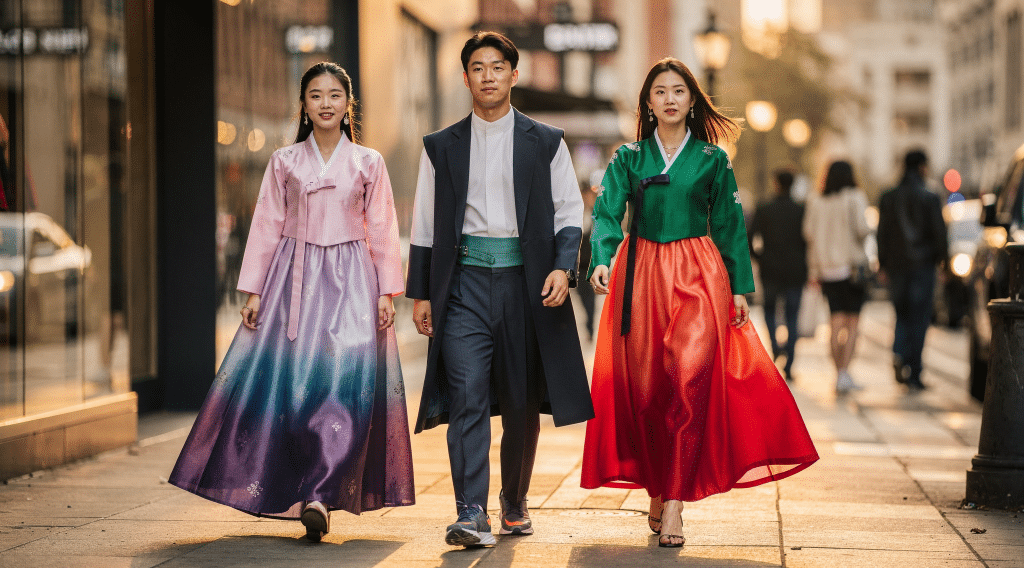
In an increasingly interconnected world, where cultural boundaries blur and global fashion influences reign supreme, one traditional attire is making an undeniable resurgence: the Korean Hanbok. Far from being relegated to historical reenactments or ceremonial events, the Hanbok is experiencing a vibrant renaissance, captivating fashion enthusiasts worldwide. As we look towards 2026, the trajectory of Korean Hanbok Trends points to an exciting evolution, with a remarkable 15% surge in popularity noted in the United States alone. This isn’t merely a fleeting trend; it’s a testament to the Hanbok’s timeless elegance, adaptability, and the growing appreciation for Korean culture.
This comprehensive guide will delve deep into the stylistic shifts, innovative designs, and cultural forces propelling the Hanbok into the global spotlight. We’ll explore why this traditional garment is resonating with a new generation, what specific trends are dominating the scene, and how its increasing visibility is fostering a deeper understanding and appreciation of Korean heritage. Whether you’re a fashion connoisseur, a cultural enthusiast, or simply curious about this beautiful attire, prepare to be enchanted by the unfolding story of the Hanbok.
The Enduring Allure of Hanbok: A Brief History and Modern Revival
To truly understand the current Korean Hanbok Trends, it’s essential to grasp its historical significance. The Hanbok, meaning "Korean clothing," has a rich history spanning over 1,600 years. Characterized by its vibrant colors, graceful lines, and often voluminous silhouettes, it traditionally consists of a jeogori (short jacket) and a chima (skirt) for women, and a jeogori and baji (trousers) for men. Its design is deeply rooted in Korean philosophy, emphasizing natural beauty, harmony, and fluidity of movement.
For centuries, the Hanbok was the daily wear of Koreans. However, with the onset of Westernization in the late 19th and early 20th centuries, its use gradually declined in favor of Western-style clothing. Yet, the Hanbok never truly disappeared. It remained a cherished symbol of national identity, reserved for special occasions like weddings, Lunar New Year, and Chuseok (Korean Thanksgiving).
The modern revival of Hanbok began subtly in the early 21st century, fueled by a renewed interest in traditional culture and the burgeoning influence of Hallyu (the Korean Wave). K-pop idols, K-drama stars, and even everyday fashionistas started incorporating Hanbok elements into their wardrobes, or wearing contemporary interpretations for public appearances. This cultural reawakening laid the groundwork for the significant growth we’re observing today, particularly in international markets like the US.
The 15% increase in popularity in the US isn’t coincidental. It’s a confluence of factors: the global reach of K-culture, the growing desire for unique and sustainable fashion, and the Hanbok’s inherent beauty and comfort. Designers are now reimagining the Hanbok, making it more accessible and versatile for modern lifestyles while preserving its core essence. This delicate balance between tradition and innovation is at the heart of the Korean Hanbok Trends we’ll explore for 2026.
Decoding the Driving Forces: Why Hanbok is Gaining Traction in the US
The surge in Hanbok’s popularity in the United States is a fascinating cultural phenomenon. Several key factors are contributing to this growth, transforming it from a niche interest to a significant player in the global fashion landscape.
The Pervasive Power of Hallyu (Korean Wave)
Without a doubt, the Korean Wave is the single most potent catalyst. K-pop groups like BTS and BLACKPINK, K-dramas such as "Squid Game" and "Pachinko," and Korean cinema like "Parasite" have introduced millions of Americans to Korean culture. When beloved idols or characters are seen wearing modern Hanbok or Hanbok-inspired outfits, it instantly sparks curiosity and desire. This exposure normalizes the attire and associates it with contemporary coolness and artistic expression.
A Quest for Uniqueness and Cultural Expression
In an era of fast fashion and mass production, consumers are increasingly seeking unique items that reflect their individuality and tell a story. Hanbok, with its rich history and distinctive aesthetics, offers a powerful alternative. Wearing a Hanbok, even a modern interpretation, is a statement of cultural appreciation, a connection to heritage, or simply a choice for distinctive elegance. For Korean Americans, it’s a way to proudly embrace their roots, while for others, it’s an exploration of global fashion and a celebration of diversity.
Comfort Meets Style: A Modern Appeal
Traditional Hanbok, with its loose-fitting silhouette, is inherently comfortable. Modern designers are capitalizing on this, adapting the designs to suit contemporary lifestyles. Lighter fabrics, shorter lengths, and more practical cuts make modern Hanbok suitable for a wider range of occasions, from casual outings to semi-formal events. This blend of comfort and undeniable style makes it an attractive option for fashion-conscious individuals in the US.
Sustainability and Ethical Fashion Movement
As consumers become more aware of the environmental and ethical impacts of their clothing choices, there’s a growing demand for sustainable and ethically produced garments. Many Hanbok designers emphasize natural fibers, traditional craftsmanship, and durable construction, aligning perfectly with the values of the slow fashion movement. Investing in a well-made Hanbok is seen as a purchase that lasts, moving away from disposable fashion culture.
Social Media and Digital Visibility
Platforms like Instagram, TikTok, and Pinterest play a crucial role in disseminating Korean Hanbok Trends. Influencers and everyday users share stunning Hanbok photos, tutorials on styling, and travel experiences in Korea where wearing Hanbok is a popular activity. This visual sharing creates a viral loop, inspiring more people to discover and try Hanbok themselves. The aesthetic appeal of Hanbok is highly photogenic, making it perfect for social media engagement.
These combined forces create a powerful momentum, suggesting that the Hanbok’s popularity in the US is not a passing fad but a sustained cultural integration into the broader fashion landscape. The 2026 outlook indicates even further diversification and innovation in how Hanbok is perceived and worn.
Key Korean Hanbok Trends for 2026: What’s Gaining 15% Popularity?
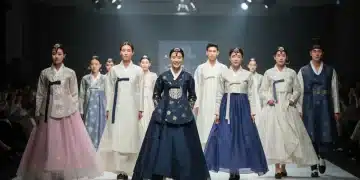
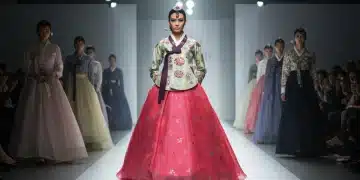
As we edge closer to 2026, several distinct Korean Hanbok Trends are emerging, reflecting a dynamic interplay between tradition and modernity. These trends are not only shaping the Korean fashion scene but are also significantly contributing to the 15% surge in Hanbok’s popularity within the US market.
1. The "Everyday Hanbok" Revolution
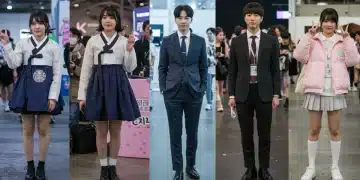
One of the most significant shifts is the move towards making Hanbok suitable for daily wear. Designers are creating lighter, more comfortable versions that retain the Hanbok’s aesthetic while being practical for modern life. Expect to see:
- Shorter Jeogori and Skirts: While traditional chima are floor-length, modern versions often feature midi or even knee-length skirts, paired with shorter jeogori for a more contemporary silhouette.
- Simplified Designs: Fewer layers, minimalist embroidery, and cleaner lines make these Hanboks less formal and more adaptable to various casual settings.
- Washable Fabrics: A departure from delicate silks, designers are increasingly using fabrics like cotton, linen, and blends that are easier to care for, making everyday wear more feasible.
2. Pastel Power and Muted Tones
While vibrant colors are a hallmark of traditional Hanbok, 2026 will see a strong emphasis on pastel palettes and muted, earthy tones. Think soft lavenders, dusty roses, mint greens, and serene blues. These colors offer a subtle elegance and are often easier to integrate into Western wardrobes, appealing to a broader audience in the US.
3. Fusion and Crossover Styles
The fusion Hanbok trend is not new, but it’s evolving. Designers are cleverly incorporating Hanbok elements into Western garments and vice versa. This includes:
- Hanbok-inspired Outerwear: Jackets and coats with git (collar) and dongjeong (white collar band) details, or the distinctive wide sleeves, are becoming popular.
- Dresses with Hanbok Silhouettes: Modern dresses featuring the high-waisted chima silhouette or the flowing lines of a traditional Hanbok are gaining traction.
- Accessory Integration: Traditional accessories like norigae (ornamental pendants) are being styled with contemporary outfits, adding a touch of Korean elegance.
4. Intricate Embroidery and Embellishments
Despite the move towards simplification in some areas, intricate embroidery is making a strong comeback, often with a modern twist. Expect to see:
- Metallic Threadwork: Gold and silver threads are being used to create shimmering, luxurious patterns on both traditional and modern Hanboks.
- Nature-Inspired Motifs: Flowers (peonies, chrysanthemums), birds (cranes, phoenixes), and natural landscapes remain popular, often rendered with artistic abstraction or minimalist lines.
- Subtle Beading and Sequins: Used sparingly, these embellishments add a touch of glamour without overpowering the garment’s natural grace.
5. Gender-Neutral and Inclusive Designs
The fashion world is increasingly embracing gender fluidity, and Hanbok is no exception. Designers are experimenting with gender-neutral Hanbok styles that challenge traditional norms, offering versatile pieces that can be worn by anyone. This includes unisex jackets, broader sizing, and designs that transcend conventional gendered aesthetics, making Hanbok more accessible and appealing to a diverse demographic.
6. Sustainable and Eco-Friendly Hanbok
Following global fashion trends, there’s a growing emphasis on sustainability within the Hanbok community. This means:
- Natural and Organic Fabrics: Use of organic cotton, hemp, and naturally dyed silks.
- Upcycling and Repurposing: Old Hanboks are being deconstructed and reimagined into new garments or accessories.
- Ethical Production: A focus on fair labor practices and transparent supply chains, appealing to environmentally and socially conscious consumers.
These Korean Hanbok Trends collectively paint a picture of a garment that is both deeply rooted in history and dynamically evolving for the future. Its adaptability, combined with its inherent beauty, positions it perfectly for continued growth and widespread adoption, especially in culturally curious markets like the US.
The Role of K-Pop and K-Dramas in Hanbok’s Global Ascent
It’s impossible to discuss the rising popularity of Hanbok, particularly the 15% surge in the US, without acknowledging the colossal influence of K-Pop and K-Dramas. These cultural phenomena have become powerful conduits, transporting Korean aesthetics and traditions to a global audience, thereby igniting a widespread fascination with Hanbok.
K-Pop Idols as Hanbok Ambassadors
K-Pop groups are not just musical acts; they are global fashion trendsetters. When idols like BTS or BLACKPINK incorporate Hanbok elements into their stage costumes, music videos, or even airport fashion, it instantly garners international attention. Their stylists are masters at blending traditional Hanbok silhouettes, fabrics, and patterns with contemporary streetwear or high fashion. This "modern Hanbok" look becomes aspirational, demonstrating that traditional attire can be incredibly chic and relevant.
- Music Video Impact: Iconic music videos featuring Hanbok-inspired outfits (e.g., BTS’s "IDOL" or BLACKPINK’s "How You Like That") have exposed millions to the beauty of the garment, making it cool and desirable.
- Performance Wear: Stage costumes that creatively reinterpret Hanbok ensure that its unique aesthetic is regularly showcased on global platforms, from award shows to world tours.
- Social Media Buzz: Fans eagerly dissect and emulate their idols’ fashion choices, leading to Hanbok-related content trending across social media platforms, further amplifying its reach.
K-Dramas: Storytelling Through Hanbok
K-Dramas, especially historical ones (sageuk), offer a visually stunning window into Korea’s past, with Hanbok playing a central role in character development and narrative. Even contemporary K-Dramas occasionally feature characters wearing modern Hanbok for special events, subtly integrating it into modern life.
- Historical Dramas: Series like "Kingdom," "Mr. Sunshine," or "The King’s Affection" showcase a breathtaking array of traditional Hanbok, highlighting its intricate details, societal significance, and evolving styles through different eras. Viewers become immersed in the visual splendor, developing an appreciation for the garment’s artistry.
- Modern Interpretations: When Hanbok appears in contemporary settings, it demonstrates its versatility and potential for integration into modern wardrobes, inspiring viewers to consider it for their own lives.
- Emotional Connection: K-Dramas often evoke strong emotional responses. When characters viewers love and empathize with wear Hanbok, it creates a positive association with the attire, making it feel more approachable and desirable.
The combined force of K-Pop’s trendsetting influence and K-Dramas’ immersive storytelling has been instrumental in demystifying Hanbok for international audiences. It has transformed it from an exotic cultural artifact into a desirable fashion statement, directly contributing to the increasing global demand and the specific 15% growth seen in the US for Korean Hanbok Trends.
Where to Find and How to Style Your Modern Hanbok in the US
With the surging interest in Korean Hanbok Trends, many in the US are wondering where they can acquire these beautiful garments and how to style them for contemporary wear. Fortunately, options are expanding rapidly.
Acquiring Your Hanbok: Online and Offline Options
The accessibility of Hanbok in the US has significantly improved due to its rising popularity:
- Online Retailers: A plethora of online stores now specialize in modern Hanbok. Many Korean designers ship internationally, and several US-based boutiques focus on importing or creating their own Hanbok-inspired collections. Websites like "Hanbokly," "The Hanbok," or "Corean" (for more traditional pieces) are good starting points. Always check reviews and sizing guides carefully.
- Etsy and Independent Designers: For unique, handcrafted, or customized pieces, Etsy is a treasure trove. Independent designers often offer bespoke services or limited-edition collections that cater to specific aesthetic preferences.
- Korean Cultural Centers & Festivals: Major US cities with significant Korean populations often have Korean Cultural Centers or host annual Korean festivals. These events can feature vendors selling Hanbok, offering an opportunity to see the garments in person and try them on.
- Specialty Boutiques: In cities like Los Angeles, New York, or Seattle, you might find brick-and-mortar stores specializing in Korean fashion, some of which carry modern Hanbok lines.
- Rental Services: For special occasions like weddings, cultural events, or photoshoots, Hanbok rental services are becoming more common in major US cities, offering a cost-effective way to experience the attire.
Styling Modern Hanbok for Everyday and Special Occasions
The beauty of modern Korean Hanbok Trends lies in its versatility. Here’s how to incorporate it into your wardrobe:
Casual Chic:
- Pair a Hanbok Skirt with a T-shirt: Take a vibrant or pastel chima (skirt) and pair it with a simple, fitted T-shirt, a denim jacket, and sneakers for a relaxed yet stylish look.
- Jeogori as a Blouse: A simplified jeogori can be worn as a unique top with high-waisted jeans, tailored trousers, or a pencil skirt.
- Hanbok-Inspired Cardigan: Look for cardigans or light jackets with Hanbok-like wide sleeves or a distinctive collar. Layer them over everyday outfits.
Semi-Formal & Elegant:
- Coordinated Modern Set: Opt for a matching modern jeogori and chima set in muted tones or with subtle embroidery. Pair with elegant flats or low heels.
- Layering with Western Pieces: Wear a Hanbok skirt over a long-sleeved turtleneck or under a tailored blazer for a sophisticated fusion look.
- Accessorize Thoughtfully: A delicate norigae (traditional pendant) can add a touch of Korean elegance to a simple dress or blouse.
Special Occasions:
- Full Modern Hanbok Ensemble: For weddings, cultural celebrations, or formal events, choose a full modern Hanbok set with richer fabrics (like silk blends) and intricate details.
- Statement Accessories: Elevate your look with traditional hairpins (binyeo), ornate bags (bokjumeoni), or contemporary jewelry that complements the Hanbok’s aesthetic.
- Footwear: Traditional Hanbok shoes (kkomusin) or elegant, low-heeled pumps work best.
Remember, the key to styling modern Hanbok is confidence and personal expression. Don’t be afraid to experiment and find what resonates with your individual style. The growing appreciation in the US means more people are embracing this beautiful attire, making it easier than ever to find inspiration and create your own unique Korean Hanbok Trends looks.
The Future of Hanbok: Beyond 2026 and Global Integration
As we’ve explored the current Korean Hanbok Trends and their remarkable 15% popularity surge in the US, it’s clear that the Hanbok’s journey is far from over. Its future promises even greater innovation, broader integration into global fashion, and a deeper appreciation for its cultural significance.
Continued Innovation in Design and Materials
Post-2026, we can anticipate designers pushing boundaries even further. This includes:
- Advanced Fabrics: Expect Hanboks made with smart textiles, breathable performance fabrics, or even innovative sustainable materials derived from unexpected sources.
- Modular Hanbok: Designs that allow for interchangeable components (e.g., detachable sleeves, adjustable skirt lengths) could offer unprecedented versatility.
- Digital Hanbok: The metaverse and digital fashion are booming. We might see virtual Hanboks for avatars, or augmented reality filters that allow users to "try on" Hanbok designs.
Hanbok as a Global Fashion Staple
The current growth indicates that Hanbok is moving beyond being merely "ethnic wear" to becoming a recognized and respected category within global fashion. We could see:
- High Fashion Collaborations: More collaborations between renowned global fashion houses and Hanbok designers, elevating its status on international runways.
- Mainstream Retail Presence: As demand grows, major retailers might start carrying Hanbok-inspired collections, making it even more accessible to the average consumer.
- Influence on Western Silhouettes: Hanbok’s distinctive lines and layering techniques might increasingly influence Western fashion designs, leading to a subtle but pervasive integration of its aesthetic.
Educational and Cultural Preservation Efforts
With increased exposure comes a greater responsibility for cultural preservation and accurate representation. Efforts will likely strengthen to:
- Educate the Public: Initiatives to teach about the history, meaning, and proper wearing of Hanbok will become more crucial to prevent cultural appropriation and foster genuine appreciation.
- Support Traditional Artisans: As modern Hanbok thrives, there will be a renewed focus on supporting the traditional craftsmen and women who preserve the ancient techniques of Hanbok making, ensuring these skills don’t fade.
- Global Cultural Exchange: Hanbok can serve as a bridge for cultural exchange, fostering dialogue and understanding between different communities worldwide.
The "Hanbok Experience" as a Tourist Attraction
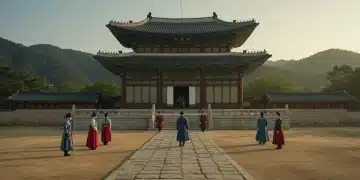
In Korea, renting and wearing Hanbok while visiting historical sites is already a popular activity. This "Hanbok experience" could gain traction globally, with pop-up events and cultural programs in the US allowing people to try on and learn about Hanbok in an experiential way.
In conclusion, the Korean Hanbok Trends for 2026 are just a precursor to a much larger global phenomenon. Its blend of historical depth, aesthetic beauty, and modern adaptability ensures its continued evolution and increasing presence on the world stage. The 15% rise in US popularity is not just a statistic; it’s a vibrant indicator of a cultural movement that is enriching the global fashion tapestry and fostering a deeper connection to Korean heritage.
Embracing the Elegance: Your Guide to Hanbok in 2026
The journey through the Korean Hanbok Trends for 2026 reveals a garment that is both a timeless symbol of Korean heritage and a dynamic force in contemporary fashion. From its historical roots to its current surge in popularity, particularly the noteworthy 15% increase in the US, Hanbok has proven its resilience, adaptability, and enduring appeal.
We’ve witnessed how the pervasive influence of Hallyu, coupled with a global desire for unique cultural expression and sustainable fashion, has propelled Hanbok into the international spotlight. The "Everyday Hanbok," pastel palettes, fusion styles, intricate modern embellishments, and a move towards gender-neutral designs are all testaments to its vibrant evolution. These trends are making Hanbok more accessible and relatable to a diverse audience, transcending its traditional ceremonial confines.
For those in the US captivated by this elegant attire, acquiring a modern Hanbok is easier than ever, with numerous online and offline avenues available. Styling it, whether for a casual outing or a grand event, offers endless possibilities for personal expression, blending traditional grace with contemporary flair.
Looking beyond 2026, the future of Hanbok is bright. Continued innovation in design and materials, its integration into high fashion, and sustained efforts in cultural preservation will ensure its prominent place in the global fashion lexicon. Hanbok is more than just clothing; it’s a narrative woven in fabric, a celebration of identity, and a bridge connecting cultures.
So, as you consider your next fashion statement, why not explore the enchanting world of Korean Hanbok? Embrace its elegance, delve into its history, and become a part of this beautiful cultural movement. The Hanbok is ready to adorn the world, one graceful silhouette at a time.