Beyond Kimchi: 7 Korean Side Dishes Gaining Popularity in American Kitchens in 2025
Anúncios
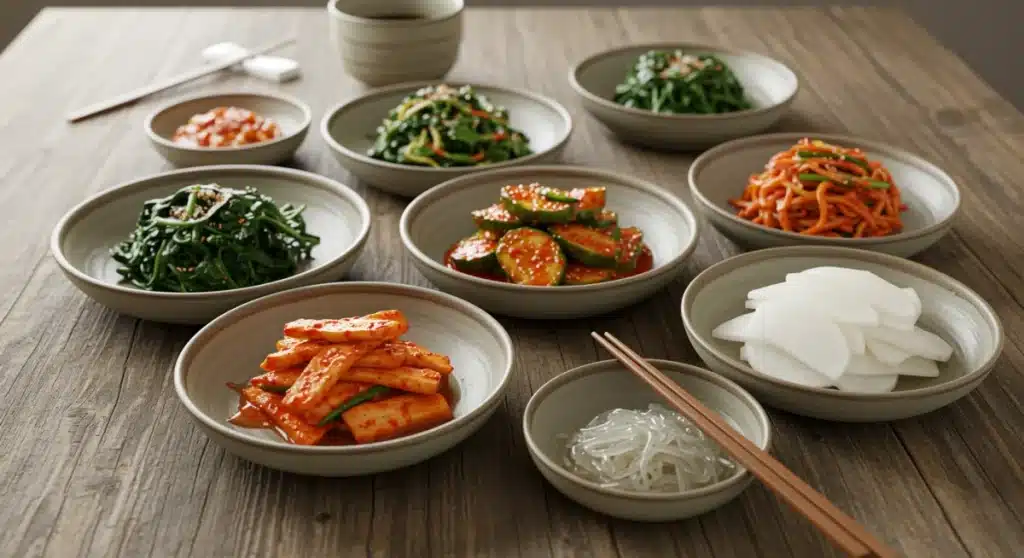
Korean side dishes, known as banchan, are rapidly expanding their influence in American kitchens beyond traditional kimchi by 2025, introducing diverse flavors and textures to new culinary enthusiasts.
Anúncios
The Korean Wave, or Hallyu, has swept across the United States, bringing with it not only K-pop and K-dramas but also a profound appreciation for Korean cuisine. While kimchi has long been the ambassador for Korean food, a new wave of delicious and diverse banchan is emerging, poised to enchant American palates.
Beyond Kimchi: 7 Korean Side Dishes Gaining Popularity in American Kitchens in 2025 delves into these culinary gems, showcasing how they are transcending their traditional roles to become staples in modern American dining.
Anúncios
The rise of banchan: more than just sides
Banchan, the collective term for small side dishes served with a Korean meal, are integral to the dining experience. They offer a symphony of flavors, textures, and colors, designed to complement the main course and provide a balanced meal. Traditionally, banchan are an expression of Korean hospitality and culinary artistry, reflecting regional ingredients and seasonal availability.
In American kitchens, the understanding and appreciation of banchan are evolving. No longer seen merely as accompaniments, these dishes are increasingly recognized for their individual merits, versatility, and potential to stand alone as flavorful snacks or light meals. This shift is fueled by a growing curiosity about global cuisines and a desire for healthy, vibrant food options.
Cultural significance and modern appeal
- Harmonious dining: Banchan create a balanced meal, offering a variety of tastes from spicy to savory, sweet to sour.
- Health benefits: Many banchan are vegetable-based, fermented, or lightly seasoned, aligning with health-conscious eating habits.
- Culinary exploration: They provide an accessible entry point for Americans to explore the depth and breadth of Korean flavors beyond typical restaurant fare.
The modern appeal of banchan lies in their adaptability. They can be prepared in advance, stored for several days, and served as part of a larger meal or as quick, flavorful bites. This convenience, combined with their unique taste profiles, makes them particularly attractive to busy individuals and families seeking to diversify their home cooking.
The increasing visibility of Korean culture through media has also played a crucial role. K-dramas often feature characters enjoying elaborate banchan spreads, sparking interest and inspiring viewers to seek out these dishes. This cultural immersion has created a fertile ground for banchan to flourish in American culinary scenes, moving beyond specialty Korean markets into mainstream grocery stores and restaurant menus.
Japchae: the glass noodle sensation
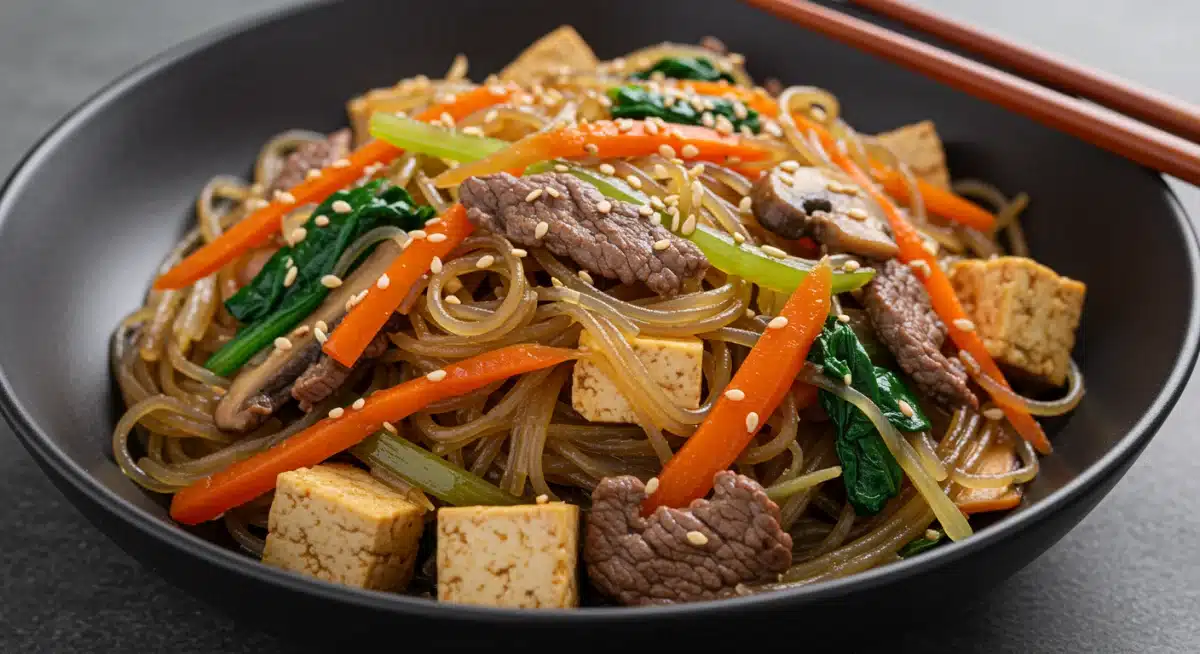
Japchae, a vibrant dish of stir-fried glass noodles (dangmyeon) with vegetables and sometimes meat, is rapidly becoming a household favorite. Its translucent, chewy noodles and colorful array of ingredients make it visually appealing and incredibly satisfying. Unlike many other banchan, Japchae can easily serve as a main course or a substantial side, offering a delightful texture and savory-sweet flavor profile.
The preparation of Japchae involves stir-frying each ingredient separately before combining them, ensuring optimal texture and flavor. This meticulous process results in a dish where every component shines, from the earthy mushrooms to the crisp bell peppers and tender spinach. The noodles absorb the savory sauce, often made with soy sauce, sesame oil, and a touch of sugar, creating a harmonious blend of tastes.
Why Japchae is gaining traction
- Unique texture: The chewy, translucent glass noodles offer a distinct mouthfeel that differentiates it from other noodle dishes.
- Versatility: It can be customized with various vegetables and proteins, making it suitable for different dietary preferences.
- Visually appealing: Its colorful ingredients make it an attractive addition to any meal, perfect for entertaining.
Japchae’s popularity is also boosted by its presence in Korean restaurants across the U.S., where it often ranks among the most ordered side dishes. Its mild yet flavorful profile makes it accessible to those new to Korean cuisine, while its depth keeps seasoned enthusiasts coming back for more. As more Americans discover its charm, Japchae is set to become a staple, offering a delightful alternative to traditional pasta or rice dishes.
The ease of finding dangmyeon in Asian grocery stores and even some mainstream supermarkets further contributes to its rise. Home cooks are increasingly experimenting with Japchae, adapting recipes to their tastes and dietary needs, solidifying its place in the evolving American food landscape. Its ability to be served warm or at room temperature also adds to its convenience, making it ideal for meal prep and gatherings.
Sigeumchi namul: spinach perfection
Sigeumchi namul, a simple yet incredibly flavorful blanched spinach dish seasoned with garlic, sesame oil, and soy sauce, is a testament to the elegance of Korean cooking. This humble banchan offers a refreshing, earthy counterpoint to richer main dishes and is a fantastic way to incorporate more greens into one’s diet. Its delicate preparation highlights the natural sweetness of spinach.
The key to perfect Sigeumchi namul lies in blanching the spinach just enough to tenderize it while retaining its vibrant green color and slight crispness. After blanching, the spinach is squeezed to remove excess water and then gently massaged with the seasonings. This technique ensures the flavors are evenly distributed and absorbed, resulting in a dish that is both subtle and deeply satisfying.
Health and flavor combined
- Nutrient-rich: Spinach is packed with vitamins and minerals, making this a healthy addition to any meal.
- Light and refreshing: Its gentle seasoning and texture provide a palate cleanser.
- Quick preparation: Easy to make, often requiring less than 15 minutes from start to finish.
Sigeumchi namul’s unassuming nature belies its significant impact on a Korean meal. It provides a burst of freshness and a dose of essential nutrients, making it a favorite among health-conscious diners. Its simple ingredient list and straightforward preparation also make it an ideal dish for beginner cooks exploring Korean cuisine.
As American consumers increasingly prioritize healthy and plant-based options, Sigeumchi namul is perfectly positioned to grow in popularity. Its mild flavor makes it highly adaptable, easily paired with a variety of main courses, from grilled meats to vegetarian stews. This versatility, combined with its undeniable health benefits, ensures its continued presence in kitchens seeking delicious and wholesome side dishes.
Oi muchim: spicy cucumber salad
For those who appreciate a refreshing crunch with a spicy kick, Oi Muchim, or Korean spicy cucumber salad, is an irresistible choice. This simple banchan features thinly sliced cucumbers tossed in a vibrant dressing of gochugaru (Korean chili powder), garlic, vinegar, and sesame oil. It’s a perfect dish to awaken the palate and add a lively contrast to any meal.
The preparation of Oi Muchim often involves lightly salting the cucumbers first to draw out excess water, ensuring they remain crisp and don’t dilute the dressing. This step is crucial for achieving the desired texture. The cucumbers are then rinsed and mixed with the spicy, tangy, and slightly sweet dressing, creating a symphony of flavors that is both invigorating and addictive.
The allure of Oi Muchim
- Crisp texture: The cucumbers retain their satisfying crunch, providing a textural contrast.
- Spicy and tangy: The gochugaru and vinegar create a bold flavor profile that excites the taste buds.
- Refreshing: Despite the spice, it’s a cooling and hydrating side dish, especially in warmer weather.
Oi Muchim’s growing appeal in American kitchens can be attributed to the rising popularity of spicy and fermented foods. It offers a milder, yet still flavorful, alternative to kimchi for those who want to explore Korean spice without overwhelming heat. Its quick preparation time and readily available ingredients also make it an attractive option for home cooks.
This cucumber salad is not only delicious but also highly customizable. Some variations include adding other vegetables like onions or carrots, or adjusting the level of spice to personal preference. Its refreshing quality makes it an excellent accompaniment to rich and savory dishes, cutting through fat and cleansing the palate. Expect to see Oi Muchim become a go-to side dish for those seeking a quick, flavorful, and refreshing Korean culinary experience.
Gyeran mari: rolled omelet delight
Gyeran Mari, or Korean rolled omelet, is a beloved banchan that is as delightful to look at as it is to eat. Made by rolling thin layers of egg mixed with finely chopped vegetables like carrots, onions, and scallions, it creates a colorful, savory egg roll that is both comforting and nutritious. It’s a versatile dish, popular in lunchboxes and as a main meal accompaniment.
The art of making Gyeran Mari lies in the rolling technique. As one layer of egg cooks, it’s partially rolled, and then more egg mixture is added to continue the roll, building up layers. This process results in a fluffy, multi-layered omelet that can be sliced into attractive bite-sized pieces. The addition of vegetables not only adds color and texture but also boosts the nutritional value of the dish.
Why Gyeran Mari is a family favorite
- Kid-friendly: Its mild flavor and soft texture make it a hit with children and adults alike.
- Nutritious: A good source of protein and vegetables, it’s a healthy addition to any meal.
- Visually appealing: The colorful layers make it an attractive dish for any table setting.
Gyeran Mari’s popularity stems from its universal appeal. Eggs are a staple in American diets, and this Korean twist on an omelet offers a fresh and exciting way to enjoy them. It’s often served plain, but can also be dipped in soy sauce or a sweet chili sauce, further enhancing its versatility. Its mild flavor profile also makes it an excellent entry point for those new to Korean cuisine.
As Americans seek convenient yet wholesome meal options, Gyeran Mari fits the bill perfectly. It can be prepared in advance, enjoyed cold or warm, and makes an excellent addition to packed lunches or quick breakfasts. Its adaptability and comforting nature ensure its continued rise in popularity, becoming a staple in American homes looking for easy and delicious Korean-inspired dishes.
Eomuk bokkeum: stir-fried fish cakes
Eomuk Bokkeum, a savory stir-fried fish cake dish, is a common and comforting banchan that is quickly gaining recognition in American kitchens. Made from Korean fish cakes (eomuk) stir-fried with vegetables like onions and carrots in a sweet and savory sauce, it’s a delightful dish that offers a unique texture and flavor profile. It’s particularly popular in street food and home cooking.
Korean fish cakes come in various shapes and sizes, often made from ground fish paste. When stir-fried, they absorb the flavors of the sauce, which typically includes soy sauce, garlic, gochugaru, and a touch of sugar or corn syrup. The result is a slightly chewy, savory, and subtly sweet dish that pairs wonderfully with rice and other banchan. It’s an excellent way to introduce seafood flavors in an accessible format.
The appeal of Eomuk Bokkeum
- Unique texture: The chewy fish cakes offer a satisfying bite.
- Savory and sweet: A balanced flavor profile that is broadly appealing.
- Quick and easy: Can be prepared relatively quickly, making it a convenient weeknight side dish.
Eomuk Bokkeum’s growing popularity in the U.S. is partly due to the increasing availability of Korean fish cakes in Asian markets and online. Its comforting taste and ease of preparation make it an attractive option for those looking to expand their culinary repertoire. It’s also a common component of tteokbokki, another popular Korean street food, which further familiarizes Americans with eomuk.
This dish is particularly appealing for its versatility; it can be made spicier or milder depending on preference, and other vegetables can be added to enhance its nutritional value. As Americans explore more diverse seafood options and comfort foods, Eomuk Bokkeum is poised to become a beloved banchan, offering a taste of authentic Korean street food culture right at home.
Kongnamul muchim: seasoned soybean sprouts
Kongnamul Muchim, or seasoned soybean sprouts, is a classic banchan celebrated for its refreshing crunch and delicate flavor. This simple dish involves blanching soybean sprouts and then tossing them with a light dressing of sesame oil, garlic, soy sauce, and sometimes a hint of gochugaru. It’s a staple in Korean cuisine, offering a crisp texture and a clean, earthy taste that complements any meal.
The key to successful Kongnamul Muchim is to blanch the sprouts just until they are tender-crisp, ensuring they retain their refreshing snap. Overcooking can make them mushy, losing their characteristic texture. After blanching, they are quickly cooled and then gently mixed with the seasonings, allowing the delicate flavors to meld without overpowering the sprouts’ natural taste.
Why Kongnamul Muchim is a healthy choice
- Crunchy texture: Provides a satisfying textural contrast to softer dishes.
- Nutrient-dense: Soybean sprouts are rich in vitamins and minerals, particularly vitamin C and amino acids.
- Light and refreshing: Offers a clean, earthy flavor that balances richer dishes.
Kongnamul Muchim’s appeal in American kitchens is growing as consumers increasingly seek out healthy, plant-based options that are both flavorful and easy to prepare. Its mild yet distinctive taste makes it a versatile side dish that can be paired with a wide range of main courses, from spicy stews to grilled meats. The availability of soybean sprouts in most grocery stores also makes it highly accessible for home cooks.
Beyond its culinary attributes, Kongnamul Muchim is valued for its health benefits. Soybean sprouts are known for their high nutritional content, contributing to a well-balanced diet. As awareness of Korean fermented foods and healthy eating continues to rise, this simple yet potent banchan is set to become a more frequent sight on American dinner tables, bringing its unique crunch and subtle flavors.
Myulchi bokkeum: sweet and savory anchovies
Myulchi Bokkeum, or stir-fried anchovies, is a beloved Korean banchan that might sound intimidating to some but is incredibly delicious and addictive. Tiny dried anchovies are stir-fried until crispy and then coated in a sweet, savory, and slightly spicy glaze made with soy sauce, sugar or corn syrup, garlic, and sometimes gochugaru. It’s a power-packed side dish, rich in umami and nutrients.
The anchovies used for Myulchi Bokkeum are typically small and dried, and when cooked, they become delightfully crunchy. The glaze caramelizes around them, creating a sticky, irresistible coating. This dish is a fantastic source of calcium and healthy fats, making it a nutritious addition to any meal. Its intense flavor means a small portion goes a long way in enhancing the overall dining experience.
The unique appeal of Myulchi Bokkeum
- Umami bomb: The anchovies provide a deep, savory flavor that enhances any meal.
- Crunchy texture: Offers a satisfying crispness that contrasts with softer foods.
- Nutrient-rich: An excellent source of calcium and omega-3 fatty acids.
Myulchi Bokkeum’s growing popularity in the U.S. reflects a broader trend of adventurous eaters willing to explore new flavors and ingredients. While dried anchovies might be unfamiliar to some, the sweet and savory glaze makes them incredibly palatable and enjoyable. Its ability to be stored for extended periods also makes it a convenient banchan for meal prepping.
This dish is often served alongside rice, allowing the intense flavors of the anchovies to complement the plainness of the rice. As more Americans discover the joys of umami-rich foods and the nutritional benefits of small fish, Myulchi Bokkeum is set to carve out its niche as a distinctive and cherished Korean side dish. Its unique combination of texture and flavor makes it a memorable culinary experience.
| Side Dish | Key Characteristic |
|---|---|
| Japchae | Sweet and savory glass noodles with vegetables, versatile as a main or side. |
| Sigeumchi Namul | Blanched spinach seasoned with garlic and sesame oil, light and healthy. |
| Oi Muchim | Spicy and refreshing cucumber salad with a tangy kick. |
| Gyeran Mari | Colorful rolled omelet with vegetables, a nutritious and kid-friendly option. |
Frequently asked questions about Korean side dishes
Banchan refers to the small, assorted side dishes served along with cooked rice in Korean cuisine. They are an essential part of a traditional Korean meal, offering a variety of flavors, textures, and colors to complement the main course and provide a balanced dining experience.
No, not all Korean side dishes are spicy. While many, like kimchi and oi muchim, feature a spicy kick, there are numerous mild options such as sigeumchi namul (spinach), gyeran mari (rolled omelet), and japchae (glass noodles), offering a diverse range of flavors to suit all palates.
Yes, many banchan are ideal for meal preparation as they can be made in advance and stored in the refrigerator for several days. This makes them convenient for busy individuals and families, allowing for quick and easy access to flavorful side dishes throughout the week.
Most ingredients for these popular Korean side dishes can be found in Asian grocery stores. Many mainstream supermarkets are also expanding their international aisles to include items like glass noodles, gochugaru, and various types of Korean fish cakes, making them more accessible than ever.
Generally, many Korean side dishes are very healthy. They often feature a high proportion of vegetables, are lightly seasoned, and some, like fermented kimchi, offer probiotic benefits. Dishes like sigeumchi namul and kongnamul muchim are particularly rich in vitamins and minerals, contributing to a balanced diet.
Conclusion
The culinary landscape in American kitchens is undergoing a delightful transformation, with Korean cuisine leading the charge. While kimchi remains an iconic staple, the spotlight is now broadening to encompass a captivating array of other banchan. From the chewy allure of Japchae to the refreshing crunch of Oi Muchim, and the comforting layers of Gyeran Mari, these seven Korean side dishes are not just gaining popularity; they are defining new trends in home cooking and dining experiences. Their versatility, health benefits, and vibrant flavors make them indispensable additions to any meal, inviting more Americans to explore the rich and diverse world of Korean gastronomy beyond the familiar. As we move into 2025, these banchan are poised to become household names, enriching our tables and expanding our palates with their unique charm and delicious appeal.