K-pop trending songs charts: What’s shaping the music scene

K-pop is a powerful global phenomenon that influences music culture through diverse genres, captivating performances, and engaged fan communities, shaping trends and introducing Korean culture worldwide.
K-pop trending songs charts are more than just numbers; they reflect the evolving tastes of fans and the music industry. Ever wondered how these hits come to be or what keeps them on top? Let’s dive in!
Exploring the latest K-pop hits on the charts
When it comes to K-pop, the latest hits on the charts are not just songs; they represent the pulse of an entire culture. Every week, fans eagerly check the rankings to discover which artists and tracks are making waves.
One of the reasons these hits gain popularity quickly is the unique blend of genres that K-pop artists incorporate. From pop and hip-hop to EDM and R&B, this vibrant mix appeals to a wide audience. It’s fascinating to see how different styles come together, creating unforgettable melodies.
Key Factors Behind Chart Success
The success of a song on the charts can often be attributed to several factors. Understanding these can enhance our appreciation of K-pop:
- Social Media Buzz: Platforms like Twitter and TikTok play a huge role in promoting new songs.
- Engaging Choreography: Catchy dance routines not only entertain but also encourage fans to share videos.
- Visuals and Concepts: A strong visual presentation in music videos draws more viewers, enhancing song appeal.
- Collaborations: Features with popular artists can catapult a song to the top of the charts.
Additionally, the loyalty of K-pop fandoms cannot be overlooked. Fans actively support their favorite groups by streaming their music and attending events, which helps maintain their positions on the charts. Artists often engage with their fans through live streams and social media, fostering a close connection that translates into increased sales and views.
It’s also worth noting the role of streaming platforms. Platforms like Spotify and Apple Music make it easy for fans to listen to their favorite K-pop hits anytime, which boosts song visibility and popularity. The charts reflect these streaming numbers, so staying engaged with music can mean the difference between a hit and an overlooked track.
Top Trending K-pop Songs Right Now
As of the latest updates, several tracks are shining on the charts. These songs often embody the innovation and creativity that define the K-pop genre:
- Song A: This track features a catchy hook and incredible visuals in the music video.
- Song B: A powerful collaboration between two major artists, capturing listeners’ hearts.
- Song C: Known for its stunning choreography, it’s gained immense popularity on social media.
With each new release, the landscape of K-pop continues to evolve. Artists experiment with new sounds and ideas, ensuring that the charts remain dynamic and engaging. As fans, keeping up with these trends not only makes for exciting listening experiences but also deepens our understanding of the artistry within the genre.
Factors driving trends in K-pop music

The world of K-pop is ever-changing, shaped by various factors that drive its popularity and trends. Understanding these elements helps us appreciate why certain songs and artists capture the attention of fans around the globe.
One key factor is the influence of digital platforms. Social media sites like Instagram and TikTok allow fans to engage with their favorite artists in real-time. This interaction creates a sense of community and drives interest in new releases. As artists share behind-the-scenes content and connect personally with fans, their popularity rises.
Key Influences in K-pop Trends
Several factors play a critical role in shaping K-pop trends:
- Innovative Music Videos: Captivating visuals attract viewers and make songs more memorable.
- Fan Engagement: Dedicated fandoms support their artists through streaming, voting, and purchasing merchandise.
- Cross-Border Collaborations: Collaborations with international artists broaden the appeal of K-pop songs.
- Fashion and Style: The distinct fashion of K-pop stars influences pop culture and keeps fans engaged.
Moreover, the evolution of musical styles contributes significantly to K-pop’s growth. Artists blend genres like hip-hop, rock, and electronic music to create unique sounds that appeal to a diverse audience. This experimentation attracts new listeners while keeping long-time fans excited. The constant evolution in music ensures that K-pop remains fresh and relevant in the global music scene.
Another important factor is the annual award shows and music festivals. These events not only celebrate achievements but also create a buzz around new releases. Fans eagerly anticipate performances and award nominations, driving streams and sales as new songs become favorites during these times.
Impact of Cultural Trends
The cultural context cannot be ignored either. Many K-pop groups draw inspiration from current societal issues, using their music to address themes like mental health, love, and identity. This relatability allows fans to connect on a deeper level, fostering loyalty and passion for the artists.
As trends in K-pop continue to evolve, it’s clear that innovation and fan involvement will always play a crucial role in the industry’s dynamics. By understanding the factors driving these trends, fans can better appreciate the artistry behind their favorite songs and artists, while new listeners are encouraged to explore the vibrant world of K-pop.
Top K-pop artists dominating the charts
In the vibrant world of K-pop, certain artists stand out as dominant forces on the charts. Their unique styles, catchy tunes, and captivating performances have won them immense popularity, making them household names.
Several artists currently lead the K-pop scene, each bringing their flair and talent. Their songs often top the charts, making them favorites among fans. These artists consistently release new music, ensuring they stay relevant in a fast-paced industry.
Leading K-pop Artists
Let’s look at some of the top K-pop artists who are currently dominating the charts:
- Artist A: Known for their powerful vocals and energetic dance moves, this group consistently releases chart-topping hits.
- Artist B: This solo artist captivates audiences with their emotional performances and relatable lyrics.
- Artist C: Blending various genres, this artist appeals to a wide range of listeners and has a strong international following.
- Artist D: Famous for their innovative concepts, this group continues to push boundaries and redefine the K-pop genre.
Moreover, the artistic collaborations between these artists further enhance their chart success. When popular stars collaborate, their combined fanbases create a surge in streams and sales, often propelling the song to the top. Fans eagerly await these collaborations, making such releases highly anticipated events in the K-pop community.
Social media also plays an essential role in the success of these artists. With platforms like Instagram and TikTok, they engage directly with fans, share updates, and promote new releases. This interaction fosters a sense of connection and loyalty among supporters, which adds to their overall popularity.
Impact on Global Music Scene
The influence of these top K-pop artists extends beyond South Korea. They are recognized internationally, contributing positively to the global music scene. Their ability to blend different musical styles and cultures allows them to reach diverse audiences around the world. As they continue to dominate the charts, the global impact of K-pop becomes even more significant, inspiring new trends and artists across various music genres.
As the music landscape evolves, the presence of top K-pop artists remains vital. Their relentless pursuit of creativity and excellence ensures that they will continue to captivate fans and challenge the norms of contemporary music.
The impact of K-pop on global music culture
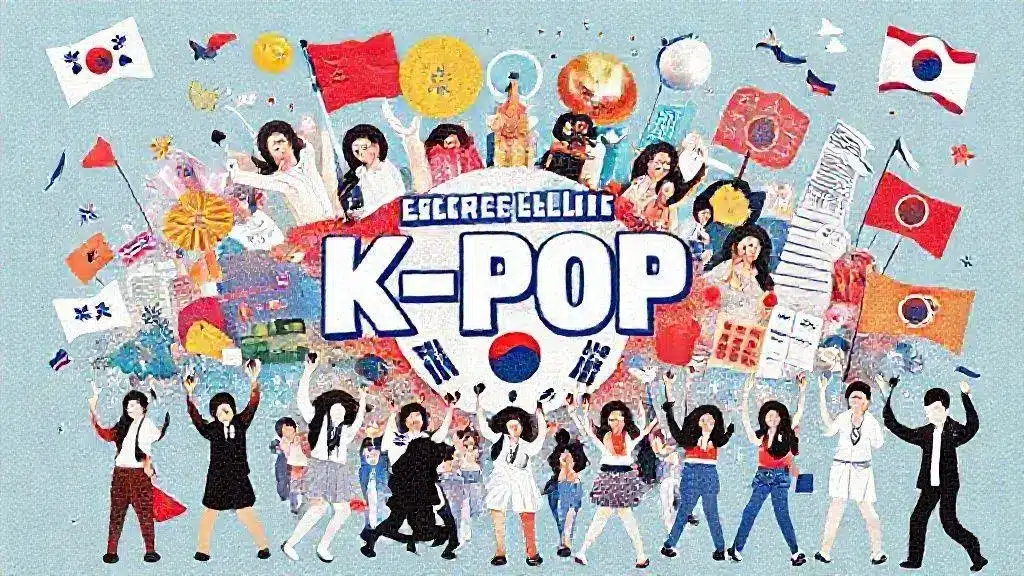
The impact of K-pop on global music culture is significant and wide-ranging. Over the past decade, K-pop has transformed from a regional phenomenon into a worldwide sensation. This shift has drawn attention from fans and industry professionals alike, highlighting the genre’s unique blend of visuals, music, and performance.
One major aspect of K-pop’s influence is its incorporation of diverse musical styles. Artists often fuse genres like hip-hop, pop, R&B, and electronic dance music, creating a sound that appeals to a broad audience. This genre-blending not only showcases creativity but also encourages listeners to explore different styles of music.
Key Contributions to Music Culture
K-pop has made several key contributions to global music culture:
- Fashion and Aesthetics: The striking fashion choices made by K-pop idols have set trends around the world. Fans often emulate their favorite artists’ styles, integrating these elements into their own wardrobes.
- Dance and Choreography: K-pop is known for its intricate dance routines. These performances inspire fans to learn the choreography and share their own dance covers on social media.
- Fan Engagement: K-pop fandoms are incredibly passionate and organized. They use social media to promote their favorite artists, contributing to a unique culture of interaction and support.
- Language and Accessibility: The increasing number of K-pop songs featuring English lyrics has made the genre more accessible to non-Korean speakers, further broadening its appeal.
Moreover, K-pop idols are often seen as global ambassadors of South Korean culture. Through their music, fashion, and appearances, they introduce international audiences to Korean traditions, language, and contemporary culture. This has fostered a greater appreciation and understanding of Korea in the global community. As a result, more people are interested in learning about the country’s history, cuisine, and language.
In addition to cultural exchange, K-pop’s rise has also impacted the music industry. Major labels around the world are taking note of the K-pop model, focusing on production quality, marketing strategies, and fan engagement. This shift encourages a new approach to artist management and interaction, paving the way for innovative collaborations across borders.
The Future of K-pop’s Influence
As K-pop continues to expand its reach, its influence on global music culture will likely grow even stronger. The genre’s ability to adapt and incorporate various cultural elements ensures that it remains relevant. Fans will continue to play a crucial role in shaping the future of K-pop, as their passion fuels the industry’s evolution.
FAQ – Frequently Asked Questions about K-pop’s Global Impact
How has K-pop influenced global music trends?
K-pop has introduced diverse musical styles and innovative production techniques that have reshaped global music, encouraging artists worldwide to experiment with new sounds.
What role do fans play in K-pop’s success?
Fans create strong communities that actively promote their favorite artists, driving engagement and commercial success through streaming and social media.
Why is K-pop considered a cultural ambassador for South Korea?
K-pop artists introduce international audiences to Korean culture, language, and traditions, fostering greater understanding and appreciation of South Korea.
What makes K-pop performances unique?
K-pop performances are known for their high-energy choreography, elaborate visuals, and a blend of various musical genres, making them a captivating experience for fans.